Animals may have evolved 200 million years earlier than we thought
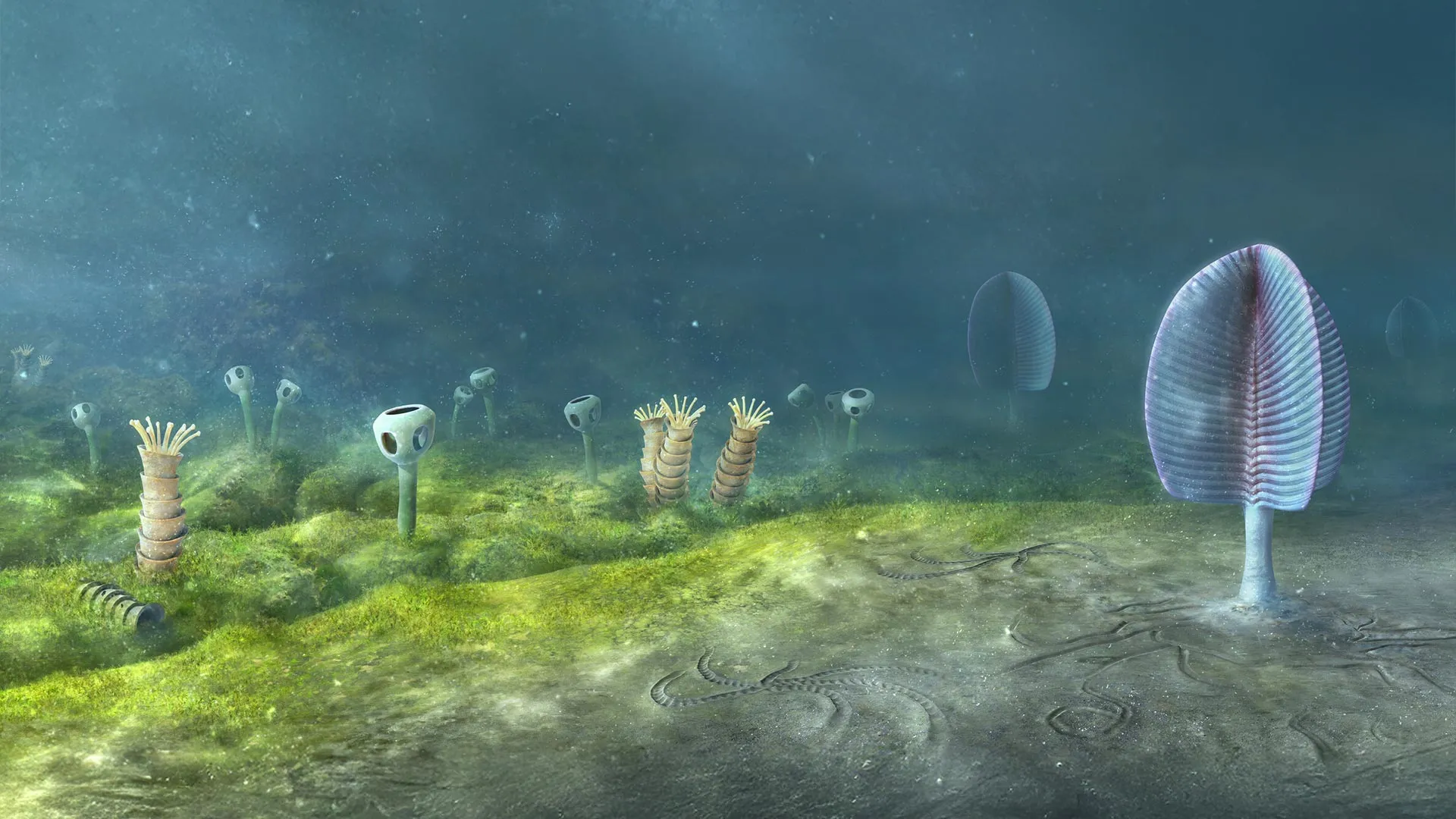
An Oxford-led international study questions a common way scientists have estimated when animals first evolved. Its findings suggest animals may have appeared as much as 200 million years before clear animal fossils are found.
The debate centers on the Weng’an fossil deposit in China, about 590 million years old. Researchers had treated the lack of identifiable animals there as evidence that animal life came later.
The team examined more than 140 samples from Mongolia’s Kheseen Biota using scanning electron microscopy. Although the fossils were exceptionally preserved, none could be confidently identified as an animal.
Kheseen is more than 40 million years younger than Weng’an, and animals are known from other places by that time. The comparison suggests that excellent preservation does not guarantee animal remains will be present.
The researchers say animals may have lived in environments unlike those captured at Kheseen, or that local fossil-forming conditions failed to preserve them. The results may change how scientists interpret the timing of animal origins, but the fossils do not establish exactly when animals first appeared.
Key points
- The study challenges using Weng’an’s lack of animal fossils to date animal origins.
- Researchers assessed more than 140 exceptionally preserved samples from Mongolia’s Kheseen Biota.
- Different habitats or fossil-forming conditions may explain why animal remains are absent.