Tropical trees built homes for ants. Wasps are taking them over
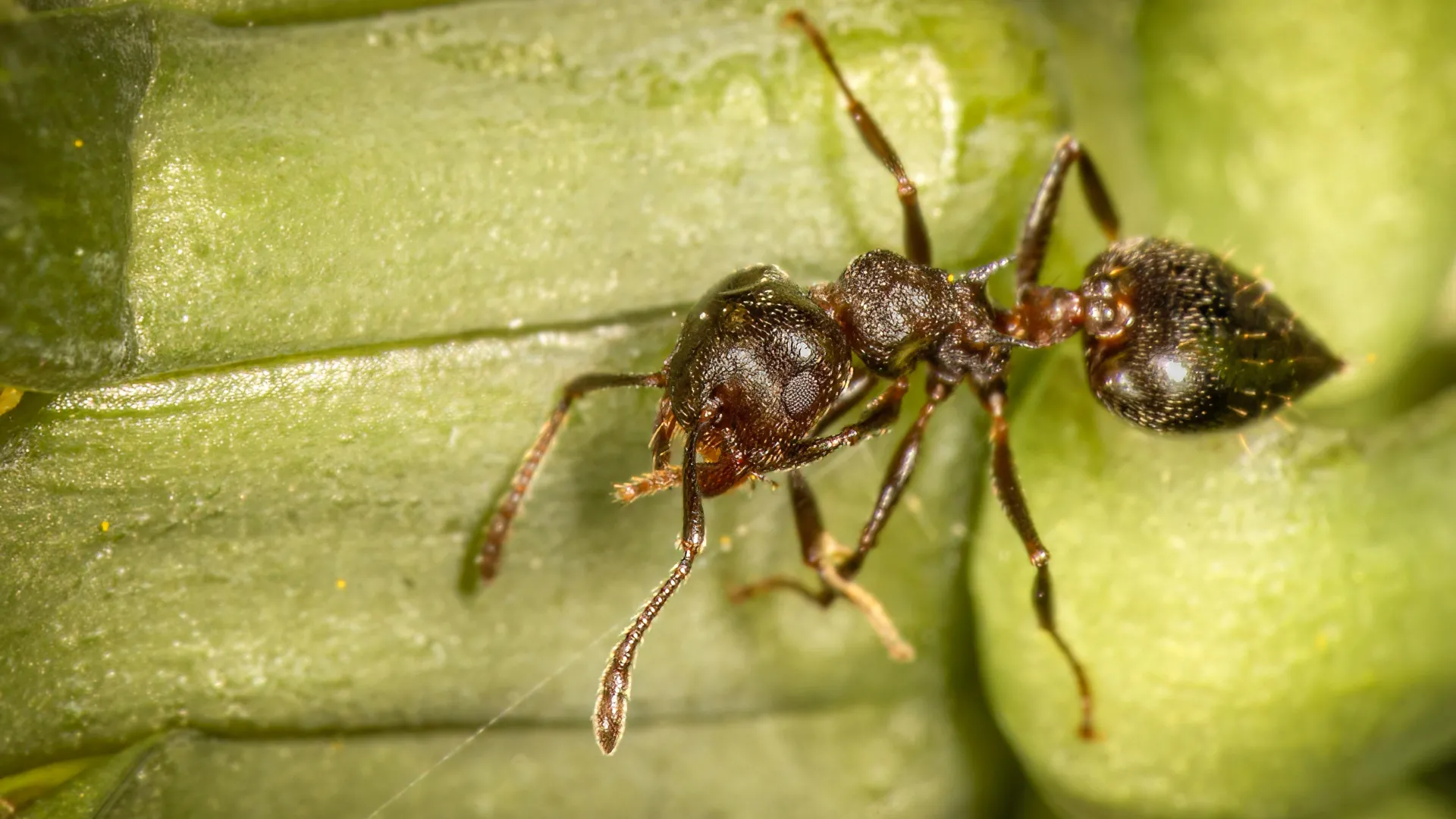
Scientists studying the tropical forests of Malaysian Borneo have discovered an unexpected shift in one of the region's long-running ecological partnerships. An international team from Queen Mary University of London, the Royal Botanic Gardens, Kew, the Biology Center of the Czech Academy of Sciences, and other institutions found that predatory wasps are increasingly occupying the hollow stems of the tropical plant Macaranga pearsonii.
The findings, published in PeerJ, reveal that the wasps are moving into structures that evolved specifically to shelter protective ant colonies.
For at least 10 million years, these "ant-plants" have maintained a close partnership with ants. The plants produce hollow chambers where ants can live and also supply them with nutritious food bodies. In exchange, the ants aggressively protect their host plants from leaf-eating insects such as caterpillars.
Now, researchers have found evidence that this ancient relationship is being disrupted.
The team examined young Macaranga pearsonii trees growing in both logged forests and oil palm plantations. When researchers dissected the plants, they discovered that a species of predatory wasp was using the hollow chambers for an entirely different purpose.
"While surveying these ant-plants, I noticed that many stems had been hollowed out in an unusual way. When we opened them, they were full of flies being eaten alive by wasp larvae. Adult wasps hunt and paralyze the flies, then store them inside the plant's cavities as food for their young."
Rather than serving as homes for protective ants, some of the plant chambers had effectively become nurseries stocked with prey for developing wasp larvae.
The researchers also found a strong connection between wasp occupation and human-altered environments. Plants growing in oil palm plantations were much more likely to contain wasps than those found in logged forest.
Trees occupied by wasps also consistently had much smaller ant colonies. This pattern raises the possibility that the wasps are displacing the ants completely, although the researchers say experiments would be necessary to confirm whether that is actually happening.
"Human activities are transforming habitats worldwide, and this kind of shift in species interactions is exactly what we expect to see. We don't yet know whether this wasp is native or introduced, but its spread is clearly linked to disturbed landscapes."
The findings could have implications beyond the ants, wasps, and individual plants involved.
Macaranga species are often among the first plants to establish themselves in areas that have been cleared or damaged. If losing their ant defenders makes these plants less healthy, the effects could potentially influence the broader process of forest regeneration.
Dive deeper
- Scientists studying the tropical forests of Malaysian Borneo have discovered an unexpected shift in one of the region's long-running ecological partnerships. An international team from Queen Mary University of London, the Royal Botanic Gard
- The findings, published in PeerJ, reveal that the wasps are moving into structures that evolved specifically to shelter protective ant colonies.
- For at least 10 million years, these "ant-plants" have maintained a close partnership with ants. The plants produce hollow chambers where ants can live and also supply them with nutritious food bodies. In exchange, the ants aggressively pro
- Now, researchers have found evidence that this ancient relationship is being disrupted.
- The team examined young Macaranga pearsonii trees growing in both logged forests and oil palm plantations. When researchers dissected the plants, they discovered that a species of predatory wasp was using the hollow chambers for an entirely