New Zealand greenhouse gas levels hit record highs threatening catastrophic glacier melts
A three-yearly assessment by government agencies says New Zealand faces more frequent and severe heatwaves, damaging storms and cyclones as its climate warms.
The country’s average annual temperature is 1.36C higher than in 1909, when records began. Seven of the ten warmest years occurred in the past decade, the report says.
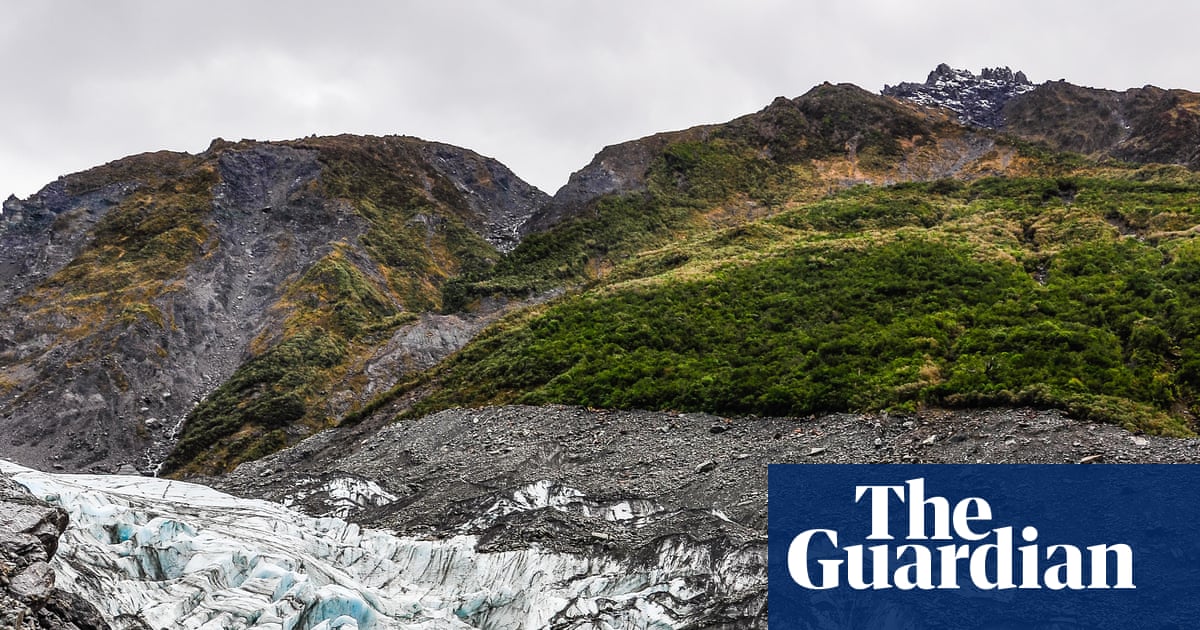
New Zealand’s approximately 3,000 glaciers have lost volume, falling from 56 cubic kilometres in 1997 to 30 in 2023. Carbon dioxide has risen 30% since local monitoring started in 1972, while methane reached a record concentration in 2025.
Heatwaves are expected to become more frequent, longer and stronger. The report also projects more days above 25C by 2050, increasing health risks including illness and psychological distress.
The report was produced by the Ministry for Cities, Environment, Regions and Transport and Stats NZ. It follows deadly and costly recent disasters, including Cyclone Gabrielle and the 2023 Auckland floods; the assessment brings together findings across five environmental areas.
Key points
- Temperatures have risen 1.36C since 1909, and seven of the ten warmest years came in the past decade.
- Glacier volume fell from 56 cubic kilometres in 1997 to 30 in 2023.
- Heatwaves and days above 25C are expected to increase, raising health concerns.