As election looms, Supreme Court reconvenes to new wave of Trump cases
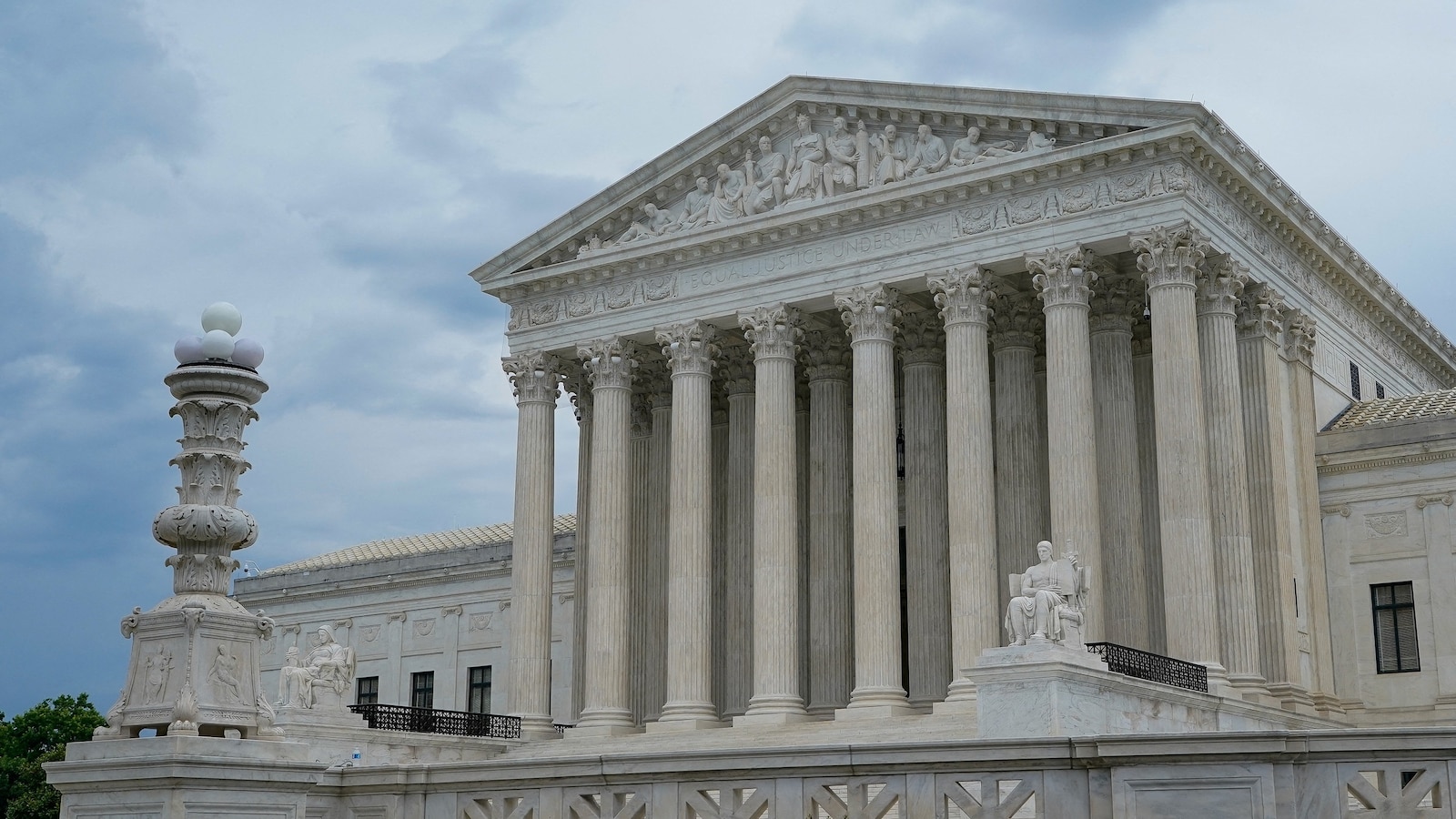
The U.S. Supreme Court returns Monday, a day before the midterm elections, to a term featuring new appeals involving President Donald Trump and possible legal fights over the 2026 election results.
Among the cases ahead: whether states may prohibit AR-15-style weapons, require citizenship documents for federal voter registration, and exclude religious schools from public funding because of discrimination against LGBTQ+ families. The justices may also consider classroom displays of the Ten Commandments, protections for providers who send abortion pills across state lines, and oversight of prediction markets.
Trump is seeking to overturn an $83 million judgment in E. Jean Carroll’s defamation case. He also wants to revive a conspiracy lawsuit against Hillary Clinton and the Democratic National Committee, and pursue defamation claims against CNN related to the 2020 election.
The court’s conservative majority faces public skepticism: a recent Marquette University poll found many Americans see politics as the main driver of justices’ decisions and believe the court often favors Trump. Some legal scholars and justices dispute that view.
Last term, the court rejected several major Trump initiatives, including his global tariffs and birthright citizenship policies. Justice Elena Kagan has argued that claims the court simply backs the administration are unfair; the coming rulings will renew scrutiny of its independence.
Key points
- The new term includes disputes over weapons, voter registration, religious schools and abortion medication.
- Trump is asking the justices to take up several personal legal appeals.
- Public doubts about the court’s political independence persist despite its rulings against Trump last term.