

Wolves returning across Europe: why everyone is not happy in the Netherlands
A growing debate in the Netherlands
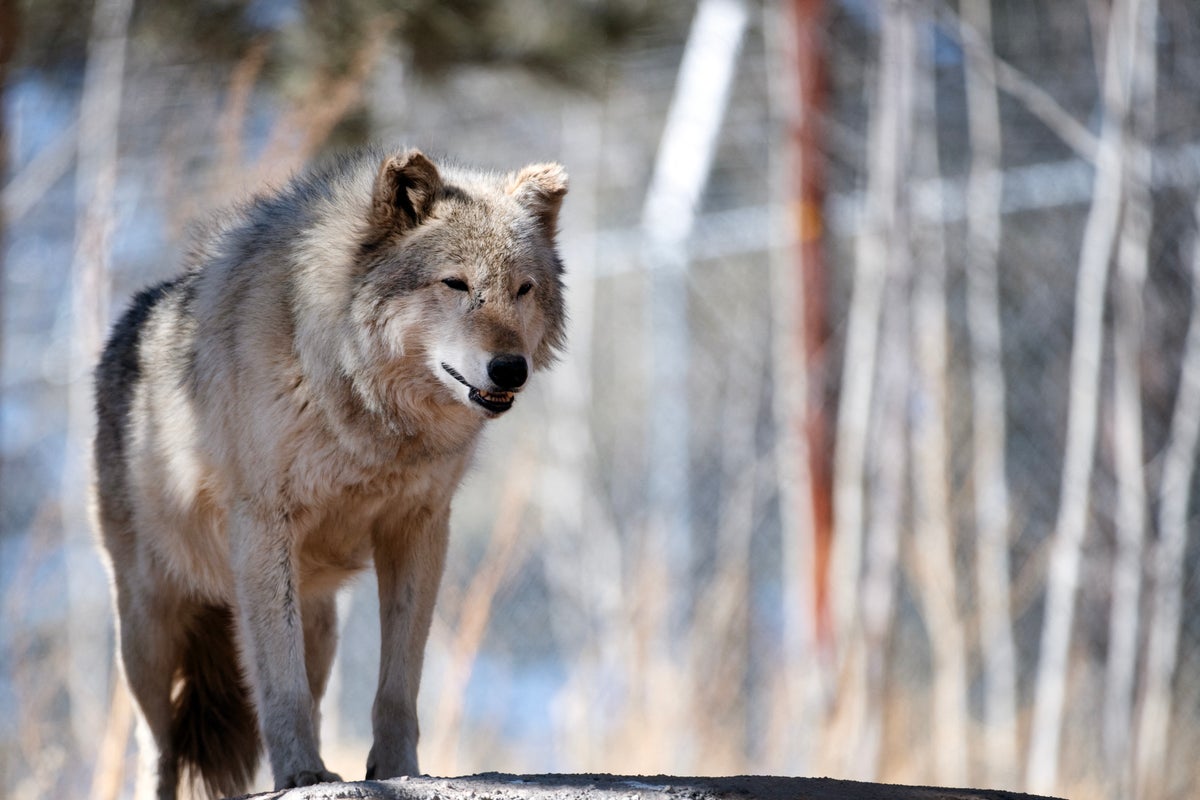
Wolves returned to the Netherlands after being hunted to extinction roughly two centuries ago. Their comeback was first welcomed as a conservation success, but the country’s small wolf population has become a source of dispute.
The Netherlands has 18 million people and a major agricultural sector. The government says it wants to permit culling of some wolves to reduce the danger of attacks on livestock and people; provincial governments must still help shape the policy.
Across Europe, wolf numbers have nearly doubled in a decade, according to the European Commission. Its 2023 estimate was about 20,300 animals, with breeding packs in 23 countries.
Farmers face losses and uncertainty
Sheep farmer Robertjan Feijen began raising animals in the country’s northeast about a decade ago, when wolves were not a nearby concern. He said seeing lambs he had helped deliver later injured or killed was deeply distressing.
Feijen said subsidies for measures such as electric fencing do not cover his losses. He now keeps many sheep in his barn. The EcoJust consultancy estimates that at least 41 wolves have been killed illegally in the Netherlands since their return.
Residents and parks report concerns
Photographer Liesbeth van Asselt, who lives near Epe, wears a red whistle when walking her dog, Raico, as a precaution. Reports of wolves attacking dogs are rare, but wolves sometimes use sandy roads near her garden.
At De Hoge Veluwe National Park, manager Leidekker said wolves had killed the park’s mouflons, and pine trees were growing in their place. The park sought permission to use paintball guns to deter a wolf that had attacked a jogger and approached visitors, but the animal had left by the time approval came.
A wolf nicknamed Bram by some locals was blamed for biting a child near Utrecht and was said to have menaced joggers and cyclists. The issue has added to existing political divisions in the Netherlands.
Conservation arguments continue
Conservation and animal welfare groups have welcomed the wolves’ return. Experts say wolves can help ecosystems by keeping large animals such as deer moving, reducing the risk of overgrazing.
State Secretary for Agriculture, Fisheries and Nature Silvio Erkens described the proposed culling policy as an important step, citing serious incidents involving wolves. Despite competition for space, Jansman said wolves have shown they can live in the Dutch landscape.
Key points
- The Netherlands has fewer than 150 wolves in around 15 packs.
- The government plans to allow some wolf culling, pending talks with provincial governments.
- Europe had an estimated 20,300 wolves in 2023, with packs in 23 countries.