

Loki’s 12 episodes make a disney sci-fi masterpiece, perfect from start to finish
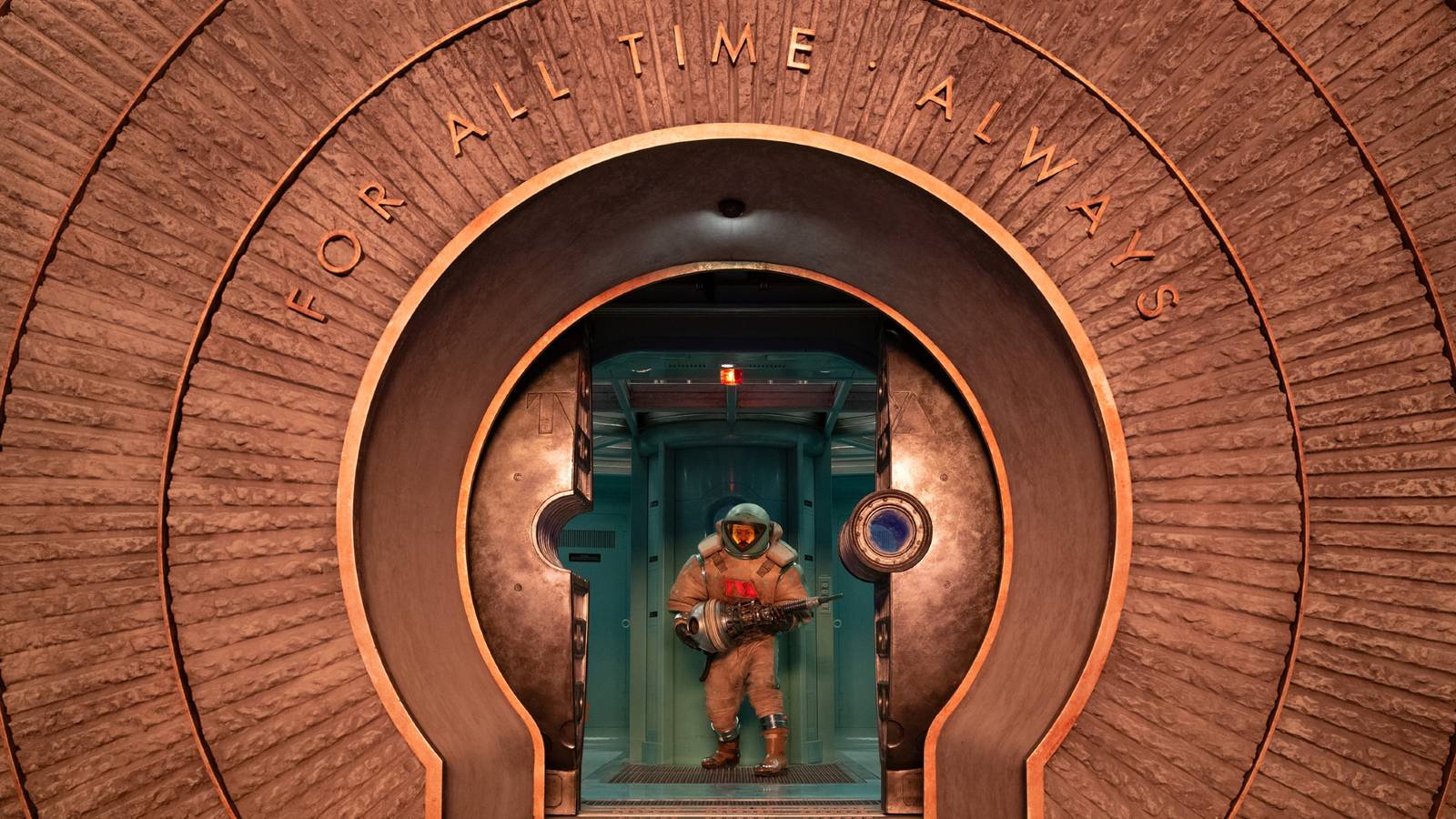
A distinctive sci-fi story
Loki builds its story around familiar science-fiction ideas, including time travel, time loops, multiverses and temporal technology. The series uses those elements to explore the genre in an original way within the Marvel Cinematic Universe, while giving its characters room to develop.
Its 12 episodes, spread across two seasons, keep their focus on the main plot, its characters or the show’s science-fiction themes. The result is a series that links to the larger MCU without losing its identity as a story of its own.
Kang plans changed
Loki initially helped introduce Kang the Conqueror as a major threat in the MCU’s Multiverse Saga. The planned film Avengers: The Kang Dynasty was later renamed Avengers: Doomsday after Marvel pivoted from Kang to Doctor Doom following Jonathan Majors’ assault charges.
The series still gives Kang variants, including He Who Remains and Victor Timely, story arcs that conclude within Loki. Its finale also shows the TVA monitoring other variants, leaving room for future developments.
A story that still fits
The change in Marvel’s plans did not erase Loki’s central story. The title character ends the series overseeing branching timelines as the god of the multiverse, a development later incorporated into Avengers: Doomsday’s narrative.
Loki also draws on the time-travel rules established in Avengers: Endgame: changing the past creates a branching timeline rather than replacing the original. That framework lets the series explore variants, loops and timelines while keeping the story’s rules clear.
Key points
- Loki ran for 12 episodes across two seasons released in 2021 and 2023.
- The series combines time travel and multiversal ideas with character-focused storytelling.
- Its Kang-related arcs conclude even after Marvel shifted its plans toward Doctor Doom.
- Loki’s finale positions its title character as the overseer of branching timelines.