

Five takeaways on Donald Trump’s sweeping tariffs and what comes next
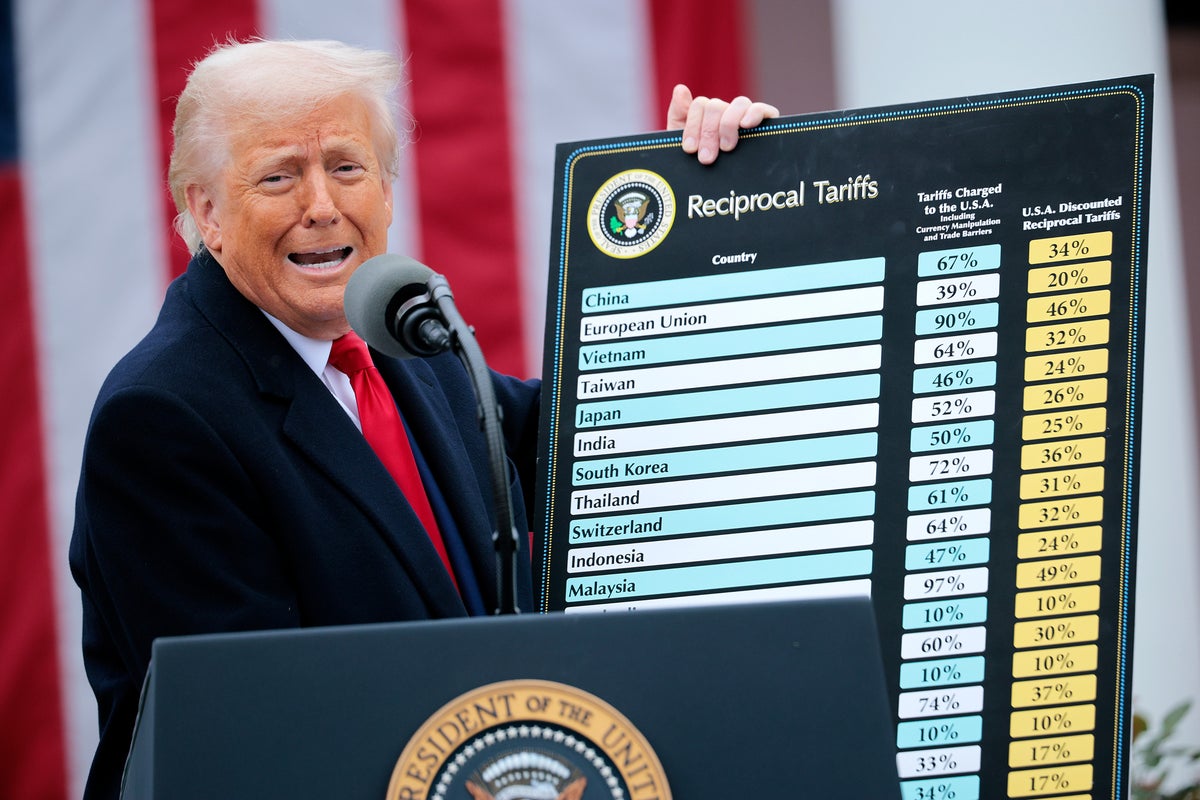
China faces the highest proposed rate
The administration did not add the new duty to an earlier round imposed in July over what Washington described as a failure to curb forced labour. Trade Representative Jamieson Greer said the rate could reach 40% if the countries do not extend their trade truce, which expires January 10. China said it reserved the right to respond, while also saying the two governments remain in close communication about extending the truce.
Rates hinge on trade negotiations
India would face a 17% tariff if it reaches a trade agreement with Washington, but 25% if talks fail. Vietnam’s rate would be capped at 20% under a deal and rise to 35% if negotiations do not succeed.
The United States also proposed new duties on Brazilian goods, including a 10% tariff on finished aircraft. Washington said Brazil had not addressed what it called unreasonable trade practices.
Other partners get tariff caps
Proposed rates for goods from Cambodia, Indonesia, Malaysia, Thailand and Bangladesh would be capped at 18%. Japan, South Korea, Taiwan, the European Union and Switzerland would have a 15% cap, including existing most-favored-nation duties. Greer told CNBC that the proposed limits matched trade agreements reached over the past year, which also reduced barriers to US exports.
Administration seeks firmer legal footing
The proposal follows the Supreme Court’s February decision striking down Trump’s broad global tariffs under a national emergencies law. The administration is now relying on Section 301 of the Trade Act of 1974 as it seeks to strengthen the legal basis for the duties.
European and Asian stock markets rose on Thursday, with the tariffs causing little surprise. HSBC chief Asia economist Fred Neumann said markets had partly anticipated the news.
Key points
- China faces a proposed 20% rate, which could rise to 40% if the trade truce is not extended.
- Tariff rates for India and Vietnam depend on the outcome of negotiations with Washington.
- The proposed duties cover imports from 14 major trading partners.
- The new tariffs are not scheduled to take effect before a January 25 public hearing.