

FCC Clears SpaceX to Deploy 1 Million Satellites for Space Data Centers as Scientists Remain Skeptical
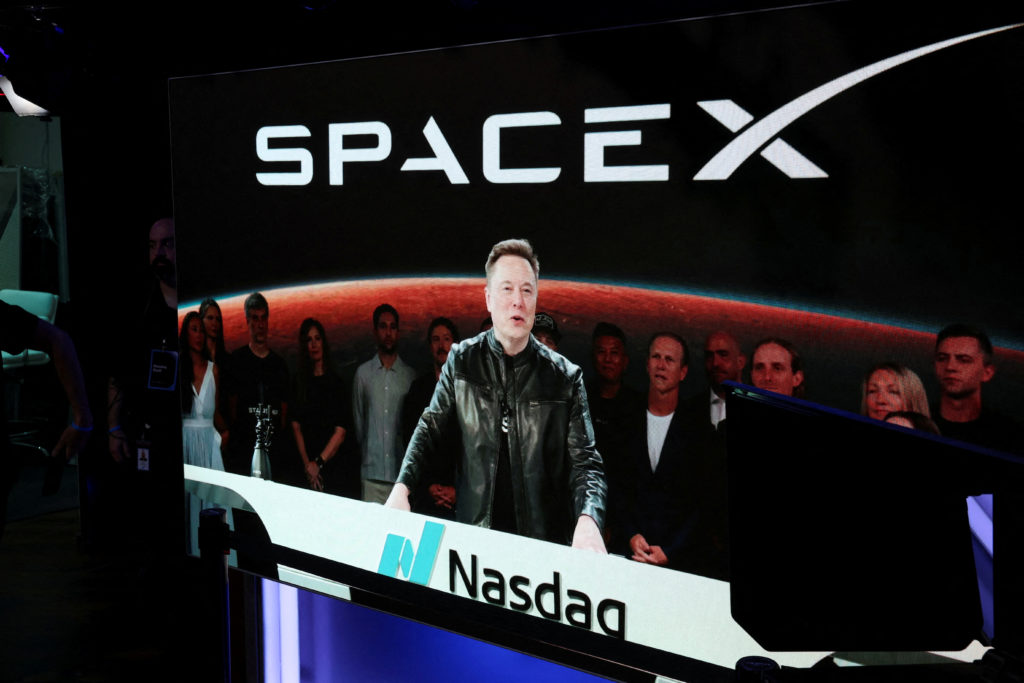
FCC approves the proposal
The FCC said SpaceX’s proposed network of one million orbital computing modules would process large quantities of data for use on Earth. The agency called its authorization a historic first and said the project could help advance artificial intelligence.
FCC Chairman Brendan Carr said the United States was entering an era of “super intelligence” and described the approval as opening “a bold new frontier.” The order requires SpaceX to deploy at least one authorized space station by 2033, then add more gradually through 2040. Elon Musk welcomed the decision on social media.
Technical hurdles and orbital risks
SpaceX has long promoted solar-powered data centers in orbit as a way to run AI tools on Earth. Supporters say they could reduce pressure on power grids and the need for large computing facilities and cooling water on the ground.
Astrophysicist and author Adam Becker called the plan “a fantasy.” He said space is cold but its vacuum traps heat inside objects, making it difficult to release. Smaller satellites could carry the materials needed, he said, but doing so would be expensive and challenging.
Becker and other experts also raised concerns about pollution from launches and reentries, and collisions in orbit. He warned that crashes could create debris in low Earth orbit, where weather and telecommunications satellites operate.
Astronomers warn about night skies
The FCC said the proposed constellation complies with its orbital debris rules and that deployment serves the public interest. It acknowledged receiving substantial public comment, including petitions asking it to reject SpaceX’s request, but said it dismissed concerns outside its authority, including environmental issues.
The American Astronomical Society, Viasat and Amazon-owned Kuiper Systems were among those that urged the FCC to deny the plan. The AAS said it was “disheartened and dismayed,” warning that bright, numerous satellites in low Earth orbit could harm astronomical facilities and people’s ability to view and study the night sky.
Becker also described the satellites as pollution visible to the naked eye. Viasat, Amazon, SpaceX and the FCC did not immediately respond to requests for further comment Wednesday.
Key points
- The FCC authorized SpaceX to deploy 1 million satellites for its proposed Starmind data-center network.
- SpaceX must deploy at least one authorized space station by 2033 and add more through 2040.
- Scientists cite heat management, cost, launch pollution and collision risks as major concerns.
- The American Astronomical Society warned that the constellation could interfere with astronomy and views of the night sky.