

Army detonates nearly five tons of Iowa explosives amid toxic lead fears and EPA monitoring
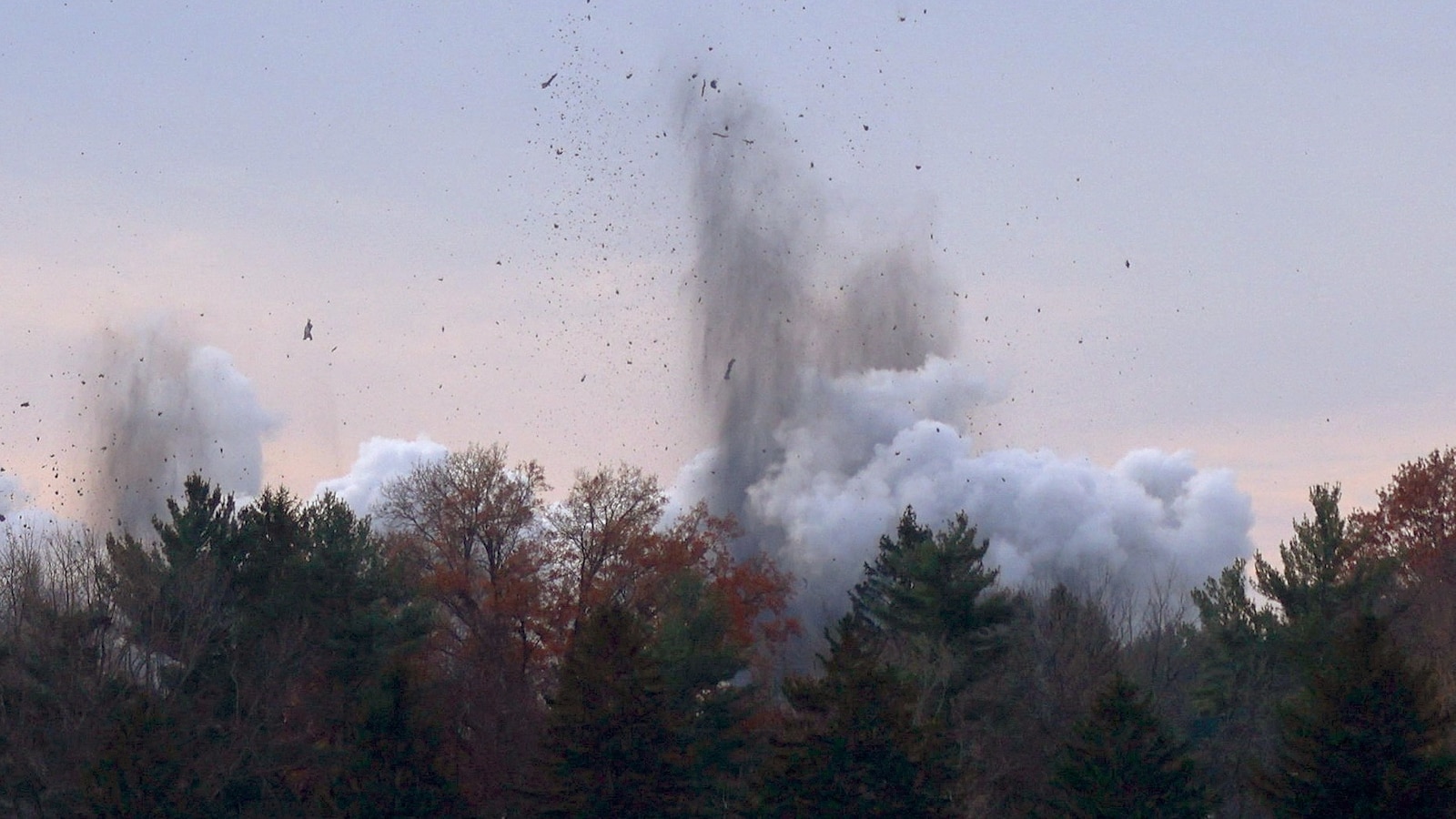
Detonation follows delays
The plan had originally been set for Friday, but was postponed twice as concerns grew and a legal challenge emerged. Maj. Gen. Eric Shirley, head of the U.S. Army Sustainment Command, said months of research found no other safe way to dispose of the barrels.
Lead dust raised concern
Residents, environmental groups and medical organizations raised concerns about a possible plume of lead dust. The Army’s latest guidance said hazardous dust and material could settle across an area of 148 square miles outside the plant.
Before the blast, an Army advisory urged Middletown residents and people nearby to leave their homes as a precaution. It said evacuees would receive a phone update when authorities issued the all-clear.
Court clears operation
The Iowa Environmental Council and Sierra Club Iowa Chapter sought an emergency halt, warning that dust might reach communities more than 100 miles away. The Eighth Circuit Court of Appeals first issued an administrative stay while considering their request, then denied the request and lifted the stay.
The two groups said they would not pursue further efforts to stop the blast, but called for public transparency. President Donald Trump said Monday he believed the long-term problem should be resolved, while leaving the decision to the appeals court and Iowa Governor-elect Rob Sand.
Monitoring and early assessment
The EPA said it would track lead levels in the area until they returned to levels considered safe. Tom Croci, an EPA associate administrator, described the monitoring commitment to reporters on Tuesday.
Missouri Gov. Mike Kehoe said an initial assessment from federal partners and Iowa emergency officials suggested mitigation measures had worked and the explosion was contained. The Army said it was conducting assessments and expected to provide an update soon.
Key points
- Two simultaneous detonations involved 68 barrels of lead azide at the Iowa Army Ammunition Plant.
- The Army identified a possible hazardous-dust deposition zone of 148 square miles outside the plant.
- The Eighth Circuit denied an emergency request to block the operation and lifted its administrative stay.
- The EPA said it would monitor local lead levels until they returned to safe levels.