

Del’s Quiet Dignity Won: Planes, Trains, Automobiles Almost Had a Completely Different Ending, and Cutting It Was the Right Decision
The Ending Audiences Know
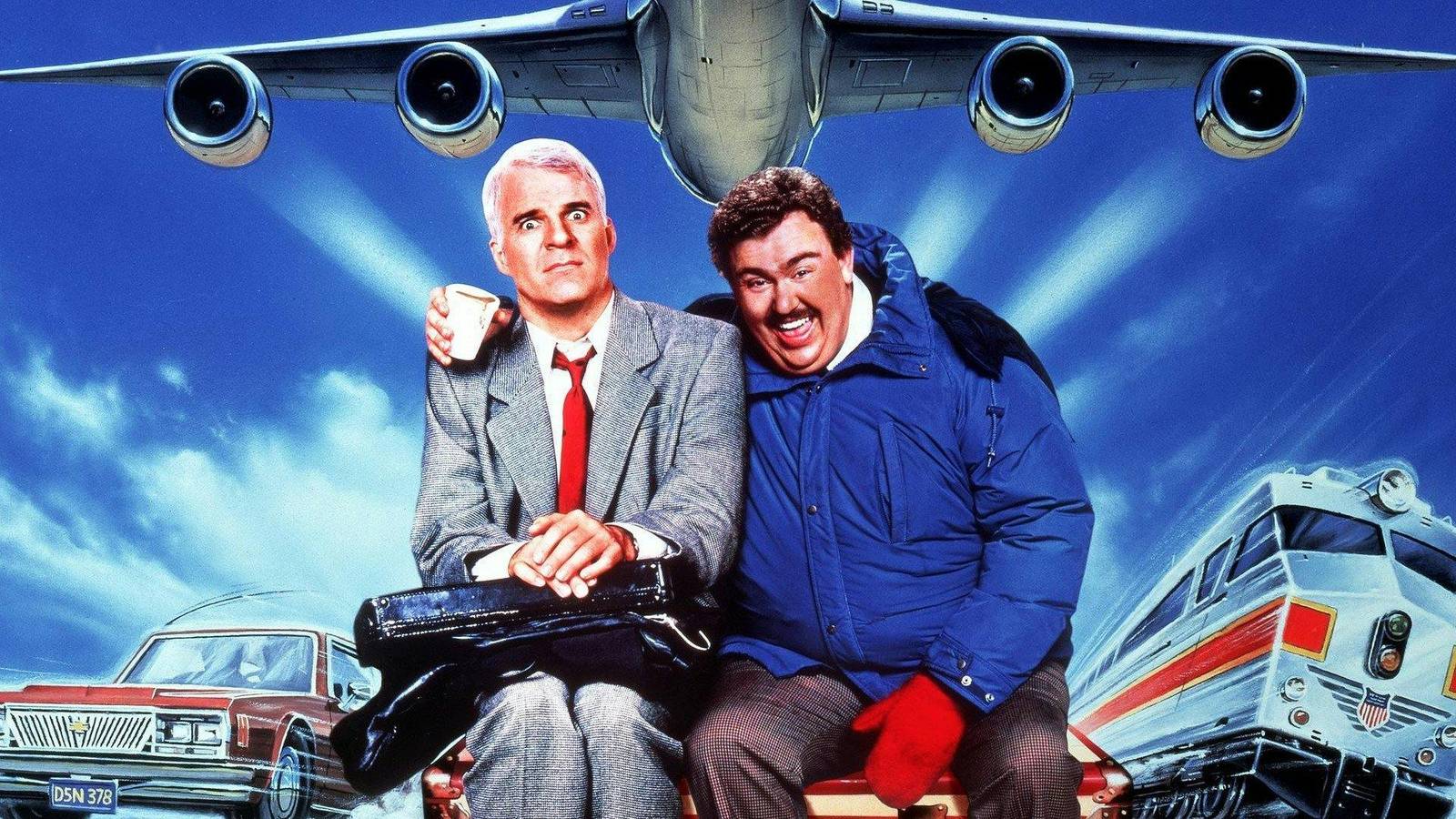
Neal Page, played by Steve Martin, spends the film enduring travel disasters alongside Del Griffith, played by John Candy. Their clashes and mishaps gradually reveal a story about loneliness, friendship and appreciating others.
After reaching Chicago, Neal leaves Del behind, then returns to the station and learns about his circumstances. He invites Del to spend Thanksgiving with him, bringing their journey to an understated close.
The Longer Screenplay Version
The script also described Marie’s illness, the couple’s inability to have children, and Del’s difficulty coping alone. Del explained that Thanksgiving reminded him of the family he never had, before joining Neal’s family for an extended dinner.
Why Hughes Cut The Scene
Audiences at test screenings reportedly found Del’s monologue frustrating and unintentionally funny. The material offered more background, but the film’s ending changed after it was removed. The longer version makes Del’s invitation to Thanksgiving feel more like charity, because Neal learns the truth through Del’s confession. The theatrical ending instead lets Neal’s change come from paying attention to his companion.
A Quieter Emotional Payoff
Del’s friendliness can frustrate Neal throughout the film, but the final revelation gives that behavior added meaning without treating it as a disguise for loneliness. In the released ending, Neal does not need Del to spell out what he is facing.
Key points
- The original screenplay included Del’s account of his wife’s death and his loneliness.
- Its ending continued with Del joining Neal’s family for an extended Thanksgiving dinner.
- Test audiences reportedly found Del’s monologue frustrating and unintentionally funny.
- The released ending lets Neal understand Del without requiring a lengthy confession.