

Thousands of satellites could be disabled if Russia launches nuclear-capable satellite within weeks, western intelligence warns: report
European leaders respond
German Chancellor Friedrich Merz called the allegations “shocking” while speaking alongside NATO Secretary General Mark Rutte in Berlin. Merz also noted that concerns about Russia’s nuclear ambitions in space were not entirely new.
Moscow disputes the claims
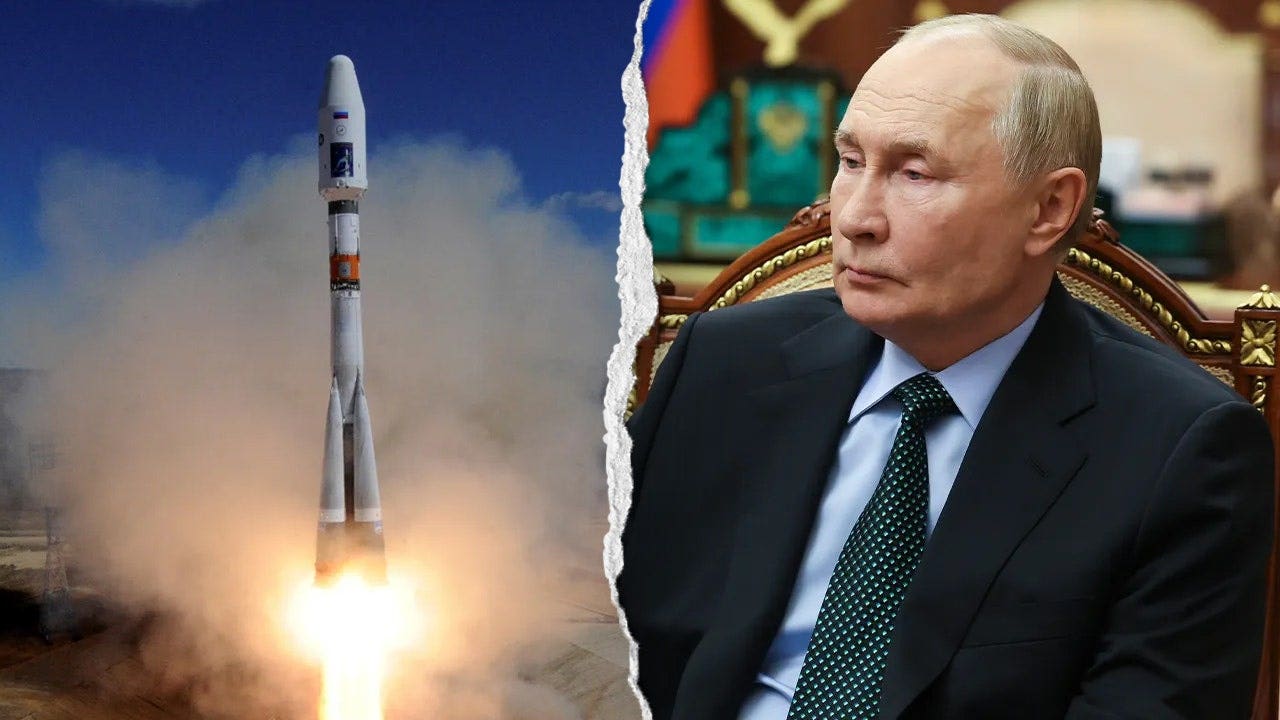
The warnings follow an October assessment by the U.S. Defense Intelligence Agency identifying Russia’s development of a nuclear-capable satellite. The agency said such a weapon could rapidly degrade or eliminate thousands of government and privately operated satellites.
Potential effects and unanswered questions
A nuclear explosion in orbit could affect many spacecraft through radiation and electromagnetic effects, rather than targeting only one satellite. Satellites support GPS navigation, communications, financial transactions, weather forecasting and critical infrastructure; Ukraine’s military also relies on satellite communications, including Starlink.
Stationing a nuclear weapon in space would violate the 1967 Outer Space Treaty, which bars nuclear weapons and other weapons of mass destruction in orbit. The latest reporting does not establish whether Sputnik-S already carries a warhead or whether Western intelligence has independently verified preparations for launch.
Key points
- German reporting says Sputnik-S could be launched within 60 days, with December considered possible.
- NATO says its defense planning includes threats in space and that it is assessing its capabilities.
- The Kremlin and Russia’s Embassy in Berlin rejected the allegations.
- Whether the satellite carries a nuclear warhead and launch preparations are verified remains unclear.