

541 Entrants, No Cash Prizes: Japan Arrested Four Men Running Poker Tournament, Deadspin Reports
Kobe tournament draws scrutiny
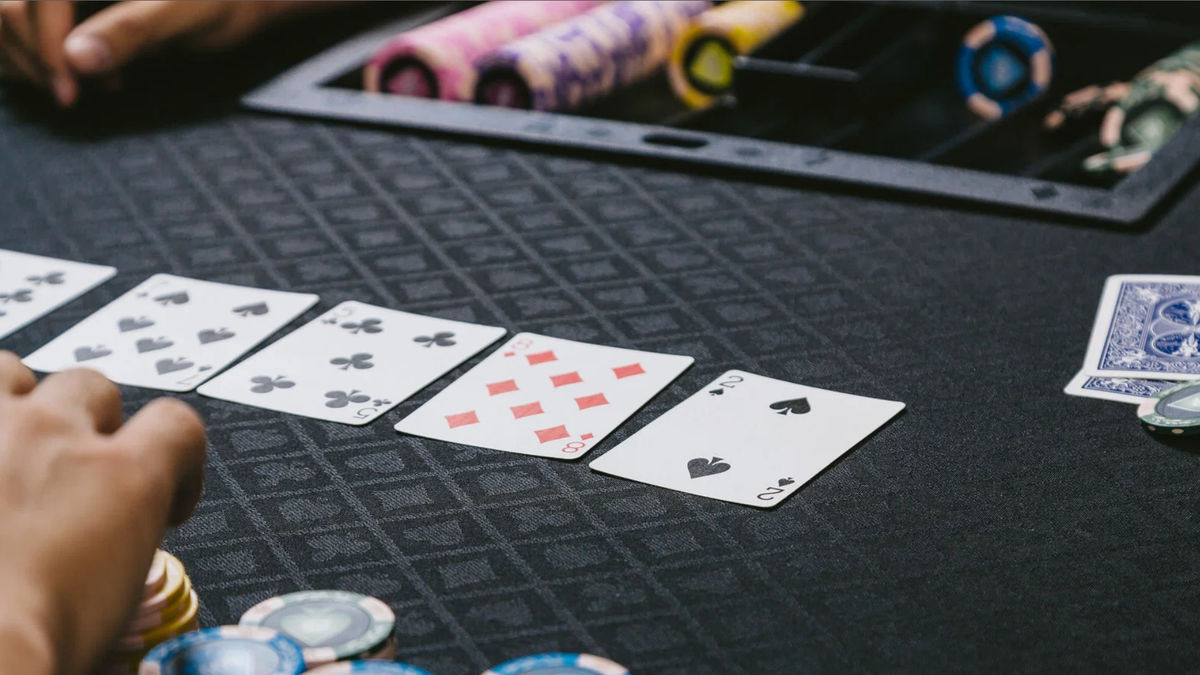
The July event in Kobe, Japan, attracted 541 people. Because real-money poker is illegal in Japan, winners could not take home cash; prizes included Kobe beef and credits for other events.
Permits, not cash prizes
The reported issue is not simply whether the event involved poker, but whether its organizers complied with regulations. The article says organizers who hold permits are presumably in the clear, while those who believed they did not need one may face trouble.
So-called “amusement poker” charges an entry fee but offers non-cash rewards such as trophies, merchandise, leaderboard points or a sponsored seat at an overseas tournament. The chips cannot be exchanged for money. The article says the lack of cash prizes may change which regulation applies, rather than exempting a commercial event from regulation.
Organizers dispute understanding
The four men have partly denied the allegations. They said, “We thought no permit was necessary.” The organizers also wrote on X that there was “a difference in understanding” of the law between them and police. The article says they had been warned three times, though it does not detail those warnings.
Wider uncertainty for poker
The arrests have unsettled an industry that had operated on the assumption that events without cash prizes did not amount to gambling and posed no legal problem. The article says the case leaves uncertainty about the rules for tournaments that rent a room.
Players in Japan must travel abroad to play for money. The World Poker Tour canceled a planned Tokyo series in September, citing legal problems at home.
Key points
- A July poker tournament in Kobe drew 541 entrants and offered no cash prizes.
- Hyogo Prefecture police arrested four people linked to the Hyogo poker federation between November 9 and 17.
- The case raises questions about permits for commercial poker events with non-cash prizes.
- The organizers said they believed no permit was needed; the article says police had warned them three times.