

After talks ran two days late, COP31 ends in failure as countries split over fossil fuels and climate finance
No agreement on central statement
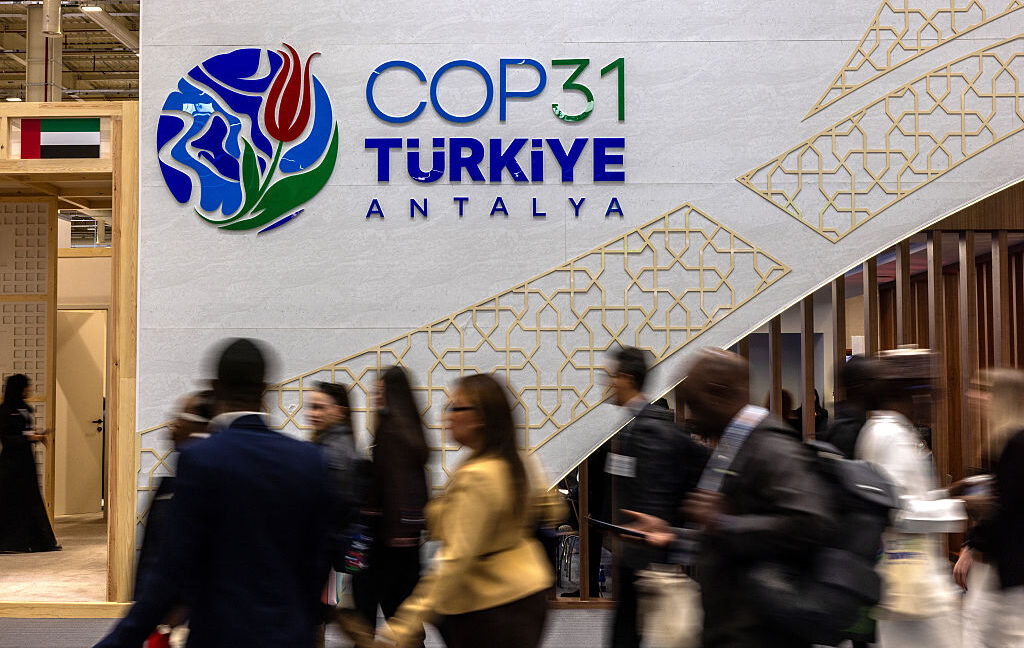
The United Nations climate conference concluded Sunday in Antalya, Turkey, without consensus on a cover decision. This is the first time since 2009 that an annual conference has ended without one.
Delegates adopted several separate decisions, including a program supporting workers and communities moving away from fossil fuels and a plan to measure progress on adaptation. But the talks did not produce broad agreement on possible next steps, despite continuing two days past their scheduled finish. The dispute centered on whether the final text should address fossil fuels and carbon capture, and on how much developed countries should contribute to climate financing for developing nations affected by expensive disasters.
Countries reject proposed text
The European Union, several Latin American countries and Pacific Island states said they could not accept the conference leaders’ draft. The EU, which represents 28 member countries, formally objected. Egypt and Brazil also criticized the draft put forward by COP31 president Murat Kurum of Turkey and Chris Bowen of Australia, who led the conference negotiations.
Island states warn of risks
Pacific Island nations have objected to outcomes at earlier U.N. climate meetings. In Dubai in 2023, a final text was adopted despite an objection from a delegation representing 39 small island developing states, which was outside the plenary meeting while coordinating its position.
A setback for global cooperation
At the Antalya meeting, countries had sought voluntary, measurable global goals for electrifying economies and increased support from developed nations for climate adaptation. Earlier agreements included a loss-and-damage fund established in Egypt in 2022 and, in Dubai the following year, recognition of the need for a “just and orderly” shift away from fossil fuels in energy systems.
International cooperation on climate has weakened amid conflict, higher oil and gas prices and economic insecurity. The lack of a shared conference statement will not end global climate efforts, but it is widely regarded as a serious setback.
Key points
- COP31 ended without consensus on its central conference statement for the first time since 2009.
- Disagreements focused on fossil fuels, carbon capture and climate funding for developing countries.
- Delegates approved separate plans for adaptation and transitions away from fossil fuels.
- The talks ran two days late, and the outcome is widely viewed as a serious setback.