

Climate Talks Collapse in Turkey Over Fossil Fuel Rift and Missing Agreement
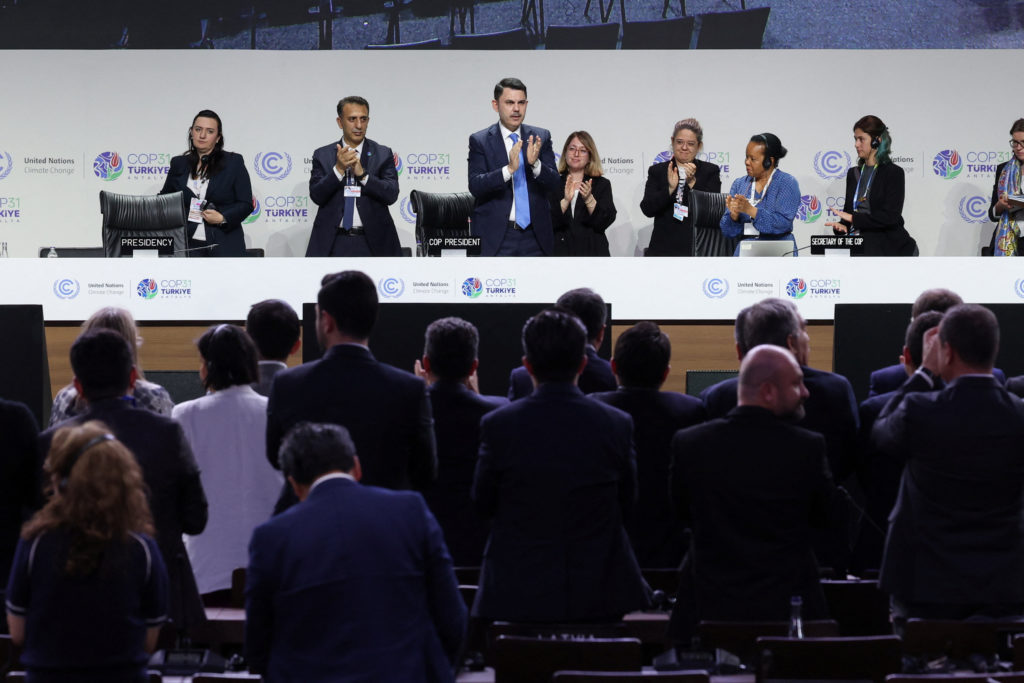
A deal fails at COP31
The two-week COP31 negotiations ended Sunday without a cover decision, the main agreement sought by the talks. Expectations had been low, and disputes over fossil fuels and other issues, including money, could not be resolved.
The joint Turkish-Australian proposal did not mention fossil fuels. Several countries and the European Union of 27 nations rejected it, while many others accepted it reluctantly, arguing that reaching consensus mattered. The proposal ultimately failed.
Disputes and delayed decisions
The draft also included explicit support for carbon capture and storage by industrial polluters. Many nations and activists argued that this could weaken efforts to cut overall emissions.
Union of Concerned Scientists representative Rachel Cleetus blamed richer nations, petrostates and the Turkish and Australian COP presidents for what she called the failure to deliver ambitious, fair, science-based results. COP31 president Murat Kurum was absent as the proposed deal unraveled in the plenary session. Azerbaijan’s Elchin Allahverdiyev announced that the talks had failed to agree on a cover decision; Australia’s Chris Bowen said that was “disappointing, very disappointing.”
Other climate work continues
Bowen said the Dubai call to move away from coal, oil and natural gas remained in force, and argued that the shift was already happening quickly and irreversibly. Several issues were left for next year’s negotiations in Ethiopia. They include details on moving away from fossil fuels, financial support for poorer countries adapting to warming, and action on gender and climate.
Turkey made global electrification its signature issue. A separate proposal seeks to increase electricity’s share of total final energy consumption from about 21% today to 35% by 2035; nearly 100 countries signed the pledge.
Key points
- COP31 ended without an overarching agreement after countries failed to resolve disputes over fossil fuels and other issues.
- The proposed decision also drew criticism over its carbon capture and storage language.
- Many outstanding climate issues were deferred to next year’s negotiations in Ethiopia.
- Nearly 100 nations signed a separate pledge to raise electricity’s share of energy consumption to 35% by 2035.