

Why the world’s medicines must be made for a climate that no longer exists
Heat can weaken medicines
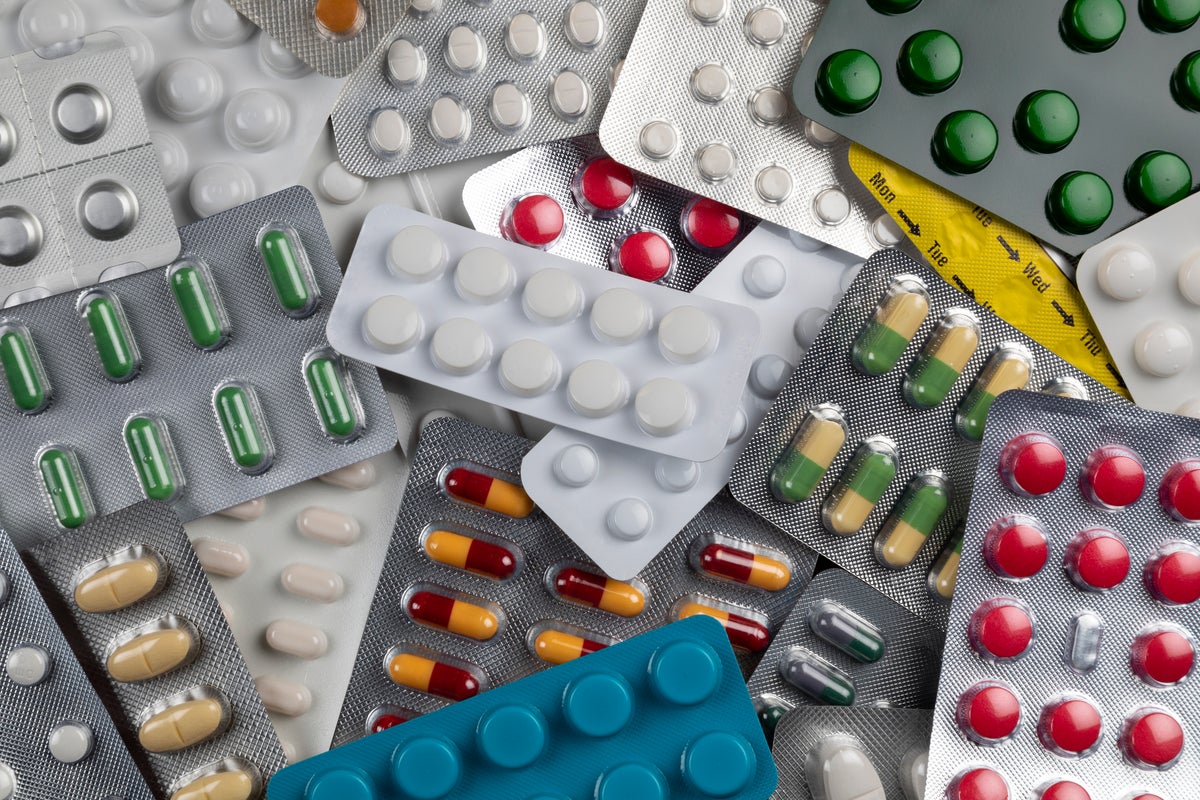
Medicines may lose strength after exposure to heat without any visible change. Many are approved for storage at “room temperature,” assumed to mean no more than 30°C. Bretin raises questions about heat and humidity in shipping containers, warehouses and health facilities without reliable cooling. He also asks how repeated exposure affects medicines over time as temperatures rise.
Pregnancy faces added risks
A review in The BMJ found that the odds of premature birth increase by about 5 per cent for each 1°C rise in temperature, and by 16 per cent during a heatwave. The greatest risks fall on poorer women in the hottest places.
Britain urged to extend leadership
Bretin says the UK can build on those efforts by investing in research, innovations and partnerships that make medicines more resilient. He identifies Cop31 in Antalya as an opportunity to help ensure medicines withstand climate pressures worldwide.
Decisions reach beyond negotiations
The consequences of climate decisions extend to people far from the negotiating rooms, Bretin argues. He points to labour wards and the question of whether medicines stored on shelves still work when needed.
Key points
- Heat can reduce medicine strength without changing its appearance.
- Many medicines assume storage temperatures do not exceed 30°C.
- A BMJ review linked higher temperatures and heatwaves with greater odds of premature birth.
- Bretin urges Britain to back research and partnerships for climate-resilient medicines.