

partner content: Why datacenters’ future depends on behind-the-meter energy generation as AI strains grids
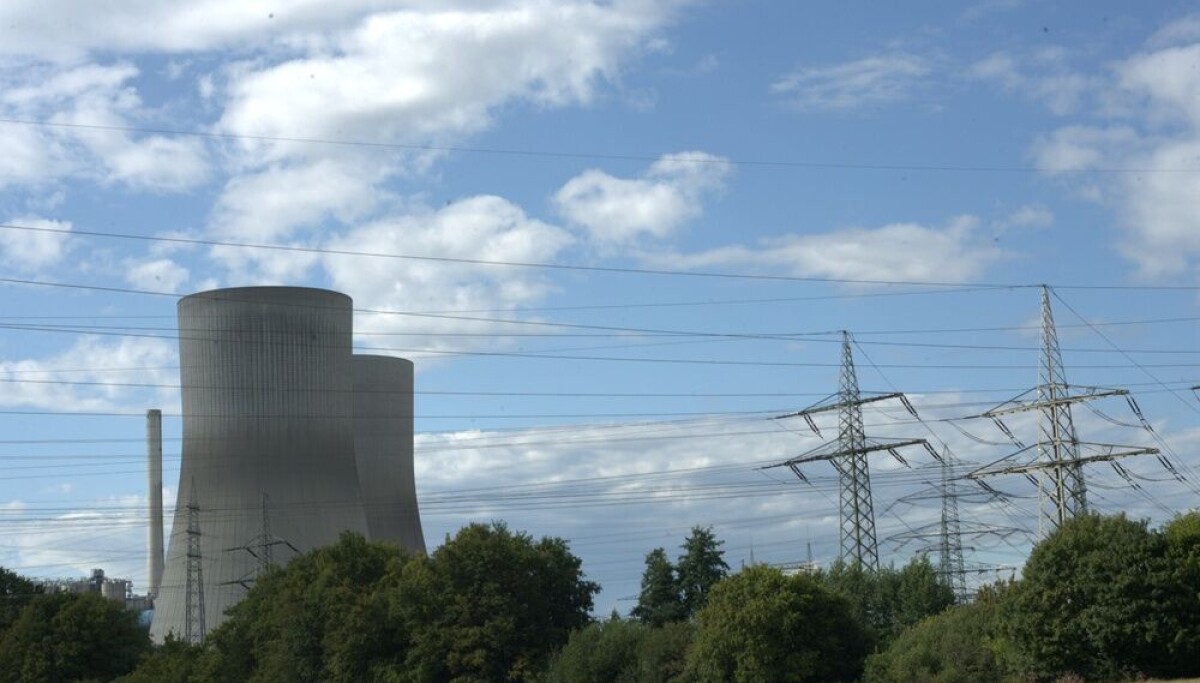
Power demand is changing
Datacenters have long operated as a dependable part of the digital economy. Now, AI growth and a manufacturing renaissance are driving higher electricity needs, with power demand rising by an average of 2.1 percent annually over the past five years.
Operators are responding by shifting from reliance on the grid alone toward localized energy production and storage. Behind-the-meter infrastructure is becoming one way to address limits on grid capacity and keep projects moving.
Different paths to supply
Large technology companies such as Amazon, Google and Microsoft can use their financial scale to secure substantial power supplies. Their approaches include negotiating custom tariffs with utilities, locating facilities near nuclear or baseload plants, and signing off-site power purchase agreements.
Some are also installing large battery systems and using on-site natural gas generation. With larger turbines facing long backlogs, some operators are deploying several smaller units of roughly 50 megawatts instead.
Batteries and generation
In congested markets, on-site generation and batteries can help developers while they wait for grid connections. In Virginia, LS Power is pursuing a 300-megawatt datacenter project intended to receive electricity directly from the adjacent natural gas-fired Doswell power plant.
The technologies can serve different roles: an uninterruptible power supply provides rapid protection against voltage problems, while batteries can smooth AI-related spikes and shift electricity use away from peak periods. On-site generation, including natural gas microturbines, can supply firm power for longer periods.
Demand charges can account for 30 to 70 percent of a datacenter’s monthly electricity bill in many markets. Using batteries to reduce peak demand, a practice called peak shaving, may lower those costs; flexible loads, generation and storage may also offer new connection pathways in some U.S. markets.
Key points
- Datacenter electricity demand has risen by an average of 2.1 percent annually over the past five years.
- Hyperscalers are using tariffs, power agreements, batteries and on-site generation to secure supply.
- LS Power is pursuing a 300-megawatt Virginia datacenter project tied to the Doswell power plant.
- Demand charges can make up 30 to 70 percent of monthly electricity bills in many markets.