

Vulcan failure data is very preliminary; BE-4 engines may not be to blame
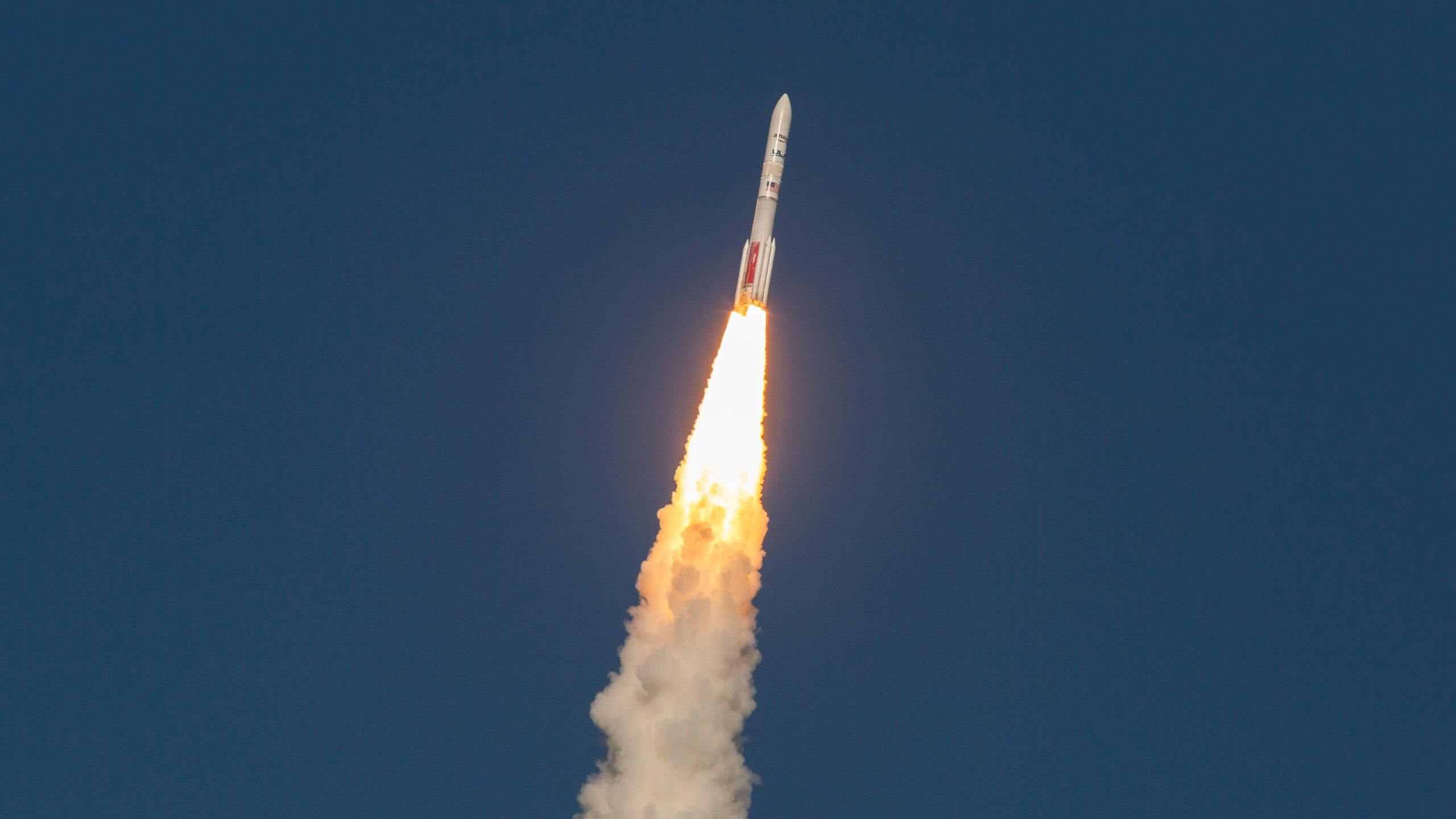
Failure during early flight
ULA confirmed that Vulcan’s return-to-flight launch began to fail soon after liftoff. The company said the vehicle lost telemetry and the mission at about 10 minutes into flight, after booster performance fell below expectations.
ULA said the vehicle reached stage separation at low altitude and below the velocity needed to reach orbit. The company reported that the Centaur V upper stage and solid rocket boosters performed nominally.
Cause remains uncertain
ULA has not specified what caused the low booster performance. The Vulcan core stage is powered by two BE-4 engines from Blue Origin, and two sources told Ars that preliminary data currently points to the launch vehicle rather than the engines.
The issue may involve systems that deliver methane and liquid oxygen to the engines. ULA and Blue Origin are investigating together, while the Federal Aviation Administration oversees the inquiry. Two sources described the investigation as “incredibly complicated.”
Engine behavior under review
ULA engineers are examining whether one BE-4 produced less thrust shortly after liftoff and did not return to full throttle during the burn. Video from high-zoom tracking cameras appeared to show one engine dimmer than the other after the solid boosters separated, nearly two minutes into flight.
An asymmetric engine shutdown may also have contributed to the attitude motion shown in ULA’s telemetry-based animation near stage separation. These observations remain preliminary, and no definitive cause has been established.
Potential impact on missions
This was Vulcan’s fifth flight since its January 2024 debut. Two earlier flights had solid-booster nozzle problems, but the rocket compensated and reached its intended orbit; the second issue led to a nine-month stand-down.
The latest failure may keep Vulcan grounded for at least half a year, and possibly longer. US Space Force payloads and more than a dozen Amazon Leo launches planned for 2027 could be affected, worsening pressure on US launch capacity.
New Glenn implications
If Vulcan’s failure is ultimately traced to a BE-4 engine, New Glenn’s return could be delayed. That would also affect NASA’s plans to rely on the rocket for major work tied to the Artemis Program and Moon Base.
Key points
- ULA reported low booster performance and a failed mission about 10 minutes into Vulcan’s flight.
- Preliminary information points to a possible launch-vehicle issue, but investigators have not determined the cause.
- The failure could sideline Vulcan for at least six months, affecting Space Force and Amazon Leo launches.
- A BE-4-related cause could delay New Glenn’s return and affect NASA plans.