

Lords Warn UK Exposed to Polycrisis of Connected Threats Amid Government Complacency
Plans lag behind connected threats
The Lords national resilience committee says ministers are not responding adequately to rapidly changing and increasingly linked threats. After months of expert hearings, it urges a coherent approach to preparing for major crises.
The report warns that plans often address one problem at a time, such as power or water outages and cyber-attacks. It says this leaves the UK less prepared for a “polycrisis” in which several disruptions combine, with artificial intelligence increasing cyber risks.
The committee says emergency planning remains divided among individual risks, organisations and sectors rather than focused on keeping essential national functions running. It also describes existing plans as outdated and fragmented.
Proposed changes to preparedness
The committee recommends appointing a dedicated cabinet minister for resilience and having the prime minister report to parliament annually on preparedness. It also says the Cabinet Office should publish a national resilience strategy within six months, with adequate funding and a more coherent assessment than the current risk register, which lists 87 items.
Another proposal is to send every household a booklet explaining how to prepare for and respond to emergencies. The report points to Denmark and Sweden as examples of countries using this approach.
Committee chair Jean Coussins said ministers should not be “squeamish” about describing the risks. The report says emerging threats should not be treated as distant or hypothetical, warning that vulnerabilities could leave the UK exposed.
Risks to supplies and services
The report highlights reliance on overseas production of medicines. It says most antibiotics are now made in China or India, and about 90% of the world’s 6-APA, a compound used to make penicillin-type antibiotics, comes from China.
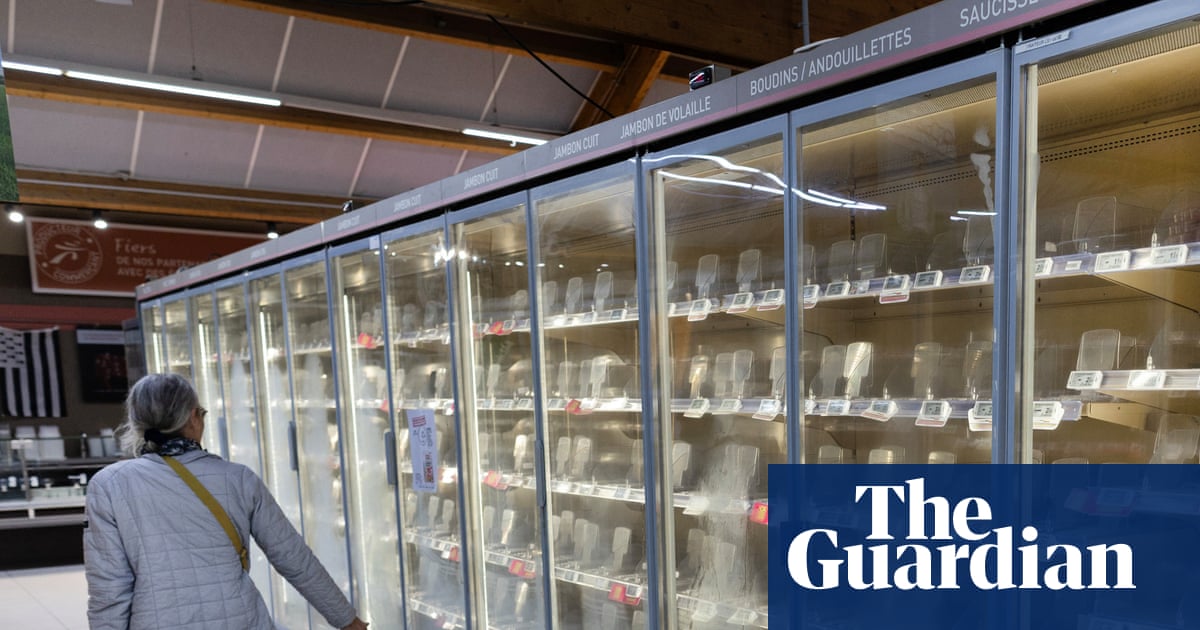
A witness also warned that dependence on foreign-made medical items, including scissors and surgical staplers, could disrupt routine operations if supplies were interrupted. The report presents these risks as part of broader vulnerabilities across essential services. On food, the committee heard that keeping several days’ supplies of food and water, as advised by Be Ready, does not address strategic weaknesses in a highly centralised food system.
Government response
A Cabinet Office spokesperson said the government would “carefully review” the committee’s specific recommendations. The spokesperson added that work was already progressing quickly. The spokesperson also said more work was needed to make the UK as resilient as possible, including cooperation with and learning from allies.
Key points
- The Lords committee says the UK is underprepared for crises that combine multiple disruptions.
- Recommendations include a resilience minister, an annual prime ministerial statement and a national strategy within six months.
- The report flags reliance on overseas medicines and medical supplies, alongside weaknesses in food-system resilience.
- The Cabinet Office says it will review the proposals and continue resilience work with allies.