

DNA traces global journeys of peeping woodcocks, evolutionary oddballs, and reveals a Haitian fossil was a snipe
Unusual birds, unusual movements
Woodcocks belong to the sandpiper family, but most travel only short distances seasonally. Six of the eight known species live on particular islands, and some do not migrate.
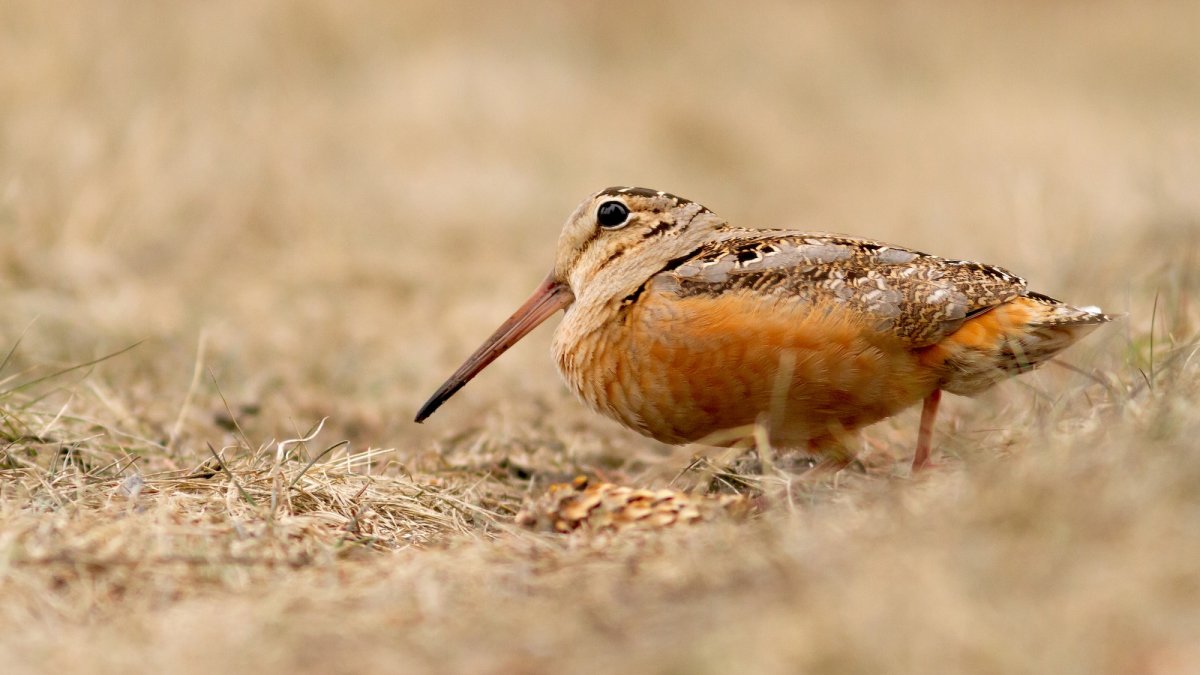
Their small, squat bodies, long beaks and peeping calls during mating displays have made them familiar in online videos. Their distribution is striking, despite their limited aerodynamic ability, said John Bates, a bird curator at Chicago’s Field Museum.
Tracing their paths
Bates and colleagues studied DNA from all eight woodcock species and 22 snipe species. Their work also included preserved museum specimens and a fossilized sandpiper found in a Haitian cave.
The researchers propose that sandpines originating in Africa crossed the Atlantic and evolved into new species in South America. Some then crossed the Pacific to New Zealand. The study’s broader account suggests sandpipers began in the Northern Hemisphere before reaching warmer islands, where their seasonal journeys became shorter.
A fossil reclassified
The fossil from Hispaniola is around 1,000 years old. Although biologists had first identified it as a woodcock, the latest analysis indicates it was a snipe. Bates said snipes and woodcocks have existed for 20 to 25 million years, with migration patterns changing as species evolved and spread. The study was published in Proceedings of the National Academy of Sciences.
Habitat changes bring risks
Bates said changing climates and habitats are likely to affect these birds. Some woodcock species live only in mountain forests on islands between Asia and Australia. If those forests are cut down, the birds could disappear, he warned.
Key points
- Researchers analyzed DNA from eight woodcock species and 22 snipe species.
- The Haitian fossil, about 1,000 years old, was identified as a snipe.
- The team proposes that snipes spread from Africa to South America and then New Zealand.
- Island woodcocks may face threats from changing climates and habitat loss.