

Why Paramount’s Ambitious 17-Part Space Opera Deserves a Critical Reevaluation
A difficult adaptation challenge
Video game adaptations have often struggled to satisfy audiences, especially when they revisit franchises with long histories. Recent successes such as Arcane, Cyberpunk: Edgerunners, Fallout and The Last of Us have shown that some can connect with viewers.
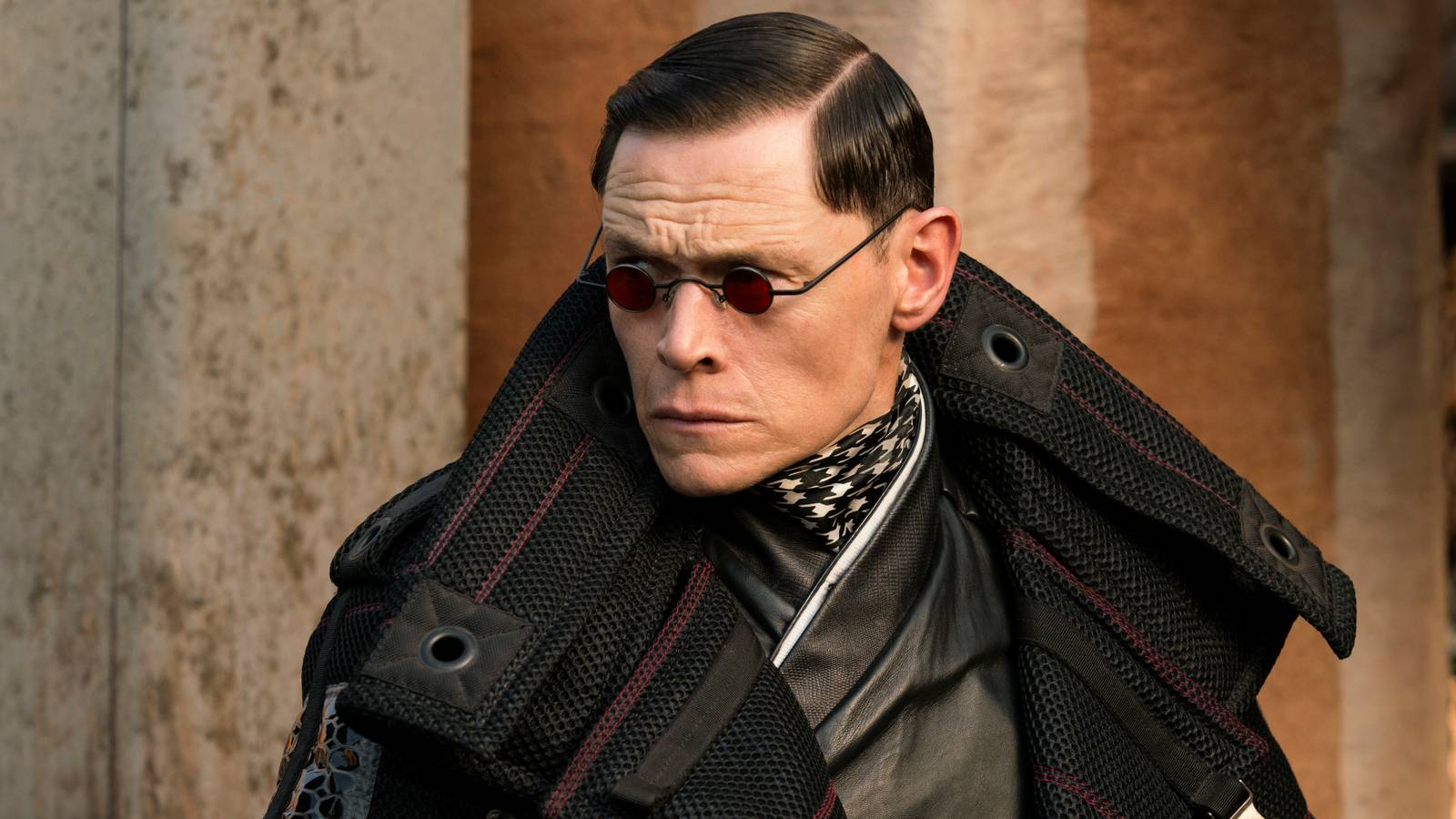
Halo had the ingredients for a military science-fiction space opera, including extensive worldbuilding and intergalactic conflict. But its departures from the games divided audiences, particularly longtime fans. Criticism centered on its alternate continuity and changed portrayal of Master Chief. Some viewers, however, valued the production design and the effort to explore his struggles beyond familiar missions.
A second season gains focus
The case for a fresh look at Halo rests partly on its second season, which addressed some problems that had hurt the first. Its storytelling became more focused, and it began depicting major franchise events, including the fall of Reach.
The change appeared in Rotten Tomatoes scores. Critics gave the first season 70% and the second 90%; audience scores rose from 52% to 68%. The series still had flaws, but its two-season run showed an attempt to build a different version of Master Chief’s story. Viewed apart from comparisons with the games, it can also be seen as a space opera that was finding its footing when it ended.
Lessons for future adaptations
Halo illustrates the difficulty of adapting a beloved game franchise for television. Its choices may offer lessons for Prime Video’s planned Mass Effect series, based on BioWare’s role-playing franchise, which began in 2007.
The television series will reportedly tell a new story set after the games’ events, rather than retell the original trilogy. BioWare executive producer Michael Gamble confirmed in November 2025 that it would occupy an established place in the franchise timeline without repeating Commander Shepard’s journey.
Halo’s reception shows the tension between honoring established material and pursuing a new direction. Its mixed response and improved second season make it a candidate for reassessment, even though it was canceled after two seasons.
Key points
- Paramount’s Halo ran for two seasons and 17 episodes before cancellation.
- The second season’s Rotten Tomatoes critic score rose from 70% to 90%.
- Audience scores increased from 52% to 68% between seasons.
- Mass Effect’s television series will reportedly tell a new story after the games’ events.