

60 Minutes Transcript Tracks Kratom Often Sold as Herbal Supplement and How It May Pose Serious Health Risks
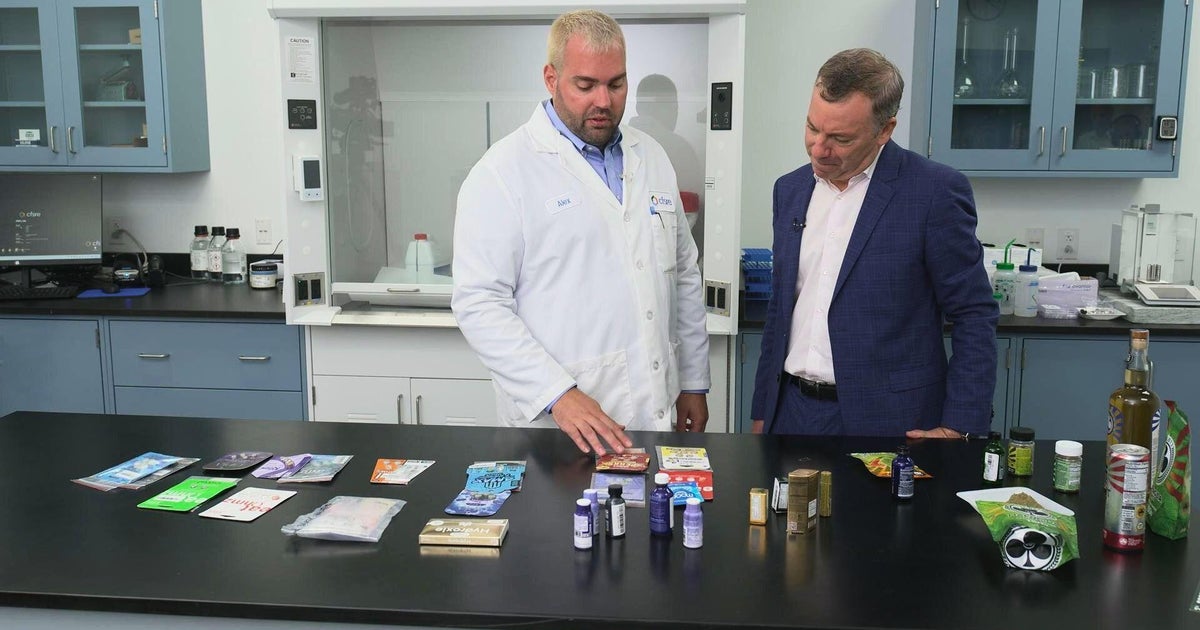
A widely available product
Kratom comes from a tree native to Southeast Asia, where people have traditionally chewed its leaves or brewed them into tea. Its products now include leaf powder, capsules, gummies and extracts, sold at convenience stores, smoke shops, corner delis and online.
One product, Feel Free, costs about $10 a bottle. The industry presents kratom as a mild stimulant and an aid to opioid recovery, while its availability and continued legality in most states have drawn criticism.
How kratom affects the brain
Kratom’s main compound, mitragynine, activates opioid receptors in the brain. The body converts some of it into 7-OH, which activates those receptors more intensely and can produce an opioid high.
Brandeis University physician Andrew Kolodny said many of the patients he had recently treated for opioid addiction had developed it while taking kratom. Kratom advocates, meanwhile, say it can ease withdrawal symptoms and help with chronic pain and depression.
Deaths and competing claims
The deaths of Wendy Chamberlain’s son, Joe, and Susan Eppard’s son, Matthew, were attributed solely to mitragynine. Matthew was 22 when he collapsed while playing cards with friends.
A shift to synthetic 7-OH
The Food and Drug Administration warns of serious adverse events linked to kratom, including liver toxicity, seizures and substance use disorder. Toxicologist Alex Krotulski said users are moving from leaf-based products toward synthetic 7-OH.
Melanie Clark said she stopped using Feel Free, later relapsed and began taking synthetic 7-OH tablets. She said that use led to a hospital stay.
Key points
- Kratom products are widely sold, including in convenience stores, smoke shops and online.
- Mitragynine activates opioid receptors, and the body converts some of it into the more intense 7-OH compound.
- The CDC has identified more than 5,000 overdose deaths involving kratom since 2020.
- Melanie Clark said synthetic 7-OH tablets led to her hospitalization.