

World court to rule whether Myanmar committed genocide against Rohingya
A landmark court decision
The International Court of Justice (ICJ) is preparing to deliver its judgment on accusations that Myanmar violated the 1948 UN genocide convention through its treatment of the Rohingya. Gambia, a Muslim-majority state, brought the case, which judges have considered for seven years.
Survivors’ accounts and allegations
In January, judges heard Rohingya survivors in closed sessions after they travelled from camps in Bangladesh. Legal Action Worldwide said one witness described her child being taken, stabbed and thrown into a fire; another recounted seeing bodies in a mass grave.
Antonia Mulvey, founder of Legal Action Worldwide, said she was “cautiously optimistic” the court would hold Myanmar fully accountable. She described attacks involving civilians, burned villages, separation of men and women, sexual violence and killings as people fled.
Yanghee Lee, a former UN rights investigator to Myanmar, called the decision historic for Rohingya survivors and their families. Jallow said the case concerned a real group of people targeted for destruction, and argued that sexual violence was important evidence of intent.
Myanmar’s response and 2017 crisis
Myanmar denies committing genocide and says its actions targeted a military uprising by insurgents. The crisis escalated after a Rohingya militant group carried out guerrilla-style attacks in summer 2017, followed by large-scale military “clearance operations”.
Witness testimony from Tula Toli, later shown in satellite footage to have been razed, contributed to accounts gathered over several years. A former general is also being investigated by the International Criminal Court over alleged crimes against humanity; unlike the ICJ, the ICC prosecutes individuals, not states. The former general became civilian president in April after elections widely condemned as a sham, and has sought to rebuild diplomatic ties.
Wider implications and displacement
The Myanmar case shares features with a separate genocide case against Israel, including allegations that a powerful military targeted an ethnic group. Israel has stronger diplomatic backing from the US.
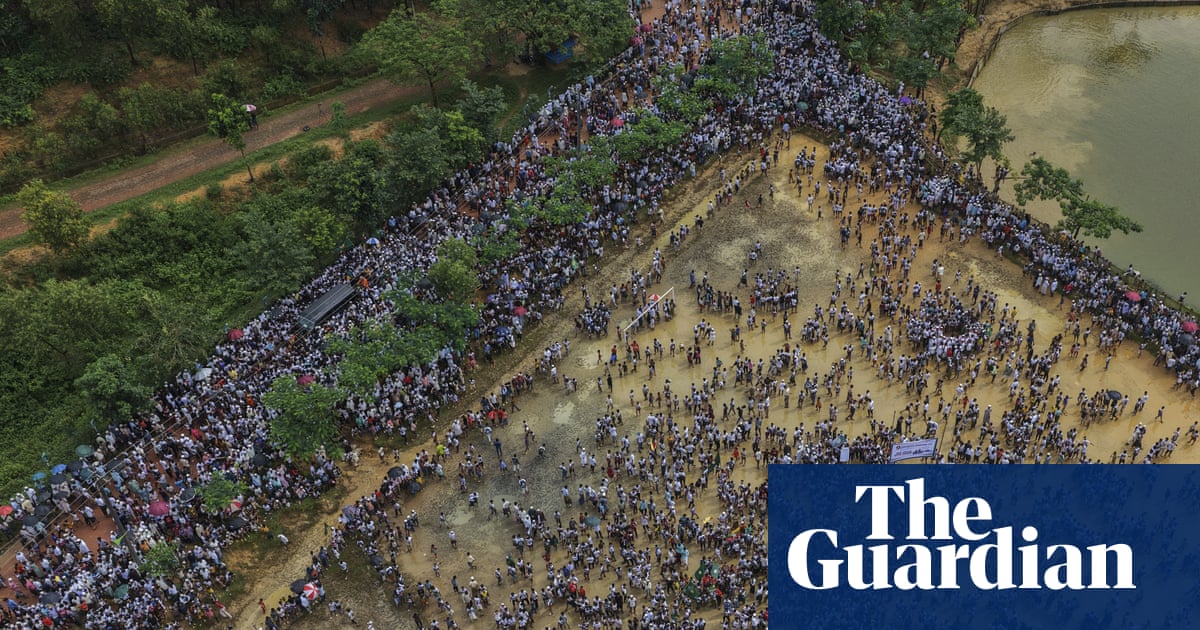
Trump’s UN ambassador, Mike Waltz, said the ICJ “must not be allowed” to set a genocide standard that could be applied to “allied soldiers”, a warning relevant to Israeli troops. More than 1 million Rohingya remain in Bangladesh, in the world’s largest refugee settlement. Fewer than 600,000 are estimated to remain in Myanmar.
Key points
- The ICJ is expected to rule this week on Gambia’s genocide case against Myanmar.
- The court has never found a state responsible for genocide.
- Survivors gave closed-door testimony in January about violence and killings.
- More than 1 million Rohingya remain in Bangladesh.