

Vitamin Could Help Block Cancer-Linked Chemicals in the Stomach, Study Finds
Nitrates and stomach chemistry
Nitrates and nitrites occur in cured meats such as bacon and salami, and in produce grown in polluted soil or water. Their presence in North American diets has increased over several decades. These compounds also support functions in the brain and cardiovascular system.
In the stomach, nitrates and nitrites can take part in nitrosation, a reaction that produces substances researchers suspect may contribute to cancer development. Scientists have long sought to understand what drives this process and how it might be limited.
Model points to vitamin C
Researchers developed a mathematical model to track nitrates and nitrites through the salivary glands, stomach, small intestine and plasma, the liquid portion of blood. They used it to simulate chemical changes during digestion.
Meal timing and supplements
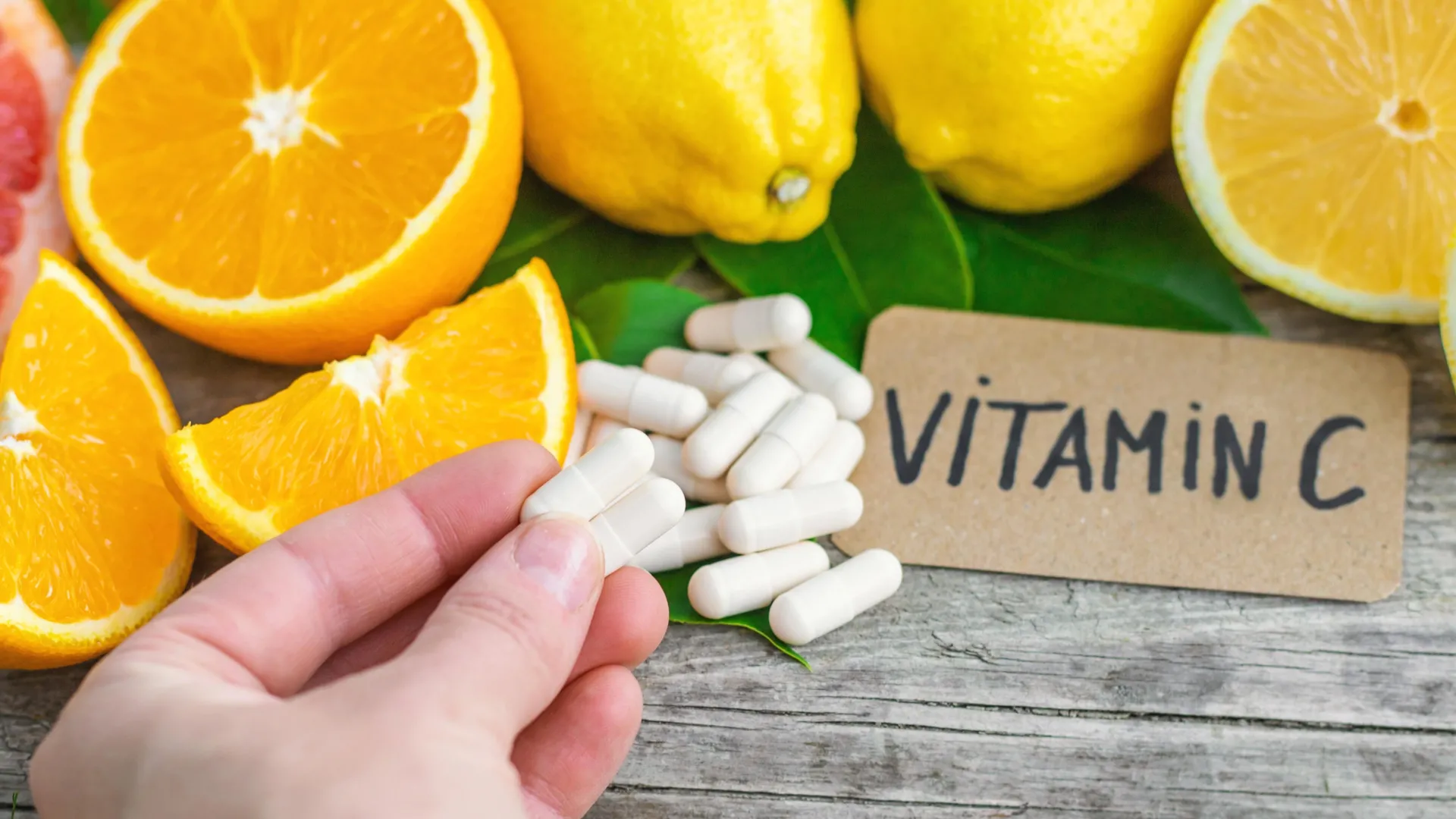
The team also examined vitamin C supplements taken after meals. Its findings suggest taking vitamin C after each meal could moderately reduce nitrosation products associated with cancer risk, particularly after foods containing nitrates and nitrites, including processed meats.
The researchers said the model could guide future studies by highlighting factors such as nitrite exposure, antioxidant intake, meal timing, stomach conditions and activity of the oral microbiome. Anita Layton, a professor of applied mathematics and Canada 150 researcher chair, described it as a roadmap for targeted laboratory and clinical research.
Human evidence remains needed
The findings come from mathematical simulations, not clinical trials. Further research is needed to determine whether the predicted reduction in chemical formation leads to a measurable change in cancer risk among people.
The study, “Vitamin C as a nitrosation inhibitor: A modelling study across dietary patterns and water quality,” appeared in the Journal of Theoretical Biology. The researchers say the model may help clarify how diet and digestive chemistry interact and shape future experiments.
Key points
- A University of Waterloo model suggests vitamin C may limit nitrosation during digestion.
- The simulations included nitrates and nitrites found in cured meats and some produce.
- Vitamin C taken after meals may moderately reduce nitrosation products, according to the model.
- Clinical research is needed to learn whether these changes affect cancer risk in humans.