

Why Western Cape Winemakers Are Learning Conservation Can Be Good Business
Climate pressures on vineyards
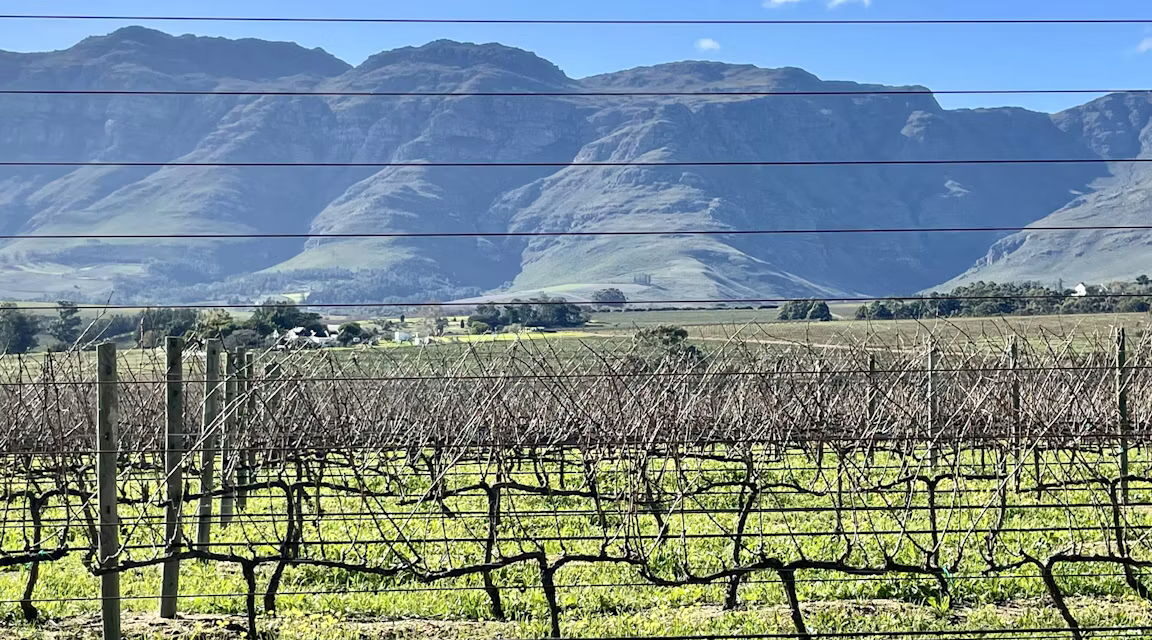
The Western Cape contains more than 500 vineyards and produces about 90 percent of South Africa’s wine. It is also part of a biologically diverse region where growers face drought, excessive heat and uneven rainfall.
Over the past five decades, temperatures in the region have increased 1.5 to 2 times faster than the global average. Severe drought lasting three years in the late 2010s strained vineyards and lowered grape production, while extreme storms have grown more intense as climate variability rises.
Stewardship and business value
Researchers spoke with growers, conservation practitioners and wine industry experts, and assessed stewardship practices at 107 vineyards, about 20 percent of the total. They found many operators consider soil and wildlife conservation important to long-term business success.
The region includes the Cape Floral Region, a biodiversity hot spot known for fynbos and thousands of endemic plants. Sustainability certifications and conservation programs, including World Wildlife Fund Conservation Champions, have encouraged protection efforts; growers also use certification to help make their wines more marketable.
Standards and water protection
Most of South Africa’s vineyards participate in the Integrated Production of Wine certification system, established by the wine industry and researchers in 1998. It sets rules for pesticide use, water management, wastewater treatment and environmental stewardship, with independent audits of participating farms and wineries.
Growers described removing alien plants and restoring native vegetation near waterways, alongside steps to limit erosion and protect wetlands and rivers. Healthy natural systems can help soil retain water and make landscapes more resilient to extreme climate conditions.
Healthier soils, targeted pest control
Some vineyards plant cover crops between vine rows, including legumes, oats, rye, radish and mustard. Growers also reported using compost and mulch to improve soil structure and organic matter; well-maintained cover crops can limit erosion and improve water retention and soil nutrients, although they need care and can shelter pests.
Several producers said they are trying to use fewer chemical pesticides, which can also help businesses as chemical costs rise. Some monitor pest populations and respond selectively, while others support beneficial insects and habitats for natural pest predators.
Key points
- More than 500 vineyards in the Western Cape produce about 90 percent of South Africa’s wine.
- Researchers assessed stewardship practices at 107 vineyards, about 20 percent of the total.
- Growers use native vegetation, cover crops and targeted pest responses to support vineyard resilience.