

A Bleak Vision of Artificial Life: Steven Spielberg’s Most Misunderstood Masterpiece Was Actually 25 Years Ahead of Its Time
A project shaped by two filmmakers
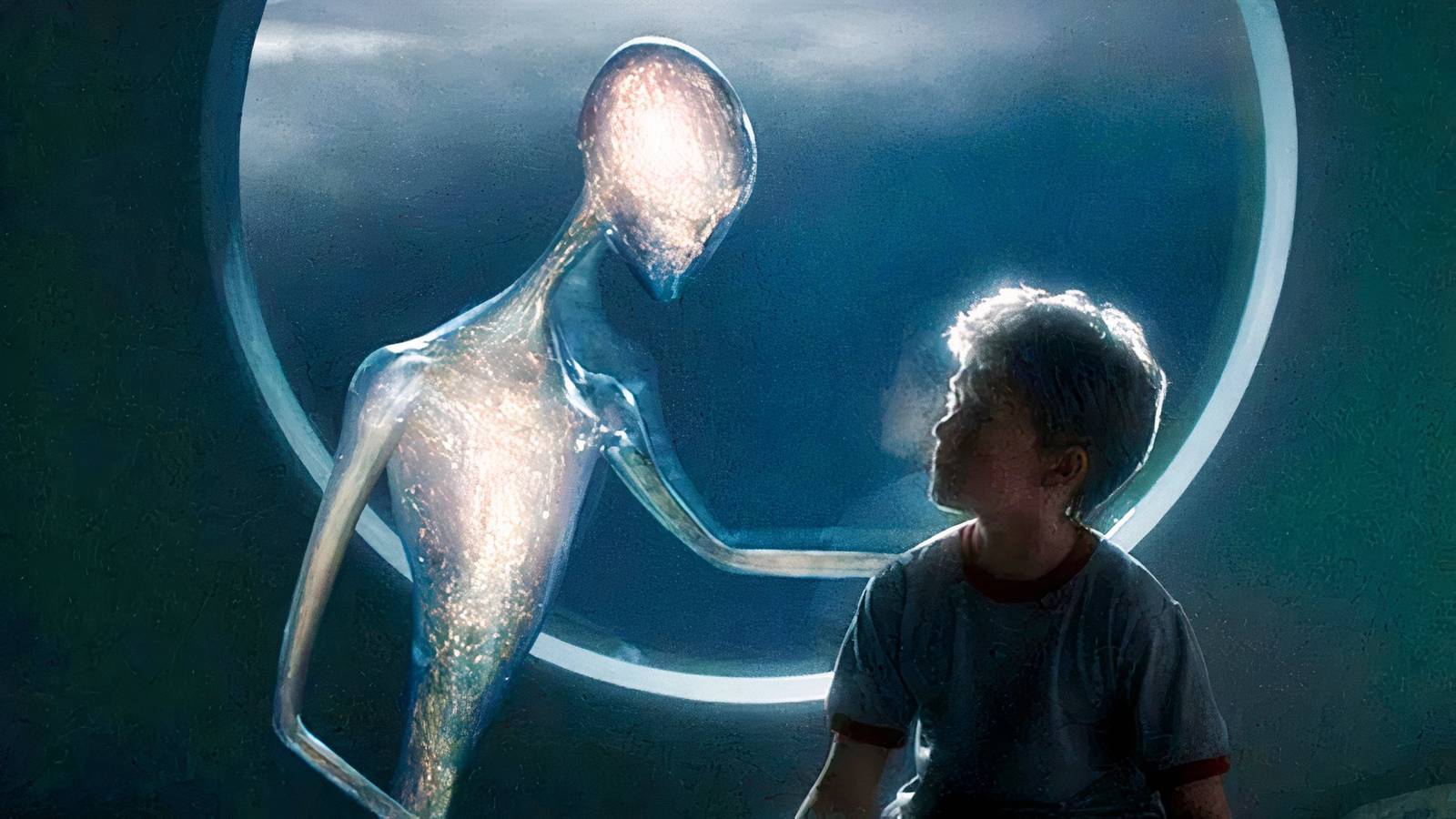
Stanley Kubrick spent years developing A.I.: Artificial Intelligence from Brian Aldiss’ short story “Super Toys Last All Summer Long.” He put the project on hold because he worried computer-generated effects could not convincingly bring its child character, David, to life. After Jurassic Park, Kubrick thought Spielberg’s storytelling suited the material and tried to pass it to him. Spielberg first declined, but took over as director after Kubrick died in 1999, aiming to respect Kubrick’s vision while bringing his own emphasis on emotional vulnerability.
A robot caught between worlds
Haley Joel Osment plays David, a child robot whose capacity to love his human mother cannot change. His performance pairs an unnerving artificial perfection with the innocence of a child. Jude Law plays Gigolo Joe, a figure in a society that treats artificial life as disposable entertainment.
The film’s visual design adds to its unsettling mood. Janusz Kamiński’s cinematography and Spielberg’s world-building create the neon-lit dystopian setting of Rouge City, while John Williams’ score uses a haunting, minimalist approach.
A reception shaped by expectations
A.I. drew mixed critical reactions and did not rank among Spielberg’s biggest box-office successes. It made $235 million worldwide, while its production cost was reportedly around $100 million.
Some viewers may have expected a heartwarming story about a boy trying to become real, closer to Pinocchio. Instead, the film offers a darker world that challenges childhood fantasies. Its final act has also been widely misunderstood, and some critics have argued that Spielberg softened Kubrick’s darker intentions.
A vision with lasting relevance
The film’s treatment of artificial life and technology has helped make it seem ahead of its time. Its portrait of a society that uses artificial beings as products carries a sharp social critique, while David’s programmed love anchors the story in human questions.
Spielberg’s earlier science-fiction films also anticipated aspects of later technology and science: Minority Report imagined gesture-based interfaces, targeted advertising and predictive surveillance, while Jurassic Park helped inspire real-life science. A.I. belongs among his less celebrated visions of the future.
Key points
- A.I.: Artificial Intelligence grew from a project Stanley Kubrick developed for years before Spielberg directed it.
- Haley Joel Osment plays David, a child robot programmed to love his human mother.
- The film earned $235 million worldwide, with a reported production cost of about $100 million.
- Its bleak tone and final act challenged audience expectations and fueled debate about Kubrick’s vision.