

In second setback, Alaska voters reject ballot measure seeking repeal of open primaries, ranked voting system
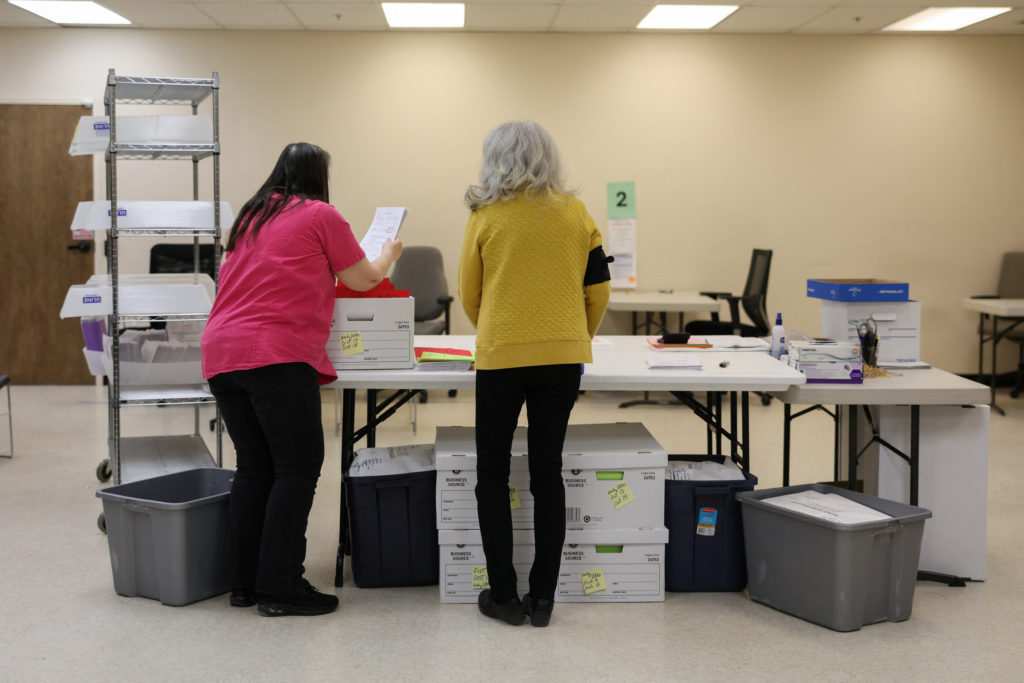
A second rejection
The measure was decided as part of the Nov. 3 election. It would have restored partisan primaries and general elections in which voters select only one candidate.
How the system works
In an open primary, candidates from all parties appear together on the ballot. The four candidates with the most votes advance to a general election using ranked choice voting.
Supporters say the system offers voters more choices and encourages candidates to build broader coalitions. They also say it has moderated the state Legislature, which has been governed by bipartisan coalitions in recent years.
Criticism and campaign pressure
Opponents, including President Donald Trump, have called the system confusing. Trump has criticized it for years, and Elon Musk was among the donors supporting the repeal effort. Political parties and campaigns have sometimes urged lower-placing primary candidates to leave the general election. They have done so in hopes of improving the prospects of candidates with higher profiles.
Key points
- Alaska voters rejected the latest effort to repeal open primaries and ranked choice voting.
- The current system was narrowly adopted in 2020 and first used in 2022.
- The top four primary vote-getters advance to the ranked choice general election.