

Diabetes crisis calls for people in South Africa at risk to be identified earlier
Silent disease, lasting harm
Type 2 diabetes, the most common form, develops when the body’s cells become less responsive to insulin. The hormone helps move glucose from the blood into cells for energy and directs excess glucose to the liver for storage.
People can have high glucose levels for years without noticeable symptoms. Over time, excess glucose can damage blood vessels and contribute to blurred vision and nerve, heart and kidney problems.
Screening remains uneven
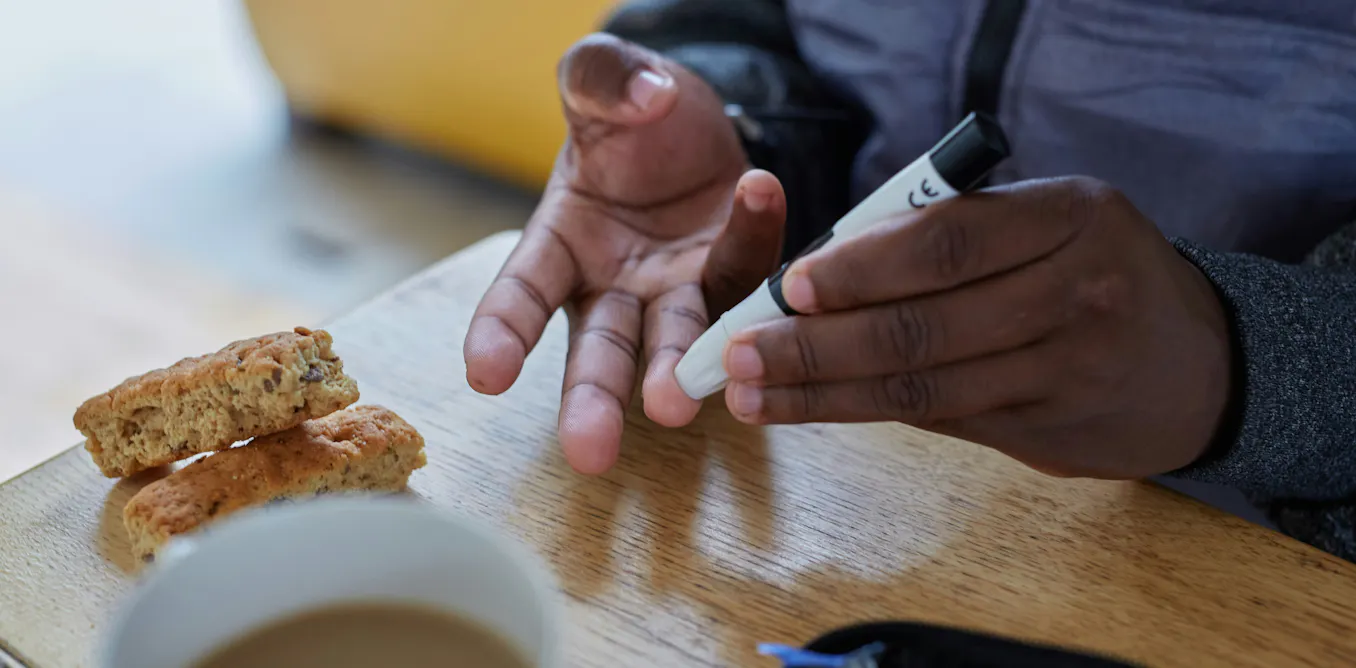
Routine screening and healthcare are not readily accessible in many communities. Where screening is available, it may be inconsistent or focused on people who already have complications; finger-prick tests are also not uniformly available, and testing quality is not always maintained.
South Africa uses four diagnostic tests: the oral glucose tolerance test, fasting glucose, random glucose and glycated haemoglobin, or HbA1c. Each has limitations: the oral test takes time and requires fasting, while random glucose can be affected by food and fasting results may vary.
Earlier identification options
The oral glucose tolerance test is considered the gold standard and can identify diabetes at an early stage. It involves fasting overnight, drinking 75 grams of glucose and waiting two hours for a second blood sample, making it difficult to use in primary healthcare settings.
Researchers at the SAMRC/CPUT Cardiometabolic Health Research Unit studied simple screening tools for clinics without laboratories. Their study found that measurements such as waist circumference could help identify people at risk, supporting a shift from symptom-led detection to risk-based screening.
HbA1c estimates average blood sugar over the previous two to three months and does not require fasting. International guidance uses a threshold above 6.5% to diagnose diabetes, but earlier research by the unit found that this level may miss early risk in mixed ancestry communities.
Key points
- An estimated 60% to 70% of people with diabetes remain undiagnosed.
- Diabetes can damage blood vessels for years before symptoms appear.
- Screening access and test quality are uneven across communities.
- Waist circumference may help identify people at risk in clinics without laboratories.