

What a Physicist’s 1960 Prediction Got Right About the World We Know
A forecast of population pressure
Heinz von Foerster’s 1960 paper in Science projected that population growth would continue toward infinity. He did not expect people to starve; he believed they would find ways to address food shortages. Instead, he wrote that people “will be squeezed to death,” according to von Foerster.
His forecast identified November 13, 2026, as the day humanity would reach its breaking point. The date has drawn renewed attention alongside a global Microsoft outage, though the outage is not evidence that the prediction is coming true.
Why the projection faltered
Von Foerster, like Thomas Malthus before him, extended past population trends into the future. Malthus argued in 1798 that population growth would eventually outstrip food supplies. Exponential growth can describe populations under specific conditions, such as bacteria in a controlled laboratory, but it does not continue indefinitely.
A long history of doomsday claims
Predictions of the world’s end stretch back at least to the first century CE. They have come from religious figures, astrologers and scientists, and many have named specific dates or events.
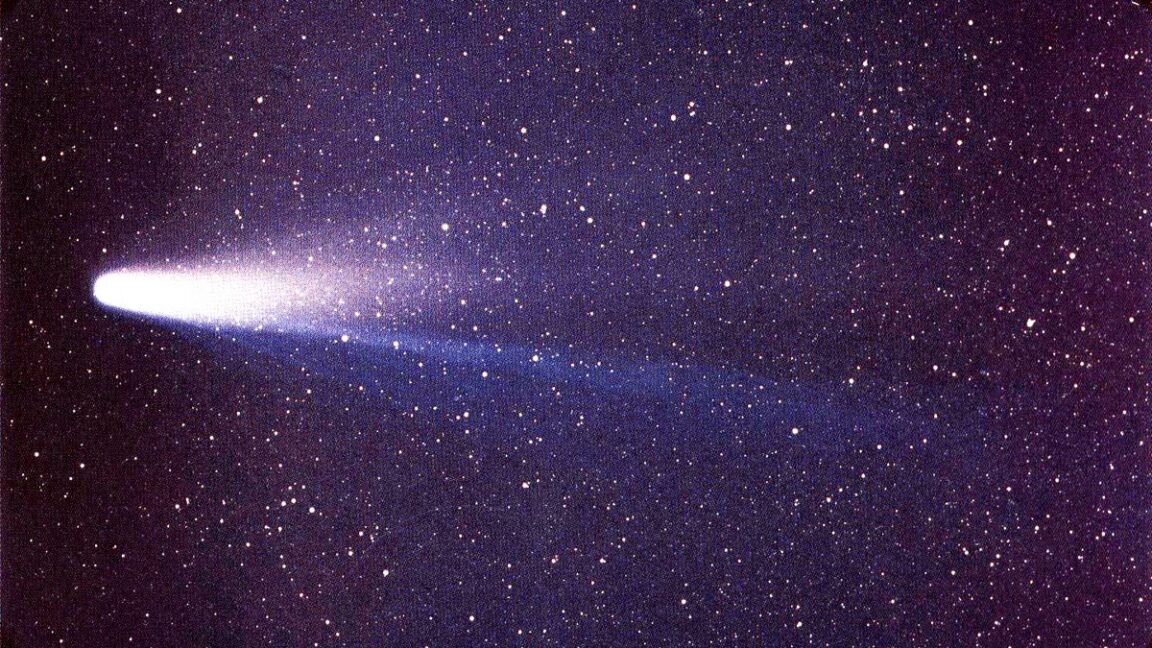
Examples include Martin Luther’s belief that the world would end by 1600, Cotton Mather’s revised dates, and physicist Jacob Bernoulli’s prediction that a comet would destroy Earth in 1719. Astrophysicist John Gribbin later distanced himself from The Jupiter Effect, a 1974 book that forecast catastrophes linked to aligned planets.
Key points
- Von Foerster’s 1960 forecast projected population growth toward infinity and a breaking point in 2026.
- Population growth slowed after the baby boom, and birth rates are now less than half their 1960 level.
- The forecast tracked population trends well through much of the 1970s and 1980s, then diverged around 1993.
- Past doomsday predictions have come from religious figures, astrologers and scientists.