

Can prescribing time in nature improve health? What the evidence is likely to show
What nature activities may offer
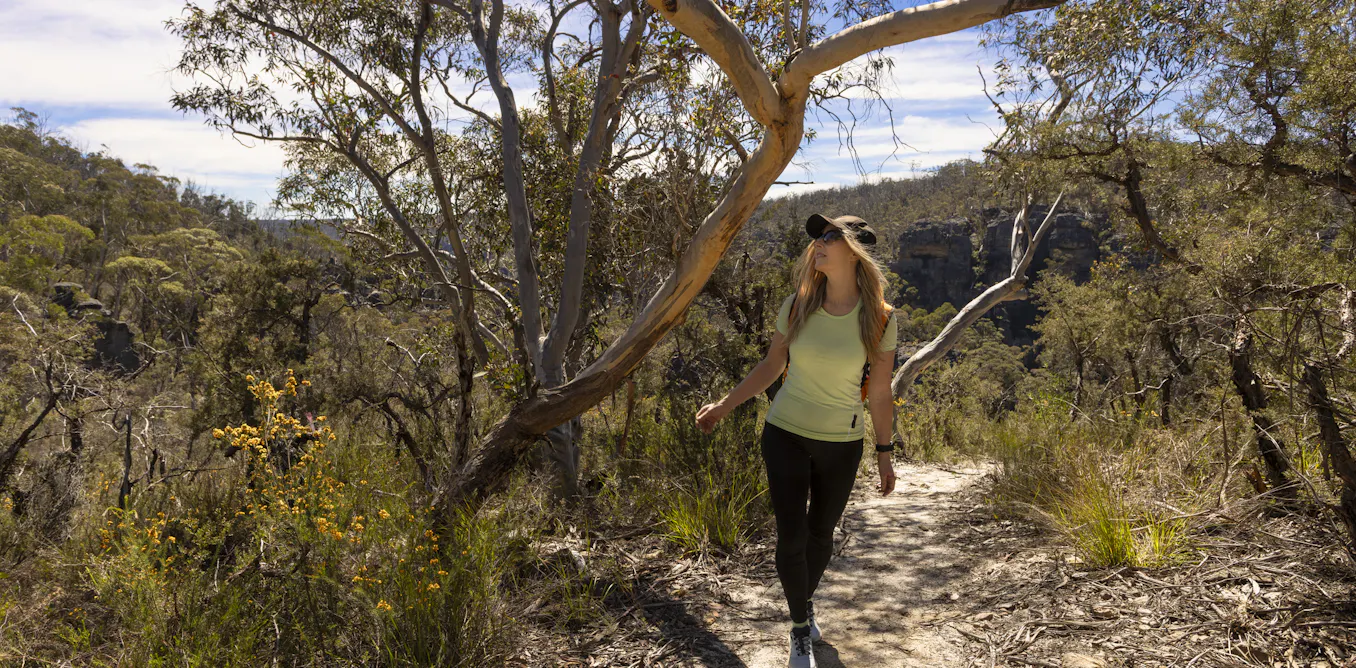
The Royal Australian College of General Practitioners has endorsed resources to help doctors recommend time in nature. Suggestions include a daily 20 minutes spent walking in a park, listening to birds or gardening for wildlife.
A review of 47 trials, involving almost 3,800 people, examined nature-based activities and mental health. Seventeen trials reported significant improvements, especially in depression, anxiety and stress; another 15 found benefits that were less consistent.
Researchers said the activities show promise, but called for stronger studies to establish longer-term effects. A separate review of 22 forest-based studies found improvements in blood pressure, heart rate variability and cortisol, while findings on blood sugar varied.
How much time is enough
Because the study was observational, it showed a relationship rather than proving that nature exposure caused better health. Researchers also do not know whether there is one ideal amount of time that works for everyone.
Does a GP recommendation help
Nature prescriptions are a type of social prescribing: health professionals direct people towards activities intended to support wellbeing. A recommendation could involve park walks, community gardening or joining a local conservation group.
A review covering 92 studies found that nature prescribing by health or social professionals improved blood pressure and mental health, and increased daily steps. But it remains difficult to separate the effects of nature from exercise, social contact or encouragement from a professional.
Practical limits for doctors
Studies differ in how programs operate, how patients are referred and which outcomes are tracked, limiting comparisons. These differences also make it harder to know which parts of a prescription may be responsible for reported gains.
Some GPs may not know the evidence well or which local services are available. Without that information, turning a general suggestion to spend more time outdoors into practical guidance can be challenging.
Aboriginal and Torres Strait Islander peoples have long understood health and wellbeing through connection to Country, including ties to land, waters, culture, community and identity. Research into nature prescribing is growing, but stronger evidence is still needed to clarify what works and for whom.
Key points
- Australian GPs have resources to recommend time in nature, including 20 minutes a day noticing the natural world.
- Reviews report potential mental health benefits and improvements in some physical health measures.
- The two-hour weekly benchmark comes from an observational study and does not prove nature caused better health.
- Different programs and limited local knowledge can make nature prescriptions difficult to assess and deliver.