

Six Distinct Worlds, From Wheel of Time to Deverry: 6 Classic Epic Fantasy Series Worth Reading Again
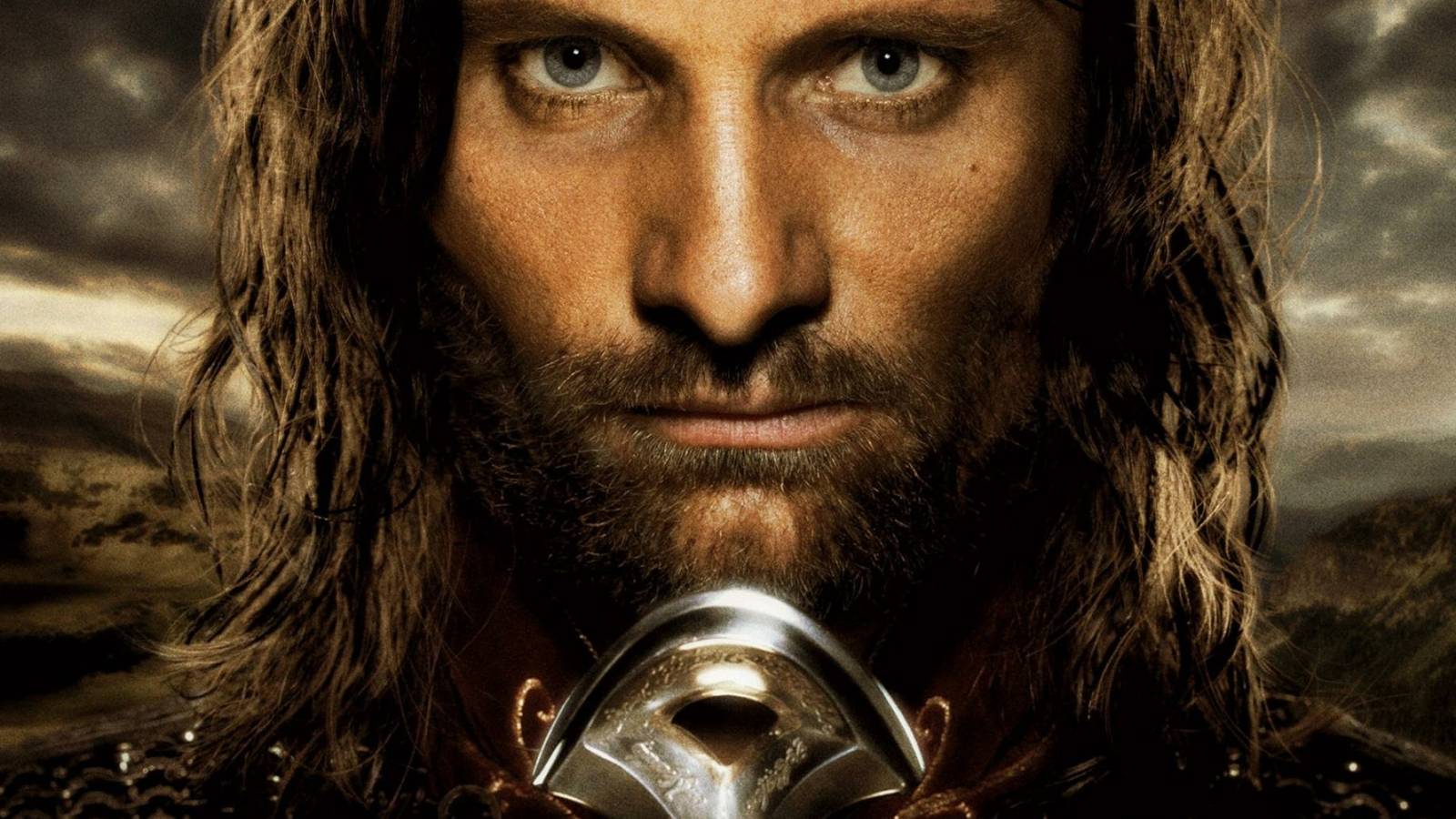
A genre shaped by Tolkien
J.R.R. Tolkien’s The Lord of the Rings helped establish modern epic fantasy. Later series have built on its example or pushed back against it, often through expansive worlds and long-running stories.
The genre has continued to grow, with authors including Andrea Stewart, John Gwynne and James Islington. Yet earlier classics remain inviting for readers drawn to intricate settings, magic and evolving characters.
Jordan’s vast Wheel of Time
Robert Jordan first envisioned The Wheel of Time as a trilogy, but the saga grew to 14 books and a prequel. Brandon Sanderson wrote its final three books from Jordan’s notes after Jordan’s death. The series has sold more than 90 million copies worldwide.
Rand al’Thor initially resembles a familiar Chosen One, but his power brings a struggle with magic’s darker side. Across the books, the world expands and characters develop in unexpected ways.
LeGuin’s changing Earthsea
Ursula K. Le Guin published A Wizard of Earthsea in 1968 as a standalone novel. She later expanded it into a trilogy, returned to the setting two decades later, and ultimately created the six-book Earthsea Cycle.
The series draws on Tolkien’s influence while building its own magic, lore and world. Its development across decades also makes it a way to follow how fantasy changed over time.
Martin’s answer to Tolkien
George R.R. Martin’s A Song of Ice and Fire offers a world and character arcs that go beyond what the Game of Thrones television adaptation showed. The books differ from the show, and the account describes the novels as the stronger story.
Martin admires The Lord of the Rings and has said he rereads it every few years. At the same time, he set out to react against fantasy imitators and familiar tropes, including the recurring Dark Lord.
Kerr’s cycle of lives
Katherine Kerr’s Deverry Cycle draws on Celtic mythology and takes a different path from Tolkien-inspired fantasy. Its central idea is that reincarnation gives people new chances to confront—or compound—past mistakes.
The saga follows Nevyn, a powerful sorcerer who is nearly immortal. Its story moves out of sequence, letting readers piece together recurring patterns and the world’s history over time.
Key points
- The Wheel of Time spans 14 books and a prequel, with more than 90 million copies sold worldwide.
- The Earthsea Cycle grew from a 1968 standalone novel into a six-book saga.
- Martin’s A Song of Ice and Fire both admires Tolkien and challenges familiar fantasy tropes.
- Katherine Kerr’s Deverry Cycle uses reincarnation and a nonlinear timeline.