

How Scientists Found an Answer to Why Polynesians Suddenly Sailed Across the Pacific After 1,700 Years
Evidence from ancient mud
The research team examined ancient mud preserved beneath swamps and lakes in Samoa, Tonga, French Polynesia and the Cook Islands. The evidence pointed to a severe drought that began shortly before the migration and persisted while it was underway.
As the Long Pause ended, Samoa and Tonga were undergoing their driest conditions in 2,000 years, while islands farther east were becoming wetter. Joshi said declining rainfall affected freshwater supplies, food production and community resilience, giving people reasons to look elsewhere.
Other pressures and new canoes
Drought was probably not the only factor. Sear said population growth added pressure to limited resources, while changes in canoe design and rigging may have supported longer voyages.
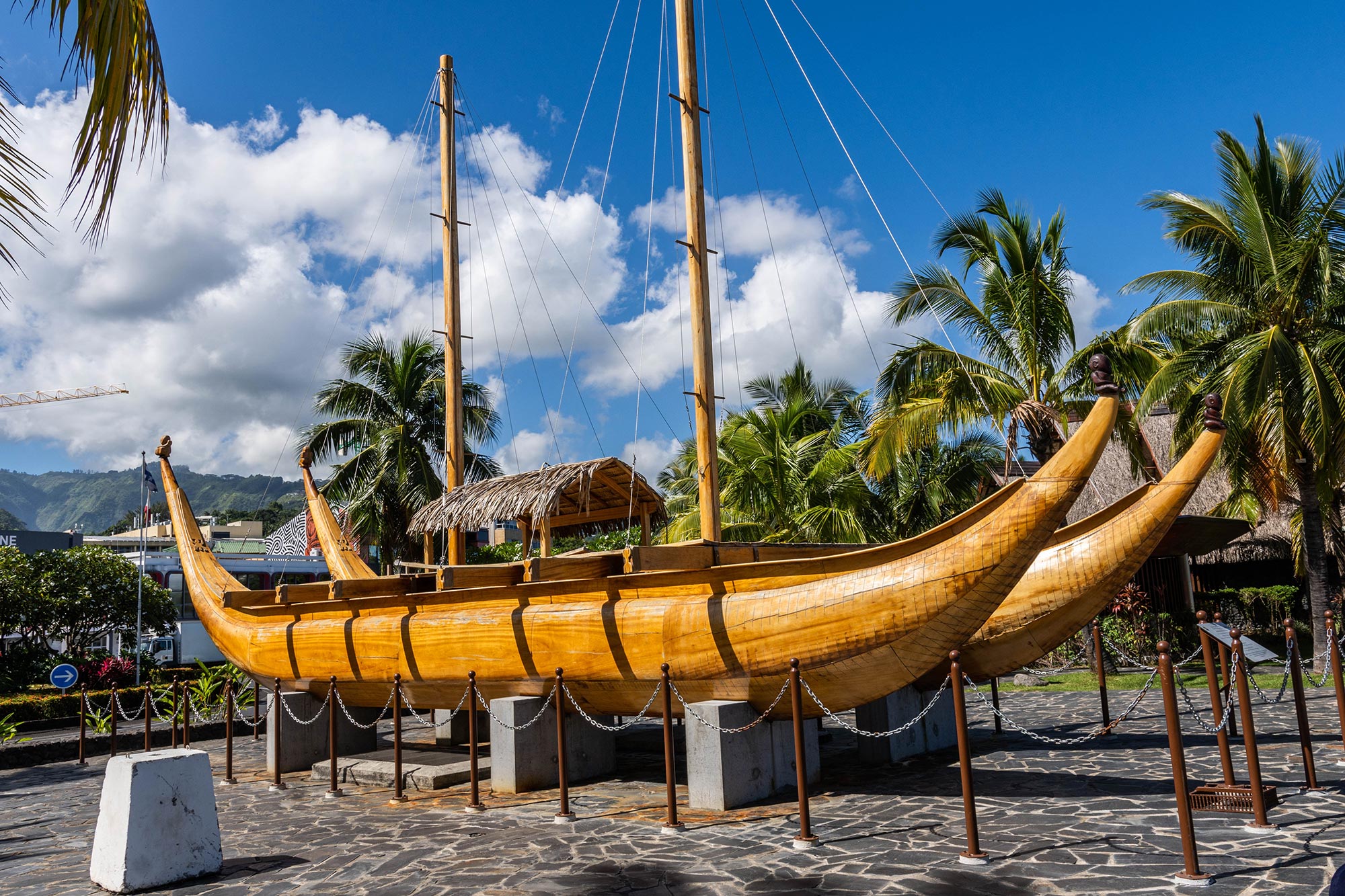
Polynesian sailors may have shifted from U-shaped to V-shaped hulls and improved their rigging. These changes could have helped them sail against prevailing winds, which generally move from east to west across the South Pacific.
Settlement spread rapidly
Sear described a large wave of migration that reached and settled islands across the South Pacific within 250 years. The destinations ranged from small coral atolls to larger islands.
The findings connect climate conditions with a sweeping change in human settlement. The story also has a cultural link to Moana, which recently returned to theaters in a live-action adaptation.
Key points
- A drought coincided with the end of the 1,700-year Long Pause.
- Samoa and Tonga faced their driest conditions in 2,000 years as eastern islands grew wetter.
- Population pressure and canoe improvements may also have encouraged migration.
- Sear said settlement across the South Pacific took place within 250 years.