

Scientists discover common sugar may help cancer cells break free and spread
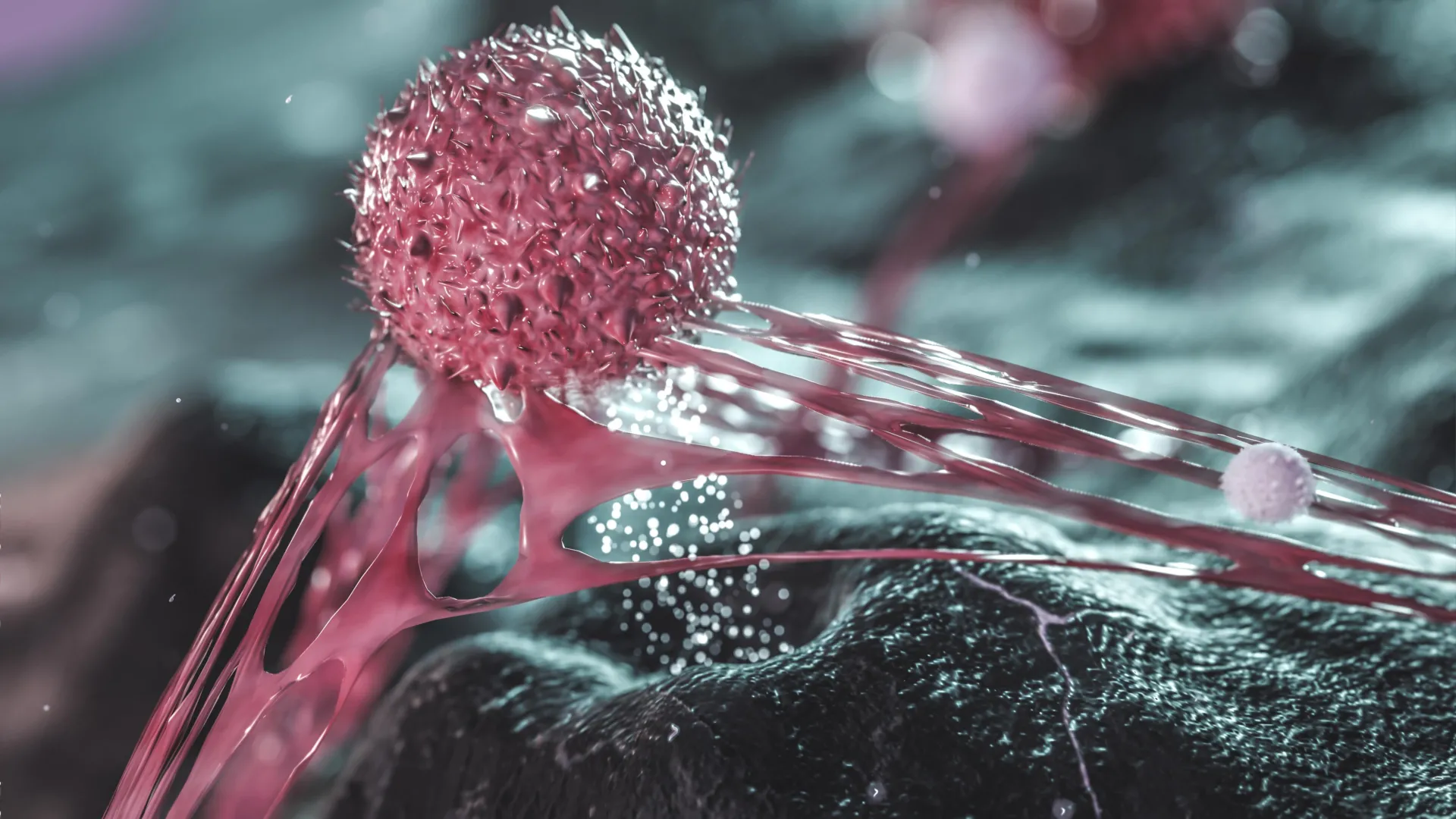
Signals from surviving cancer cells
Many people with ovarian cancer receive platinum-based chemotherapy, which damages cancer-cell DNA and prevents reproduction. Although patients may initially respond, the cancer often returns and can spread through the abdominal cavity.
Researchers at The Wistar Institute examined how cancer cells that survive treatment may affect neighboring cells, even when the survivors are no longer dividing. Aidan Cole, a postdoctoral fellow in Katherine Aird’s lab and the study’s first author, said these cells remain biologically active and release signaling molecules.
The team separated the surviving cells from the substances they released. In a preclinical model, the released substances alone significantly increased cancer spread.
Fructose acts as a messenger
The researchers identified fructose as one of the released substances. This naturally occurring sugar is found in fruit and honey, and is also part of table sugar and high fructose corn syrup.
What the findings mean
In the United States, high fructose corn syrup can make up approximately 8% to 20% of daily calories for some people. The researchers say the results raise questions about whether diet could influence cancer progression through this newly identified mechanism.
The experiments do not establish that sugar causes cancer to spread in people. Researchers have not tested whether lowering fructose improves outcomes for ovarian cancer patients, and further work is needed before specific dietary guidance can be made.
Key points
- Chemotherapy-surviving ovarian cancer cells released fructose that signaled nearby cells in preclinical experiments.
- The substances released by surviving cells increased cancer spread even when the cells themselves were separated out.
- High fructose intake promoted signals associated with spread in preclinical tests, including without chemotherapy.
- The findings do not show that sugar causes spread in people or that reducing fructose improves patient outcomes.