

Does Culture Shape How We Look at Art? Tracking Study Revealed in Sudan
A medieval site as a research setting
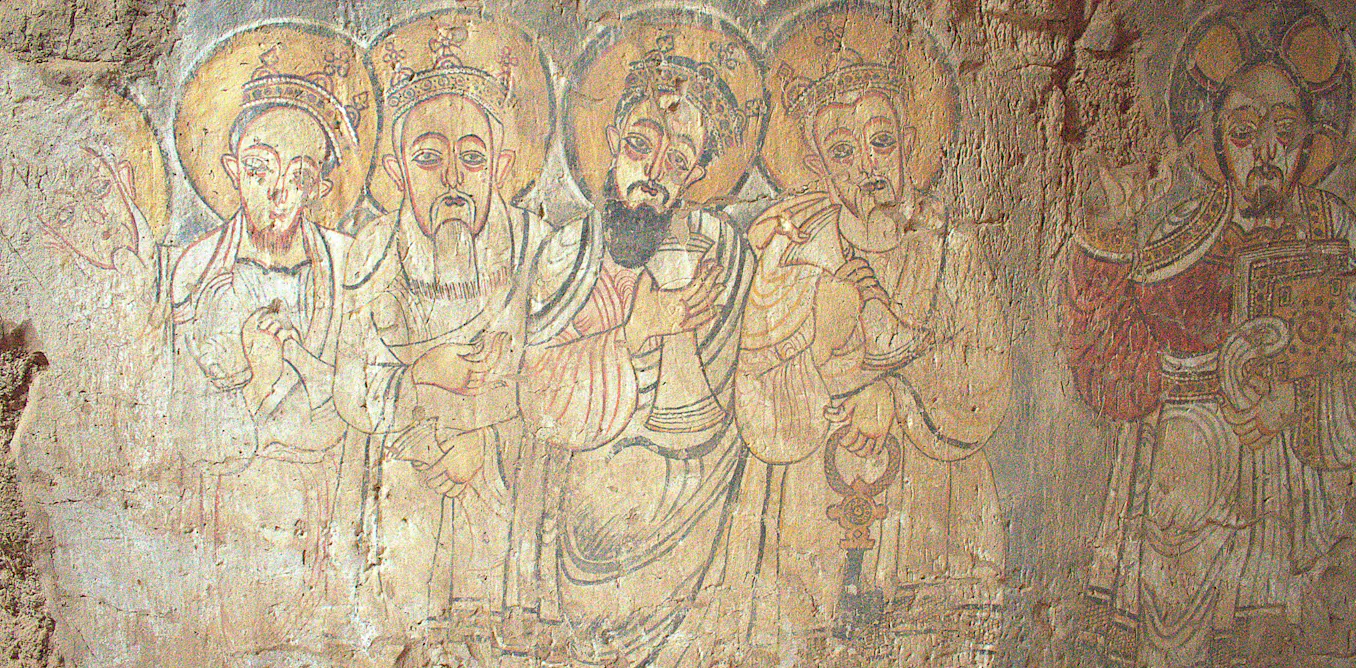
Old Dongola, on the Nile in northern Sudan, was once the capital of the Kingdom of Makuria. The kingdom adopted Christianity in the 6th century, and paintings of religious scenes, archangels and local leaders remain on walls beneath the desert.
Researchers from European and Sudanese institutions studied visitors’ gaze at a medieval monastery at Kom H. Participants wore eye-tracking glasses as they viewed the paintings, allowing the team to record where and for how long they looked.
Different patterns of attention
Western participants focused more on human figures, especially faces and bodies, before looking at objects, clothing or symbols. Sudanese participants first focused more on these attributes, then gave greater attention to faces and surrounding context.
Culture and familiarity may matter
The researchers said cultural background and experience can influence how people explore visual scenes. Knowledge of religious symbols, for example, may affect which details feel familiar or meaningful and attract a viewer’s attention.
The team noted that western participants included more people with higher education and heritage-related backgrounds. The study’s authors said the findings may help develop culturally adapted ways to promote heritage such as the paintings at Old Dongola.
Key points
- The study observed 48 Sudanese and 19 western participants viewing paintings at a monastery in Old Dongola.
- Western participants tended to look first at faces and bodies; Sudanese participants initially focused more on attributes such as objects and symbols.
- Researchers said the findings may inform culturally adapted heritage promotion.