

Michigan elects first Muslim senator as dozens win nationwide despite intense islamophobia: abdul sayed and representatives break down barriers
A historic election result
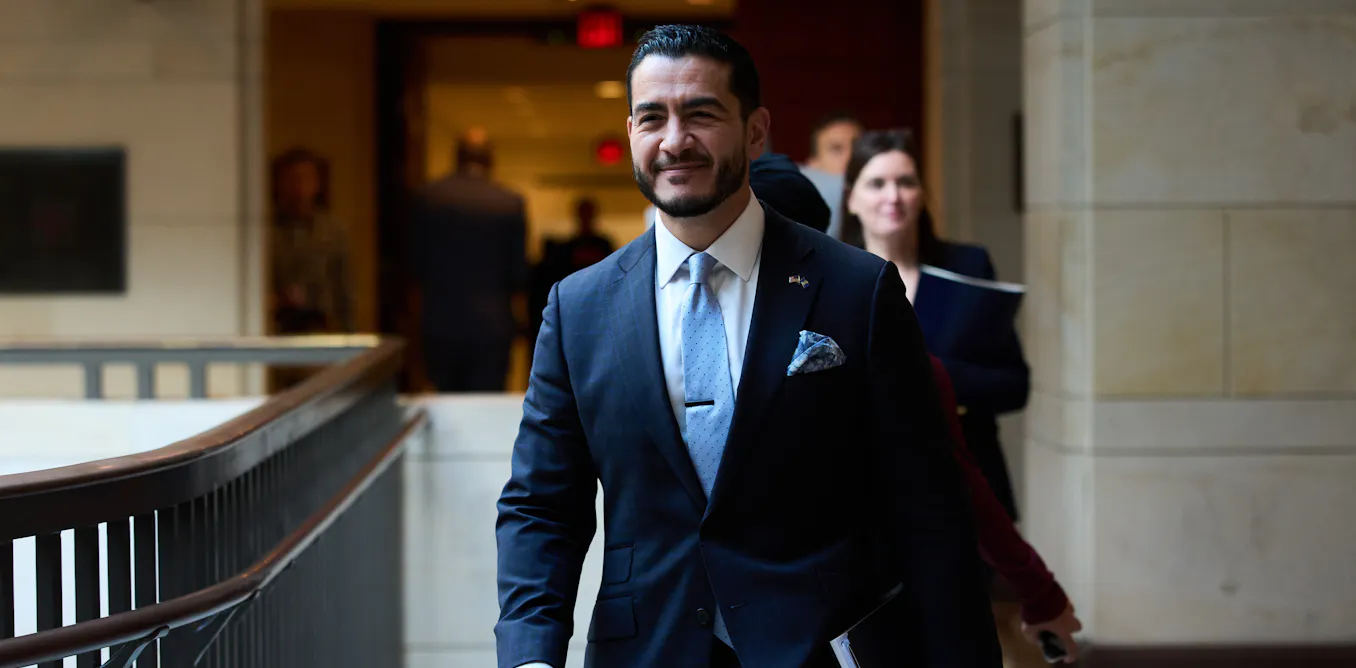
Michigan voters elected Democrat Abdul El-Sayed to the U.S. Senate on Nov. 3, 2026. He became the first Muslim to represent Michigan in the Senate, despite efforts to defeat his campaign.
He was among a record number of American Muslims who won midterm races. The Council on American-Islamic Relations counted at least 97 Muslim winners in federal, state and local contests.
Spending and attacks
Outside spending in the August Democratic primary reached nearly $70 million, with AIPAC and corporate special interests seeking to defeat El-Sayed. That amount was about 11 times his campaign spending.
In the November election, independent trackers recorded more than $134 million in spending by outside groups. El-Sayed also faced anti-Muslim rhetoric: Trump called him a “jihadist” and a “Muslim Brotherhood guy,” while Vance accused him of supporting Sharia law.
A stance on Gaza
El-Sayed opposed U.S. arms sales to Israel and criticized what he described as “blank-check military aid” to foreign countries. His position appealed to Arab and Muslim Americans who had moved away from the Democratic Party over the 2024 war.
After El-Sayed won the primary, anti-Muslim online posts aimed at him increased about twentyfold during the following week. He went on to win the Senate race.
Why representation matters
Political scientists describe descriptive representation as the election of officials who share characteristics with the people they serve, including religion, race, ethnicity or gender. Earlier research found that Black residents in cities with Black mayors were more politically engaged than Black residents elsewhere.
Other studies found that Black Americans with Black members of Congress were more likely to know their representative, contact them and recall their work for the district. Research on Muslims, meanwhile, links discrimination and fear of stigma with reduced public visibility and a weaker sense of belonging.
Key points
- El-Sayed became Michigan’s first Muslim U.S. senator after winning on Nov. 3, 2026.
- At least 97 American Muslims won federal, state and local races this year.
- Outside groups spent nearly $70 million in the Democratic primary and more than $134 million in the November election.
- Research suggests discrimination can lead Muslims to avoid public spaces and limit their online activity.