

AI investment added 0.3% to 0.4% to growth, helped UK defy expectations as economy resilience may fizzle
Growth beats gloomy forecasts
When John Healey became chancellor in July, forecasters expected Britain’s resilience to the Middle East conflict to fade. Treasury figures showed the most optimistic City analyst forecasting quarterly growth of 0.3%, while many expected growth close to zero and some warned of a possible recession.
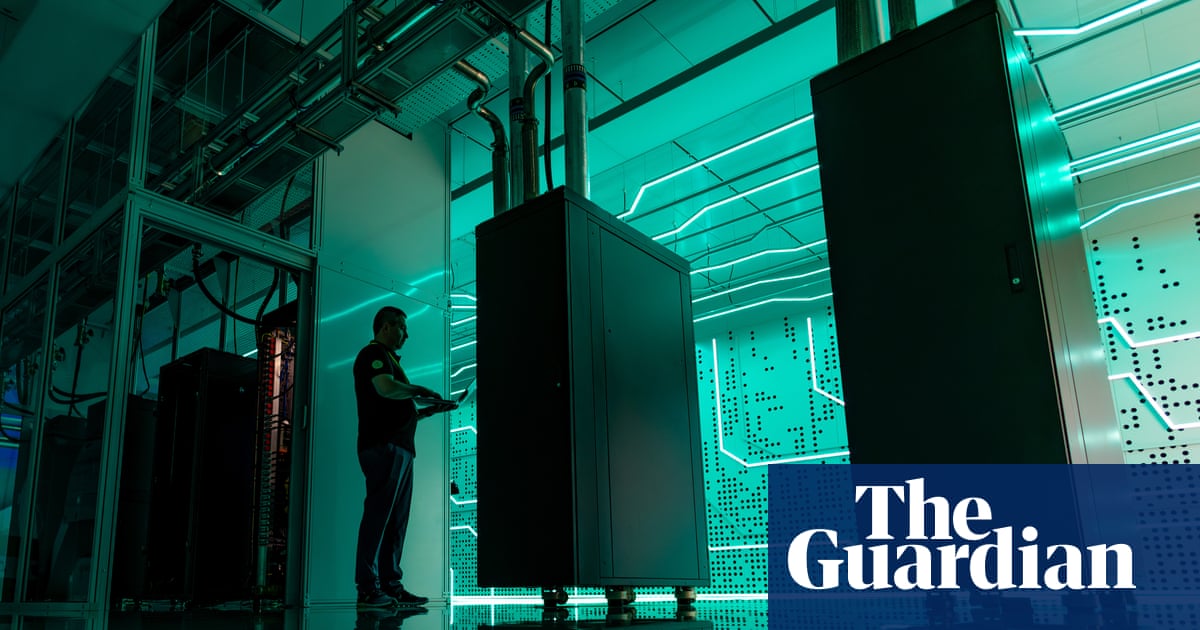
Instead, households continued to spend and business investment advanced, supported by the rollout of AI. Deutsche Bank estimates that AI-related spending contributed about 0.3% to 0.4% of GDP growth this year.
AI investment faces uncertainty
Healey is seeking to build on work by his predecessor, Rachel Reeves, to use AI and attract global business investment. But the outlook for the AI investment boom has become less certain following the US midterm elections and revelations at chipmaker Nvidia.
Financial markets have recently been shaken by concerns that AI stocks could be in a bubble. A slowdown in technology investment could weigh on the UK, although demand for AI is not expected to disappear overnight.
Households brace for higher bills
Energy bills are expected to rise by about a quarter in January. The average annual household bill for gas and electricity is forecast to exceed £2,000. Analysts say consumer spending is likely to face more pressure in the new year as households contend with higher costs. The article describes a difficult winter ahead for consumers.
Rate rises could restrain growth
Resilient growth may give the Bank of England more confidence to raise interest rates to tackle imported inflation. City investors expect at least two further quarter-point increases, taking rates to 4.5% before the end of next year.
Higher rates would slow economic activity and add to pressure on the cost of living. The article’s outlook therefore combines stronger-than-expected growth so far with risks from technology investment, energy bills and borrowing costs.
Key points
- AI-related spending is estimated to have added 0.3% to 0.4% to GDP growth this year.
- The average annual household energy bill is expected to exceed £2,000 in January.
- Investors expect at least two further quarter-point rate rises, reaching 4.5% before the end of next year.
- A slowdown in technology investment could weaken the UK’s economic resilience.