

How Veterans Groups Focus Attention on Traumatic Brain Injuries and Recovery
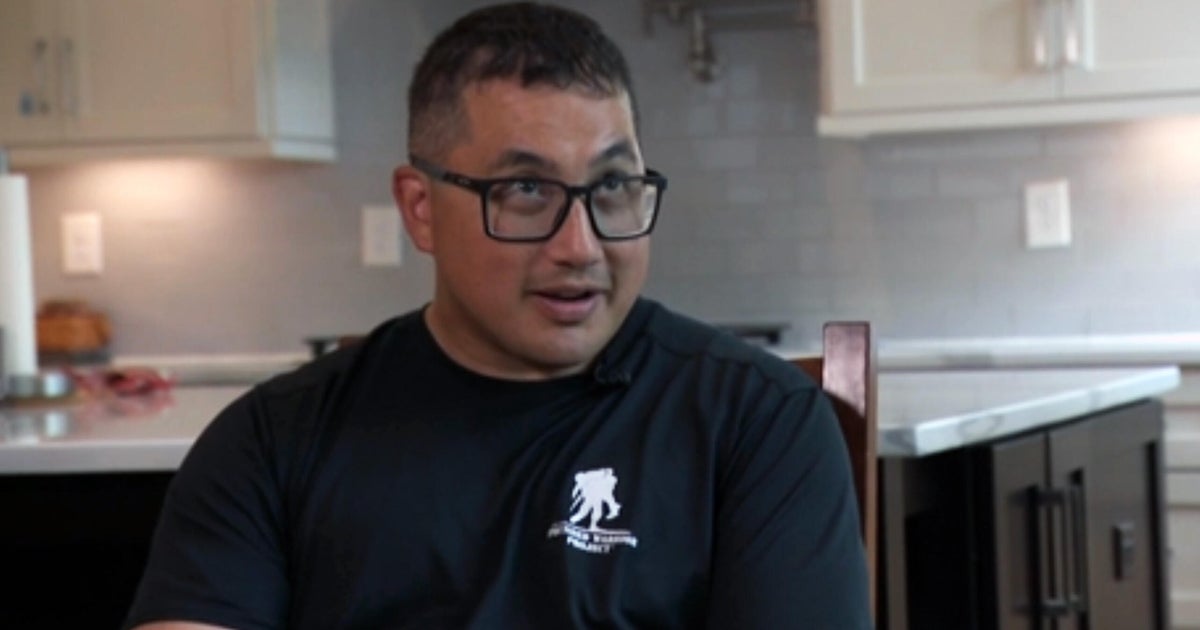
A long recovery after the crash
Army veteran Jon Kohl recalled hearing what he described as a mayday call before his helicopter crashed in Afghanistan in 2013. His mother, Micha Kohl, said seeing him afterward felt like a miracle. His father said Jon has difficulty remembering conversations and reading, but retains the music he knew before his injury.
Therapy for eligible veterans
The Wounded Warrior Project’s Independence Program supports veterans with moderate to severe brain injuries, spinal cord injuries or neurological conditions. The organization says its specialized therapies are free for veterans who qualify. Program director Kelly Parker said more than 530,000 service members and veterans have received a traumatic brain injury diagnosis since 9/11.
Symptoms and family support
Parker listed persistent headaches, memory and concentration problems, anxiety, depression, sleep disturbances, and changes in mood and behavior among common symptoms. The Kohl family encourages other families to act quickly to seek treatment. Support, hard work and perseverance have helped Jon move toward healing and inspire others.
Key points
- Jon Kohl survived a 2013 helicopter crash in Afghanistan and faced a difficult recovery.
- The Wounded Warrior Project offers eligible veterans specialized therapies at no cost.
- More than 530,000 service members and veterans have been diagnosed with traumatic brain injuries since 9/11.
- The Kohl family urges families to seek treatment promptly.