

Still exporting fossil fuels, Australia is heading UN climate talks: will the giant lead or deepen the problem?
A leadership test at COP31
Climate Minister Chris Bowen said renewable energy, grids, storage and electrification can improve resilience and energy security while lowering emissions. He said these technologies are commercially available and called for faster implementation.
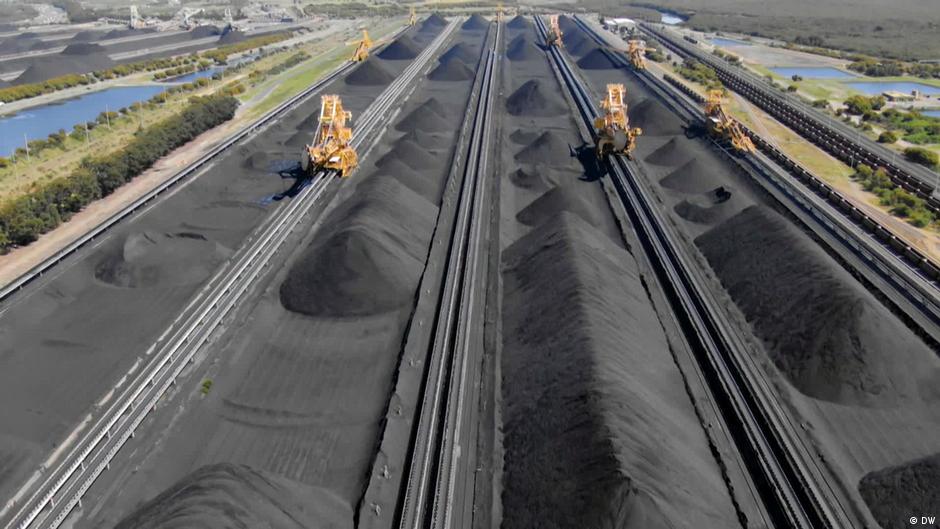
But Australia is the world’s third-largest fossil fuel exporter and has not committed to phasing out fossil fuels. Critics say its promise to transition away from polluting energy sources lacks a clear route.
Pressure to set a phaseout date
Environmental group 350.org says Australia is home to 56% of coal mine projects currently in the global pipeline. Andreas Sieber, the group’s head of political strategy, wants Australia to announce a coal phaseout date at COP31.
Melanie Pill, founder of the Australia-based Climate Project, said Australia should follow Germany’s example and commit to phasing out coal. She argued that ending fossil fuel production could also reduce exposure to volatile oil and gas markets.
Pacific neighbors that rely on diesel spend as much as 25% of GDP on fossil fuel imports, compared with 6% on health, according to a University of New South Wales report. Pill said energy security could help Australia make the case for a fossil fuel phaseout at the talks.
Export reliance draws criticism
Fossil fuel exports made up 80% of Australia’s total carbon footprint in 2022 and nearly 5% of global emissions, according to the article. Simon Bradshaw, Greenpeace Australia Pacific’s COP31 lead and climate expert, said new export approvals undercut Australia’s renewable energy progress.
Climate Analytics analyst Thomas Houlie said a country cannot credibly lead on climate internationally without putting its own policies in order. In the west of Australia, the government last year approved extending a major gas export project until 2070; Albanese cited energy supply security and support for emissions-reducing transition.
Pledges and policy gaps
Critics say those international commitments are not reflected in Australia’s resources policy or the domestic rollout of clean power infrastructure. The debate over Australia’s role at COP31 therefore centers on whether it can turn its pledges into action while continuing to export fossil fuels.
Key points
- Australia will lead COP31 negotiations in Turkey but has not committed to phasing out fossil fuels.
- The country is the world’s third-largest fossil fuel exporter, and 350.org says it has 56% of coal mine projects in the global pipeline.
- Pacific neighbors spend up to 25% of GDP on fossil fuel imports, according to a University of New South Wales report.
- Australia joined 56 countries in pledging to develop a fossil fuel exit roadmap, while critics point to continued domestic project approvals.