

GLP-1 Drugs Popular for Weight Loss Face FDA Warning Over Rare Vision Side Effect
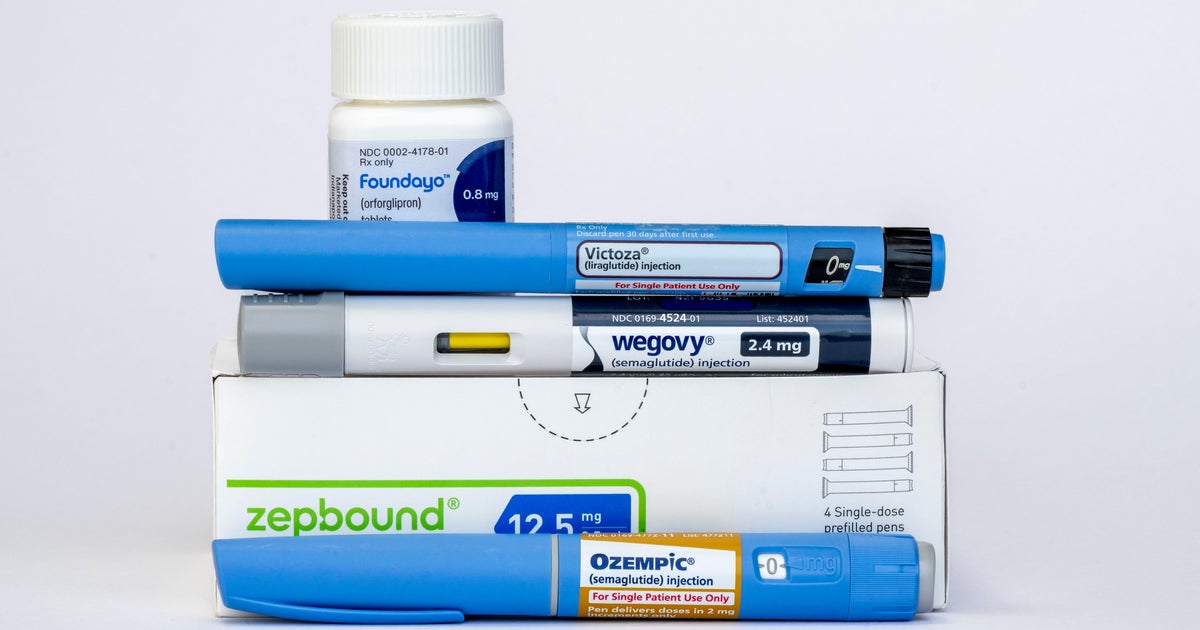
FDA Adds Eye Risk Warning
The warning applies to GLP-1 medicines used for weight loss and diabetes, including Ozempic and Wegovy. The FDA said NAION has been reported with all drugs in this class.
NAION occurs when blood flow to the optic nerve decreases, though the underlying cause is not understood. The condition can bring substantial vision loss and may sometimes lead to permanent impairment.
Rates Remain Low
NAION can also affect people who do not take GLP-1 drugs. The American Academy of Ophthalmology estimates it occurs in 2 to 10 of every 100,000 adults over age 50.
Companies Respond, Symptoms Listed
Novo Nordisk, which makes Ozempic and Wegovy, said it believes the evidence does not establish a cause-and-effect link and remains confident in the medicines’ benefit-risk profile. Eli Lilly, maker of Zepbound and Mounjaro, said it was evaluating the update and would respond to the FDA promptly.
The FDA lists blurred vision, blind spots, distorted colors and other visual disturbances as possible symptoms. The agency advises patients who experience them to contact a health care professional immediately.
Vision Loss Can Be Difficult
Dr. Joseph Rizzo, a neuro-ophthalmologist who co-authored a paper on the issue, said he had worked with his team and the FDA to review data. He told CBS News he was not surprised by the agency’s decision to add a warning.
Rizzo said vision may improve only modestly after loss, and doctors do not know how to reduce NAION risk. He also cautioned that the degree of loss in one eye does not predict how severe it may be in the other.
Key points
- GLP-1 medicines will carry an FDA warning about rare NAION-related vision loss.
- The FDA review found about 6 cases per 100,000 long-term GLP-1 users.
- NAION also occurs among adults over 50 who do not take GLP-1 drugs.
- People with blurred vision or other visual changes should contact a health professional immediately.