

Iron, Scientists Uncover Potential Game Changer for Clean Energy Storage
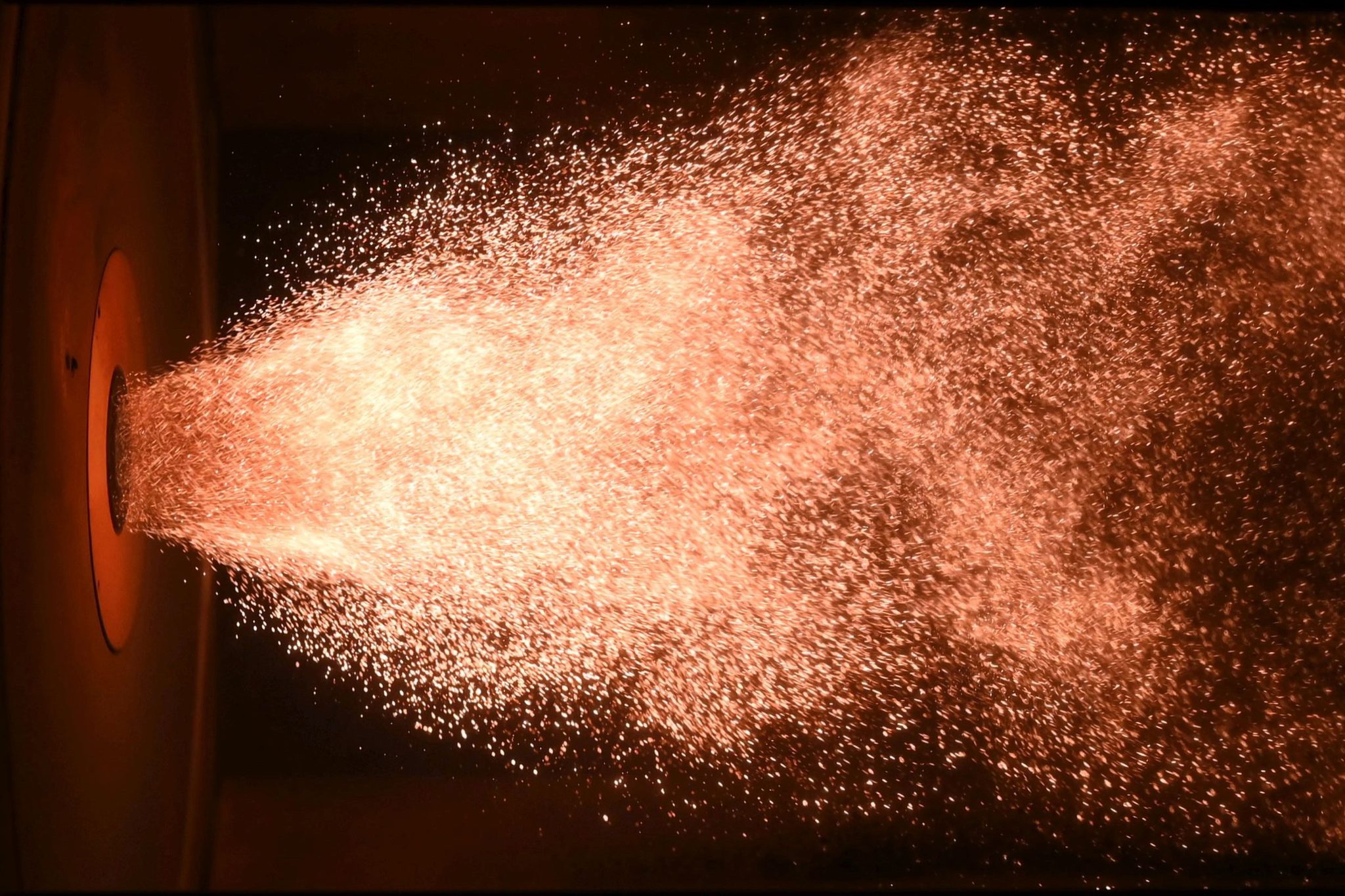
How the iron cycle works
Iron powder can be burned to produce heat, leaving iron oxide, or rust. Hydrogen made using renewable energy can remove oxygen from the rust and restore the iron for reuse.
Schuler said the cycle releases no carbon dioxide or environmentally harmful substances. The approach could store renewable energy in a form that can be transported and used later.
Modeling where it could help
KIT scientists extended the PERSEUS energy model, drawing on findings from the Clean Circles research project. The expanded model included iron-fueled power plants, iron-regeneration facilities, and the infrastructure needed to store and transport the material.
A study funded by Stiftung Energieforschung Baden-Württemberg found the greatest benefits in countries with limited hydropower or few suitable sites for underground hydrogen storage. Iron could help maintain electricity supplies during extended periods of low wind and solar output, while easing pressure on hydrogen pipelines and import facilities when capacity is constrained.
Research and publication
Schuler described iron as a potentially distinctive but economically meaningful contributor to climate neutrality and reliable renewable energy supplies. The study, “A new iron age? The potential role of iron fuel in Europe’s clean energy transition,” was written by Julia Schuler, Armin Ardone, Viktor Slednev and Wolf Fichtner. It appeared in Chem Circularity on 8 June 2026, with DOI 10.1016/j.checir.2026.100047.
Key points
- Iron powder can be burned for heat and regenerated from rust using renewable hydrogen.
- Researchers modeled iron-fueled plants, regeneration facilities, storage and transportation infrastructure.
- The modeled benefits were greatest where hydropower and underground hydrogen storage are limited.