

US School Closures Are Accelerating as Financial Pain Lies Ahead
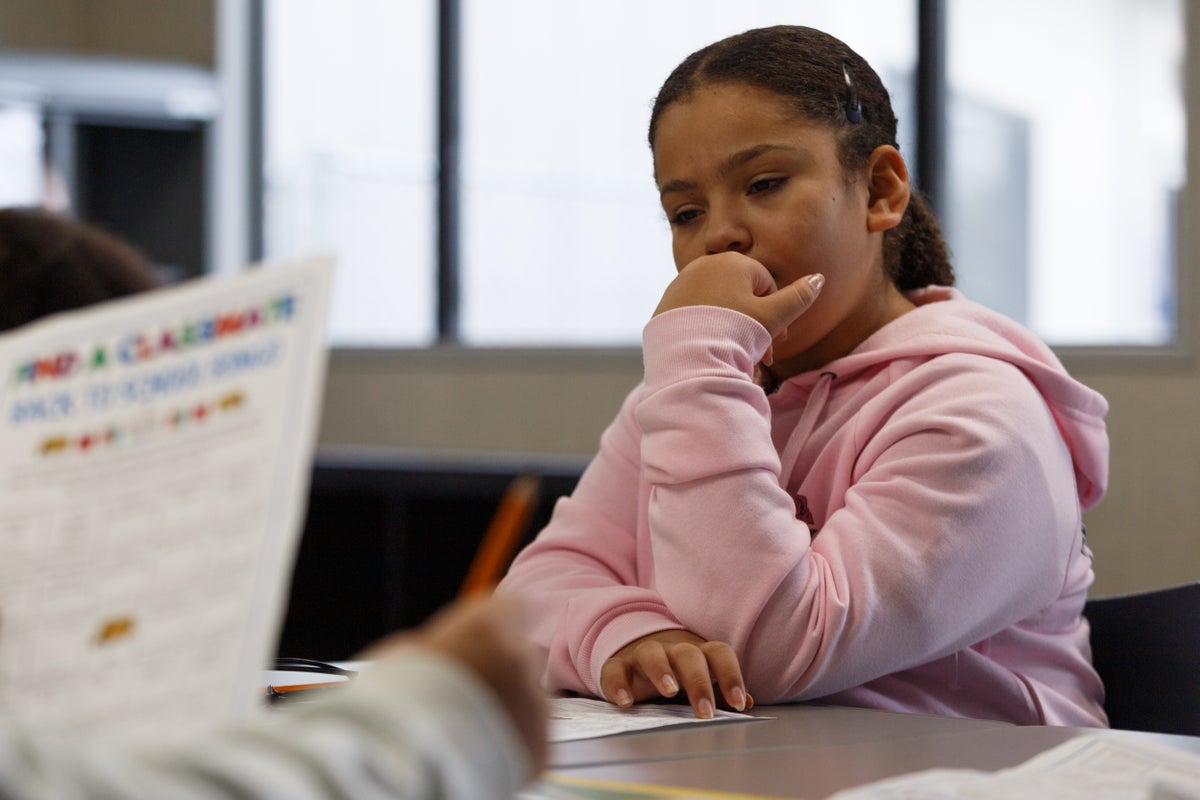
A difficult start in Vallejo
Before the first bell at Glen Cove Elementary, Penny Núñez-Brandão looked through the crowd for people she knew. She was starting the year at a new school after her previous one closed, a transition shared by thousands of students around the country.
Vallejo City Unified School District has closed five campuses since 2025, equal to a quarter of its schools. Leaders have also considered cutting up to a third of staff positions as they address a $36 million deficit.
Closures lag enrollment declines
The number of schools has fallen only to around pre-pandemic levels, researchers found. Vallejo enrollment dropped from nearly 18,000 students in fall 2006 to about 9,300; district schools are, on average, 46% full.
Budgets face lasting pressure
Vallejo’s enrollment losses come as birth rates decline and education funding falls. The district also faced the end of temporary COVID-19 relief funding, rising inflation and contractual pay increases, while enrollment was expected to keep dropping.
Superintendent Rubén Aurelio said cuts and closures are difficult for families but needed to adjust districts and budgets to changed circumstances. The article also points to districts in Cleveland, Houston and Philadelphia facing closures.
Savings can prove elusive
Closing schools may bring costs for transporting students, severance for laid-off staff and security at vacant buildings, limiting the money saved. Closures can also harm students’ academic progress and make it harder to attract teachers concerned about job stability.
Key points
- A total of 1,156 schools closed during the last academic year, the highest number since the pandemic.
- US public school enrollment fell by more than 1.4 million students between fall 2019 and 2024.
- Vallejo has closed five campuses since 2025 and faces a $36 million deficit.
- Transport, severance and security costs can reduce the savings from closing schools.