

Why Outdated Power Grids Are a Major Hurdle to the Renewable Energy Transition
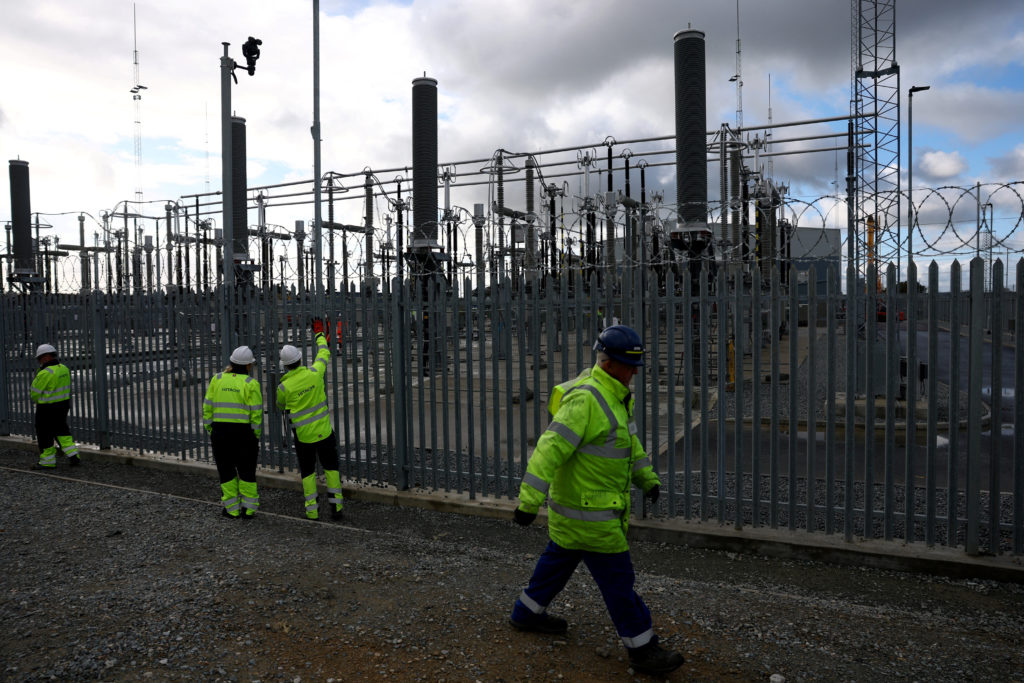
Grids lag behind clean power
Many electricity networks were designed for large, centralized power plants, sending energy in one direction to consumers. Rising demand and expanding renewable generation are putting those systems under strain.
When a grid reaches its safe capacity, operators may require wind and solar farms to reduce output, a practice called curtailment. That leaves some available clean electricity unused while fossil fuels continue to provide power.
Investment gap grows
The International Energy Agency says annual spending on electricity generation has increased nearly 70% since 2015, reaching $1 trillion. Grid investment has grown at less than half that rate, with current annual spending at $400 billion.
The agency estimates grid investment needs to rise by about 50% to meet electricity demand through 2030. It warns that delays will substantially increase global emissions by prolonging fossil-fuel use.
At September’s U.N. General Assembly, the global body launched the Global Grids Accelerator to spur infrastructure funding in Africa and Southeast Asia. The U.N. initiative is intended to rally money for upgrades in those regions.
Curtailment in China and India
India curtailed 11 terawatt-hours of solar generation over 15 months spanning 2025 and 2026, the energy think tank Ember reported. That was enough electricity to power about 10 million homes, with insufficient transmission and storage capacity cited as the reason.
James Abraham of the New Delhi-based Council on Energy, Environment and Water said curtailment while fossil fuels still supply electricity harms climate efforts. China and India are among the world’s largest emitters, he noted.
Calls for grid transformation
The U.N. climate talks, hosted in Antalya, are co-hosted by Turkey and Australia. Organizers call modern, reliable grids the backbone of a clean energy system, while the two countries seek more ambitious goals for cutting fossil fuels, installing renewables and upgrading networks.
Selwin Hart, the U.N. secretary-general’s special adviser on climate action, said investment in grids must scale up substantially to meet climate, energy and development goals. He also said infrastructure, grids and storage need to keep pace with the energy transition.
More flexible grids could adjust electricity flows to supply and demand, moving surplus solar and wind power to areas with greater demand and fewer energy resources. Oxford University professor Jan Rosenow said the grid had become a bottleneck after years of complacency.
Key points
- Older grids can limit the amount of solar and wind electricity that reaches consumers.
- The IEA says annual grid investment must rise about 50% from $400 billion to meet demand through 2030.
- China and India have curtailed renewable electricity because of capacity constraints.