

Well, Someone Printed a Whole Engine That Actually Ran—Sort of, Jalopnik Reports
Why Plastic Faces Limits
Plastic can insulate well, but it melts at temperatures far below the hottest conditions inside an engine. ABS melts at about 440 degrees Fahrenheit, while many available PLAs melt at roughly 340 degrees. A running engine's oil or coolant temperatures are typically in the low 200s, but combustion chamber temperatures can reach 2,500 degrees during peak power.
That gap is why engines are generally made from cast iron or aluminum. Plastic has been used extensively in some designs, including Polimotor Research's Torlon-based engines in the 1970s and 80s, but the article says plastic alone cannot withstand combustion heat spikes.
Where Metal Remains Necessary
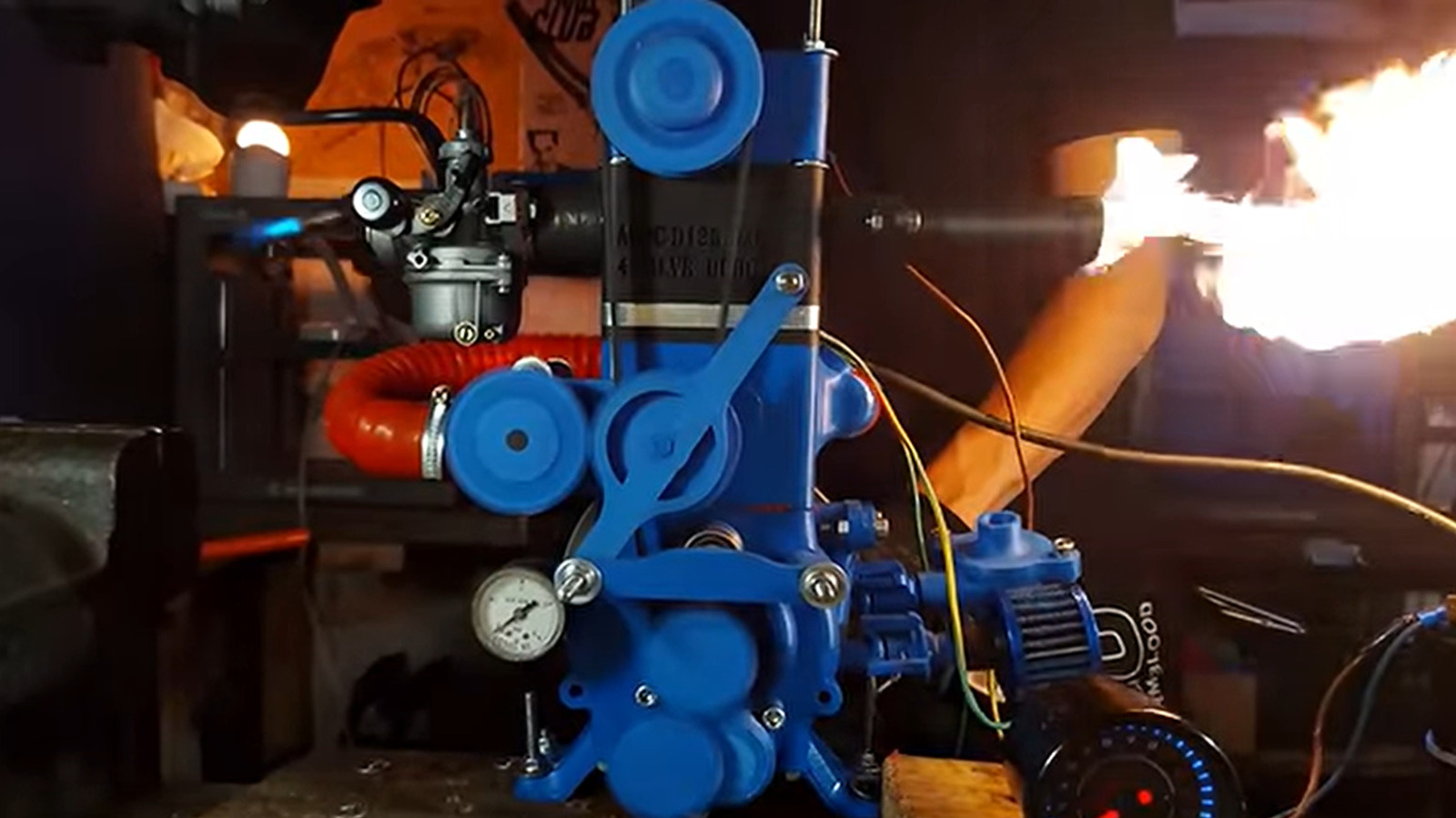
Alexander's builds combine printed plastic with machined steel and other metal parts. The single-cylinder engine used steel for its cylinder walls and combustion chamber surface, providing sealing surfaces for metal valves and a place to thread in a standard spark plug. Its crankshaft and piston surface were also metal.
A full-scale engine would still need metal for major heat-exposed components such as the combustion chamber, cylinder head, pistons and crankshaft. Bearings, valves, springs, hardware, water-pump components and accessory-drive pulleys would also need to be addressed.
Potential Gains From Printing
The article describes a future in which common engine parts could be stocked locally and other components printed at home. That possibility could reduce the time and expense involved in sourcing and assembling an engine, though it remains a vision rather than a demonstrated system.
Recent research cited in the article indicates that replacing a metal component with a 3D-printed plastic one can cut weight by 30% and cost by 15%. Structural lattice designs could potentially reduce weight further or improve coolant flow to hot areas. Alexander made even the water pump and drive gears from plastic, though the article favors metal for those parts in a full-scale engine to improve longevity.
The Engine Runs, Then Fails
Alexander built both a single-cylinder engine and a parallel twin. The single-cylinder test had problems with sparks and grounding because the plastic engine was nonconductive. Once adjusted, it sounded like a typical four-stroke engine used in a lawnmower or go-kart.
Alexander increased the throttle until the engine failed. The article does not say how long it ran, and its final sentence is cut off after noting that a carbon-reinforced component was involved.
Key points
- Alexander's Laboratory built and ran a 3D-printed plastic single-cylinder engine and a parallel twin.
- The single-cylinder engine needed metal cylinder walls, a combustion surface, crankshaft and piston surface.
- Plastic engine parts could reduce weight by 30% and cost by 15%, according to research cited in the article.
- The single-cylinder engine ran like a typical four-stroke before it eventually failed.