

Experts warn reintroduction of white tailed eagles puts seabird colonies at risk of wipeout
A divided conservation debate
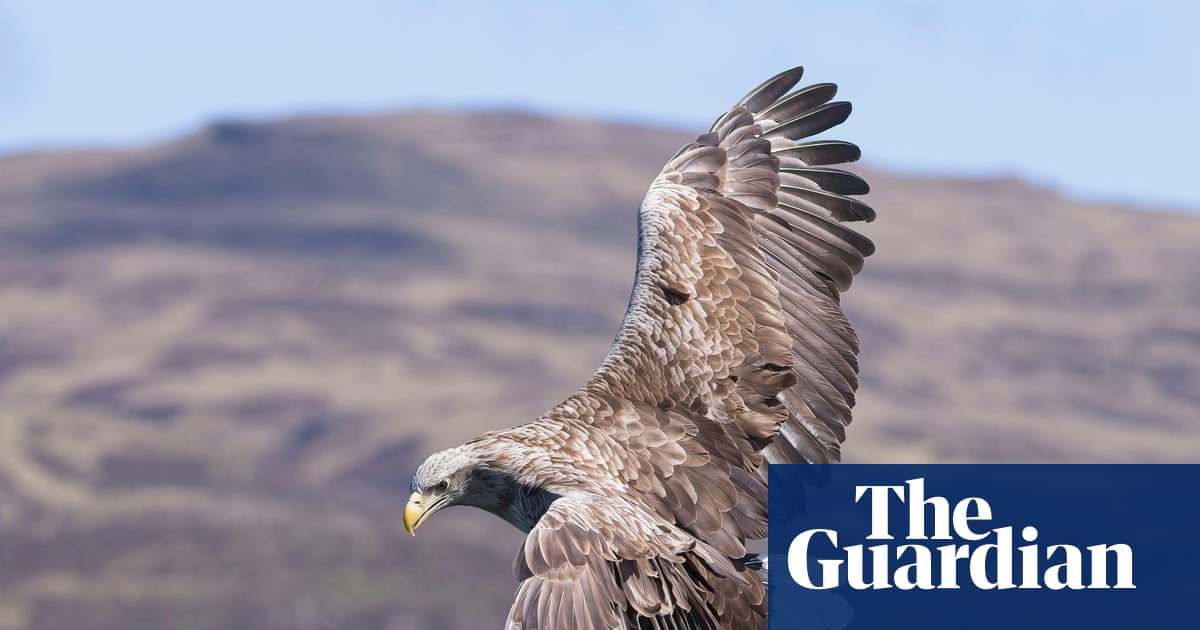
White-tailed eagles have returned to parts of the UK, but Wales has not yet restored the species. The Gwent Wildlife Trust supports a proposed reintroduction in Gwent; the Wildlife Trust of South & West Wales (WTSWW) opposes it.
WTSWW chief executive Sarah Kessell said the group was increasingly concerned about evidence of impacts on cliff-nesting seabirds. Tim Birkhead, an emeritus professor at the University of Sheffield, said the possible effects on seabird colonies had been overlooked amid enthusiasm for reintroduction.
Warnings about seabird impacts
In evidence submitted against the Gwent plan, Stephen Votier, a professor at Heriot-Watt University, said white-tailed eagles can severely affect seabird populations. He said the birds may disrupt social aspects of breeding, leaving seabirds especially vulnerable.
Birkhead, who has studied guillemots on Skomer since 1972, said he would welcome the eagles’ return but wanted evidence from Scandinavia considered. He said research there had linked the predators with seabird colonies moving closer to extinction.
Evidence from northern Europe
Annette Fayet and Tycho Anker-Nilssen, co-authors of a study, said Røst had only two to three breeding pairs of eagles, but many immature birds gathered there and disturbed nesting seabirds. Roger Morgan-Grenville said rising eagle numbers on the Baltic coast were consistently associated with lower cormorant breeding success. He also described similar negative effects on northern gannets and kittiwakes in western Norway.
Diet and UK recovery
Hilton described white-tailed eagles as generalist feeders whose diets include carrion, fish and small mammals. A 2020 study of eagles east of the Baltic Sea found that EU birds of particular conservation concern accounted for about 1% of identified prey in a long-term diet study.
Eagles brought from Norway helped re-establish the species in Scotland from 1975, where the wild population now stands at 200 breeding pairs. Since 2019, 45 birds have been successfully reintroduced to the Isle of Wight; the first English-born wild bird fledged in East Sussex in 2023, despite repeated illegal killing of the predator.
Key points
- Gwent Wildlife Trust supports the proposed reintroduction, while WTSWW opposes it.
- Some experts warn eagles could disrupt breeding and threaten seabird colonies.
- A 2020 diet study found conservation-concern birds made up about 1% of identified prey.
- The UK now has 200 breeding pairs in Scotland, and 45 eagles were reintroduced to the Isle of Wight since 2019.