

Kevin Costner’s Tombstone Replacement Still a Masterpiece 32 Years Later, With a Wider Wyatt Earp Portrait
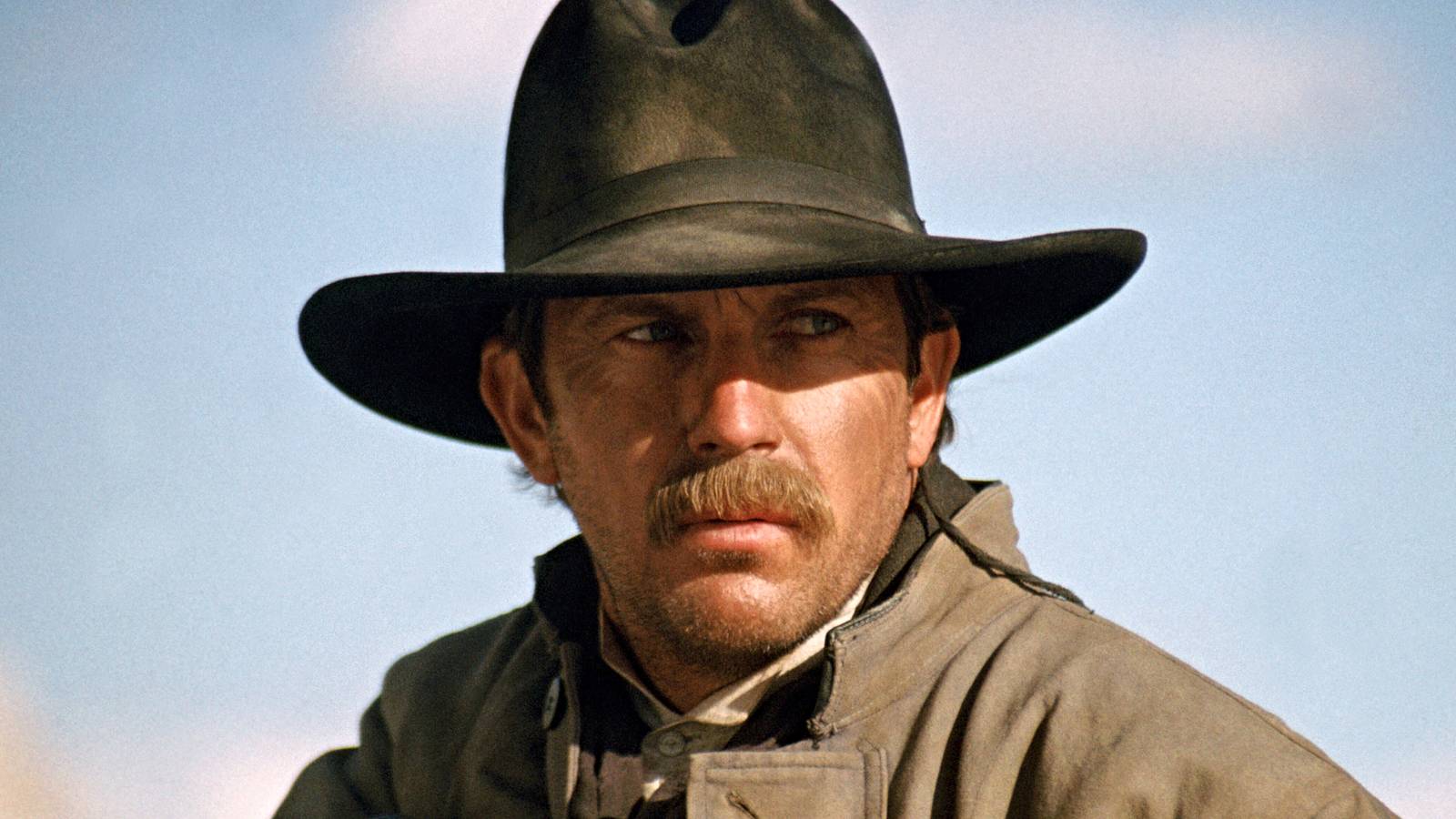
A broader Wyatt Earp story
Wyatt Earp grew out of Costner’s departure from Tombstone. The two films offer different takes on the lawman: Tombstone focuses on a particular period, while Kasdan’s film follows more of Earp’s life.
The biographical drama ranges from Earp’s youth during the Civil War to later events in his life. Its time-jumping structure may not appeal to everyone, but it gives the story room to cover his family history and personal struggles.
Personal tragedy shapes Earp
The film provides context for Earp’s conflict with the Cowboys after his brother Morgan dies. It also explores the lawman’s experiences with love and loss. Wyatt Earp depicts the sudden death of Earp’s first wife, Urilla Sutherland, and their unborn child. The tragedy helps explain why his relationship with Mattie Blaylock does not work out.
Costner’s quieter performance
Costner plays Earp differently from Kurt Russell, whose performance anchors Tombstone. His portrayal is more subdued, with a somber quality that adds mystery and a sense of tragedy while retaining period charm.
Rather than relying on flashy action or ornate dialogue, Wyatt Earp takes a meditative approach. The film aims to give viewers a more expansive historical portrait, while Tombstone leans into the Old West’s mythic appeal.
A cast beyond the leads
Dennis Quaid plays Doc Holliday, bringing charisma to a character described as complicated and mean-looking. The film covers both the friendship between Holliday and Earp in Tombstone and their first meeting. The article notes that Wyatt Earp has a stacked cast, though its discussion of other performers ends before naming them.
Key points
- Wyatt Earp arrived in 1994, months after Tombstone.
- Kasdan’s film traces more of Earp’s life and family history.
- Costner gives the lawman a quieter, more somber portrayal.
- The story includes Earp’s loss of his first wife and unborn child.