

Facing historic crisis, Gadi Eisenkot strives to form government and reaches out to Netanyahu allies
A difficult coalition path
Eisenkot began seeking partners on Sunday, asking Netanyahu’s Likud party and the far-right party led by Finance Minister Bezalel Smotrich to join a government with Eisenkot as prime minister. If he succeeds, he would replace Netanyahu, Israel’s longest-serving premier.
Eisenkot has three possible routes: a power-sharing deal with Netanyahu, backing from Arab-led parties, or an agreement with ultra-Orthodox parties. Several people in Eisenkot’s bloc oppose relying on Arab-led parties, while ultra-Orthodox parties seek military exemptions for their community.
Arab lists endorse Eisenkot
During consultations with President Isaac Herzog, Eisenkot received endorsements from both Arab-majority lists. Their gains in the vote could give them a decisive role in coalition negotiations. Netanyahu has warned against an alliance with Arab parties, describing such a deal as betrayal. On Saturday night, he called for a national unity government with Eisenkot, but whether the rivals could agree to share power remains uncertain. Such coalitions are often fragile and can collapse.
Draft policy and national crisis
Eisenkot and his partners made equal military service a central campaign issue, seeking to end longstanding draft exemptions for ultra-Orthodox people. That position could make negotiations with ultra-Orthodox parties more difficult.
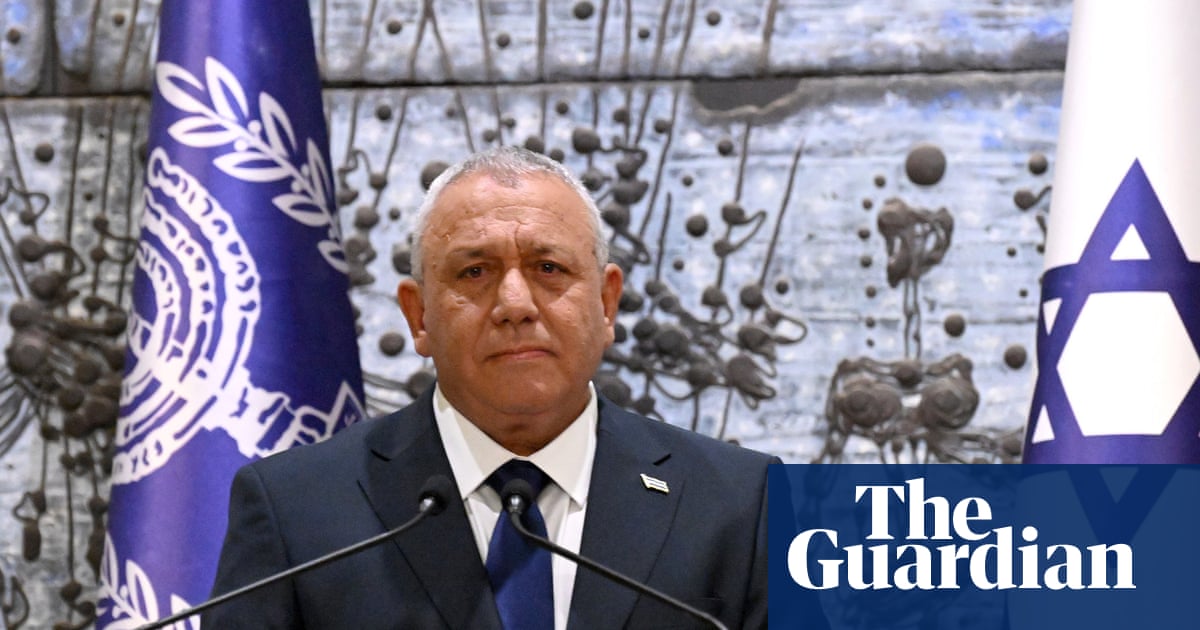
At a ceremony at the presidential office, Eisenkot said Israel was in an emergency and nearing a “point of no return,” according to Eisenkot. He blamed Netanyahu for bringing the country to a historic crisis. Eisenkot, who led the military from 2015 to 2019, has said he wants to unite Israelis after Netanyahu’s divisive tenure and Israel’s sharp shift to the right.
Foreign policy and deadline
Eisenkot opposes creating a Palestinian state and has pledged to end Hamas rule in Gaza and destroy the group’s military wing. The article also says that, in the United States, Democrats swept the midterm elections on Tuesday amid calls to rein in Israel following devastation in Gaza and an unpopular Iran war launched by Netanyahu with Donald Trump.
After receiving the mandate, Eisenkot will have 28 days to secure the 61 votes needed to form a government. If he falls short, Herzog can grant a 14-day extension before offering the mandate to someone else.
Key points
- Eisenkot appealed to Netanyahu’s Likud party and Bezalel Smotrich’s party to join a government led by him.
- Two Arab-majority lists endorsed Eisenkot, potentially giving them influence in coalition talks.
- His campaign’s push to end ultra-Orthodox draft exemptions could complicate negotiations.
- Eisenkot has 28 days to find 61 votes, with a possible 14-day extension.