

Southwest floods bring rare relief to reservoirs as Lake Powell rises more than 20 feet, but concerns persist
Storms deliver an unexpected boost
Late October and early November storms sent torrents through creeks that are usually small or dry, causing floods in local communities. Hundreds of people were told to evacuate, and some areas lost access.
Poor snowfall last winter did little to replenish water sources during spring and summer, when they usually receive their largest seasonal increase. El Niño has since intensified heavy rain and flooding, with effects expected to continue for several months.
Lake Powell gains, remains low
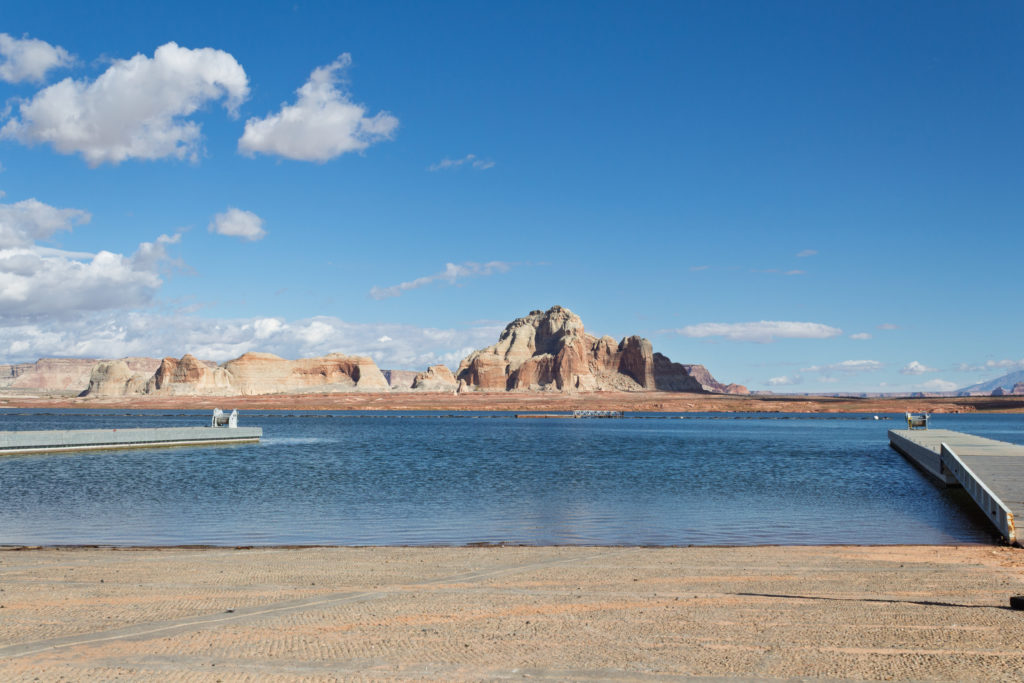
Lake Powell, the nation’s second-largest reservoir, climbed more than 20 feet (6.1 meters) from its mid-September low, far exceeding gains from this year’s snowmelt, Hoerling said. It was still just over a quarter full, and 15 of its 17 boat launches were unusable as of Friday.
More floodwater and rain could add to the reservoir, which lies along the Arizona-Utah border. Hoerling estimated the total increase could exceed 1.2 million acre-feet, an amount that could serve about 4 million average families for a year.
Communities see local water gains
Pagosa Springs, Colorado, received about 7 inches (17.78 centimeters) of rain in October. Before the storms, more than 10,000 people in the town and nearby communities faced water restrictions; those limits have since been lifted.
Town manager David Harris said restaurants had been encouraged to serve water only when requested. He described the storm as destructive but said it gave higher elevations a promising start to winter snowpack.
Upper Lake Mary, which collects spring snowmelt and supplies up to 40% of Flagstaff, Arizona’s water, has received more than 3 billion gallons since early October, said water production manager Brian Huntzinger. Recent storms also added the equivalent of more than two years of water to the town’s surface supply, creating a buffer for a system that relies heavily on aquifers.
River plans and risks persist
In central Arizona, floodwaters entered streams feeding the Verde River. Officials released water from two nearly full dams into a normally dry stretch of the river in metro Phoenix, said Bo Svoma, a meteorologist with the Salt River Project.
Under the federal Lower Basin plan, California, Nevada and Arizona will together cut water use by 1.25 million acre-feet annually over the next two years. Larger cuts may follow depending on conditions. Some Arizona cities are funding early work to expand an existing Verde River dam to capture storm runoff.
Key points
- Lake Powell rose more than 20 feet but remains just over a quarter full.
- Pagosa Springs lifted water restrictions affecting more than 10,000 people.
- Upper Lake Mary has gained more than 3 billion gallons since early October.
- Lower Basin states are set to reduce water use by 1.25 million acre-feet annually for two years.