

Mark Twain’s hungry, unlucky coyote helped shape Wile E. Coyote: 15 things you didn’t know
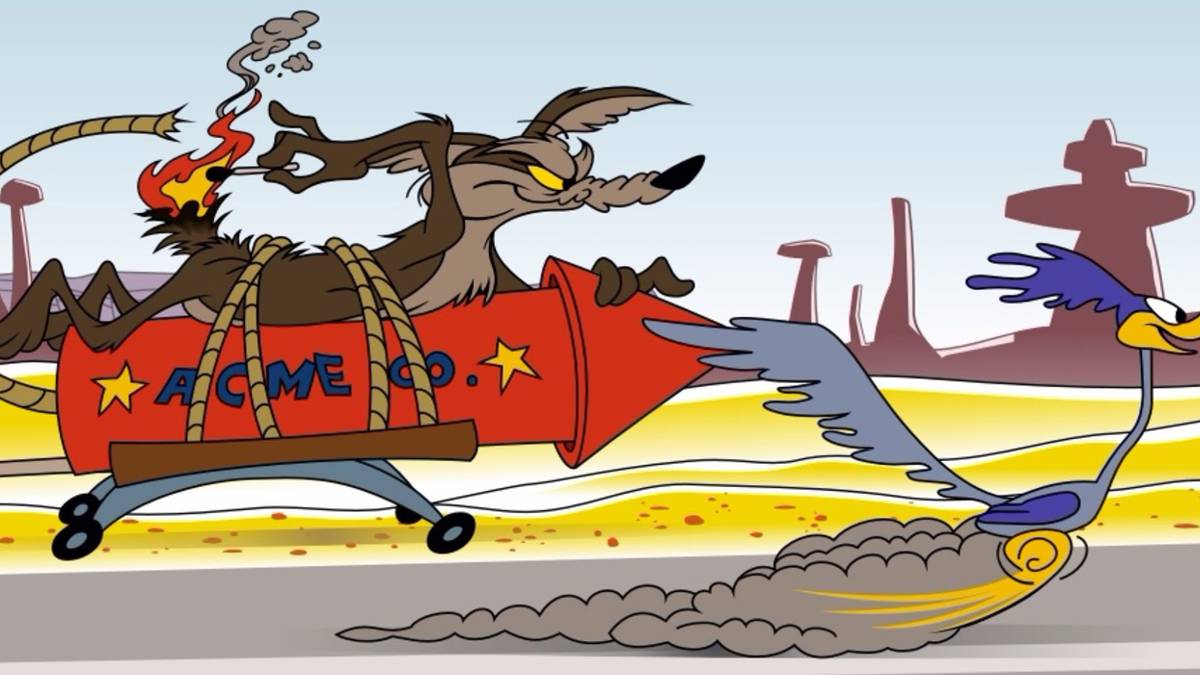
A character shaped by Twain
Chuck Jones created Wile E. Coyote and the Road Runner, who debuted together in The Fast and the Furry-ous in 1949. The characters became regulars in the Looney Tunes and Merrie Melodies catalogue.
Jones drew on Mark Twain’s 1872 book Roughing It, which portrays the coyote as hungry, poor and unlucky. Jones said he first read Twain’s description when he was seven and never forgot it.
Design details with purpose
Jones gave the Coyote a proud stance and strong face, while making his ears look somewhat broken. A small pot belly suggested hunger, and uneven features, including a raised knee and sometimes an extra toenail, added to his ragged appearance.
The tail took inspiration from Japanese paintings of stormy seas. Jones contrasted its shape with the softer, rounded curves commonly used for animal tails, saying the change made the Coyote look less cuddly.
Beyond the desert cartoons
Wile E. Coyote made a brief appearance in the 1988 film Who Framed Roger Rabbit?, alongside many other cartoon characters. The story is set in 1947, before the Coyote and Road Runner made their debut.
Accounts cited in the article differ on whether director Robert Zemeckis or producer Steven Spielberg insisted on including the pair. The Coyote also appeared on other shows, including an episode of Night Court.
Key points
- Chuck Jones created Wile E. Coyote and the Road Runner, who debuted in 1949.
- Mark Twain’s writing helped shape Jones’s view of the Coyote as hungry and unlucky.
- Japanese paintings of stormy oceans influenced the Coyote’s distinctive tail.
- The Coyote appeared in Who Framed Roger Rabbit?, though accounts differ over who pushed for his inclusion.