

Calling species invasive: why culling isn’t done lightly and matters for Australia’s threatened wildlife
A debate over language
On October 13, independent Senator David Pocock brought a motion to federal parliament seeking a long-term plan to protect Australia’s landscapes and wildlife from invasive species. Greens Senator Mehreen Faruqi objected to the term, arguing it could make animals seem responsible for human-caused problems.
The debate raises a practical question: how should people distinguish species that have been moved beyond their natural range, and when should those species be controlled? Conservation scientists say the labels help explain environmental impacts and inform decisions, including culling and biological controls.
What the labels mean
An introduced species has been moved by people beyond its known natural range, either deliberately or by accident. Native animals can also count as introduced if people move them to a new location within Australia.
Feral describes introduced domesticated animals that now live in the wild without depending on people. Invasive species are introduced species whose presence is concerning because of harmful effects on ecosystems or rapid spread. A pest damages things people value, such as crops, and can be native or non-native.
Why control can matter
Australia’s long isolation helped shape a distinctive range of native plants and animals, many found nowhere else. Native species contribute to functioning ecosystems and have economic, national and cultural significance, including for First Nations peoples.
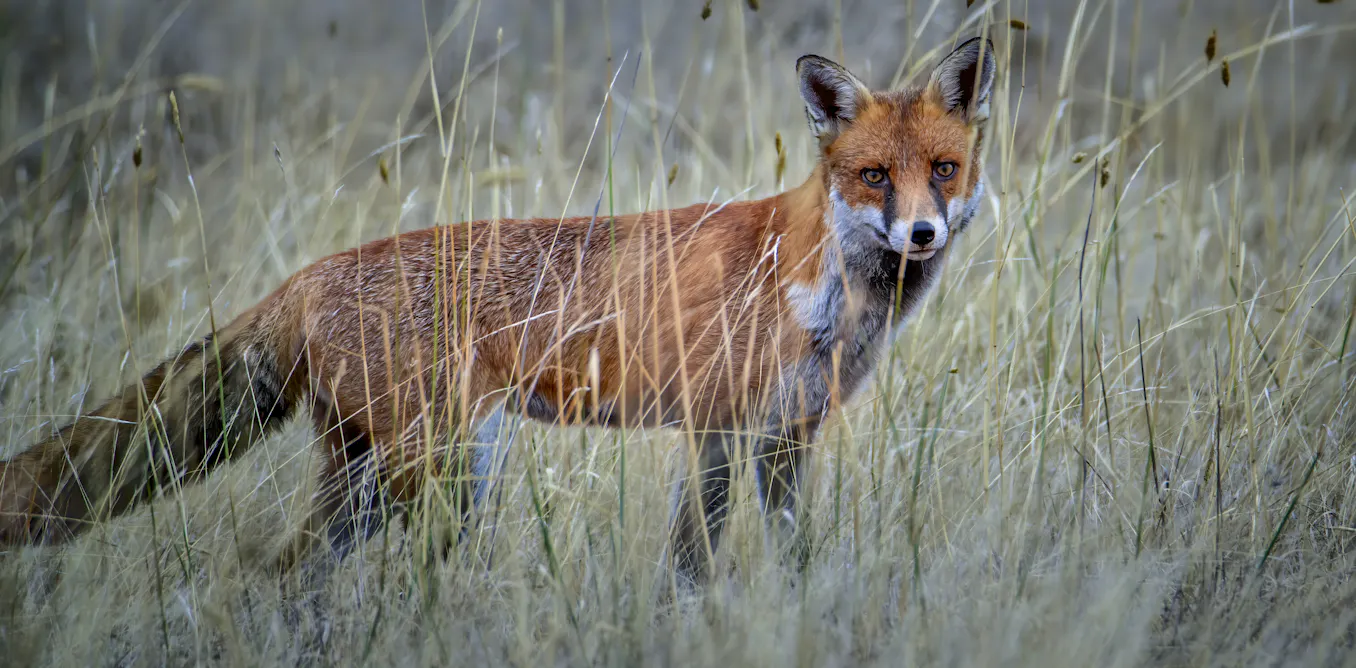
Ecologists regard introduced and invasive species as major threats to biodiversity, alongside habitat change, climate change, disease and pollution. Foxes and feral cats have been implicated in recent extinctions of many native Australian mammals. Rabbits damage native plants, affect farms and can help sustain cat and fox populations.
Balancing harm and protection
Some people are uncomfortable with killing animals to protect other species. Faruqi has also argued that protecting the environment should not involve cruelty to sentient animals, whether native or introduced.
The article notes that governments have culled introduced species for decades, while native species are now in a worse position. Conservationists aim to minimise harm and maximise animal welfare, while warning that doing nothing about some invasive species could put more native animals at risk of extinction.
Key points
- Pocock called for a long-term plan to protect Australia’s landscapes and wildlife from invasive species.
- Faruqi questioned whether the term “invasive” unfairly blames animals for human-caused problems.
- Introduced, feral, invasive and pest have distinct meanings that inform conservation decisions.
- Foxes, feral cats and rabbits pose risks to native species and ecosystems.