Calvin and Hobbes: 41 Years Later, the Comic Strip With the Right to Call Itself Peanuts’ True Heir
A child and his tiger
Calvin and Hobbes ran from November 18, 1985, to December 31, 1995. Its central character is Calvin, an imaginative six-year-old whose stuffed tiger is his best friend in a world of make-believe.
The strip has a more irreverent edge than Peanuts, but it also pairs comedy with reflection. Calvin’s flights of fancy help him face everything from schoolwork to the trials of childhood.
Two approaches to big questions
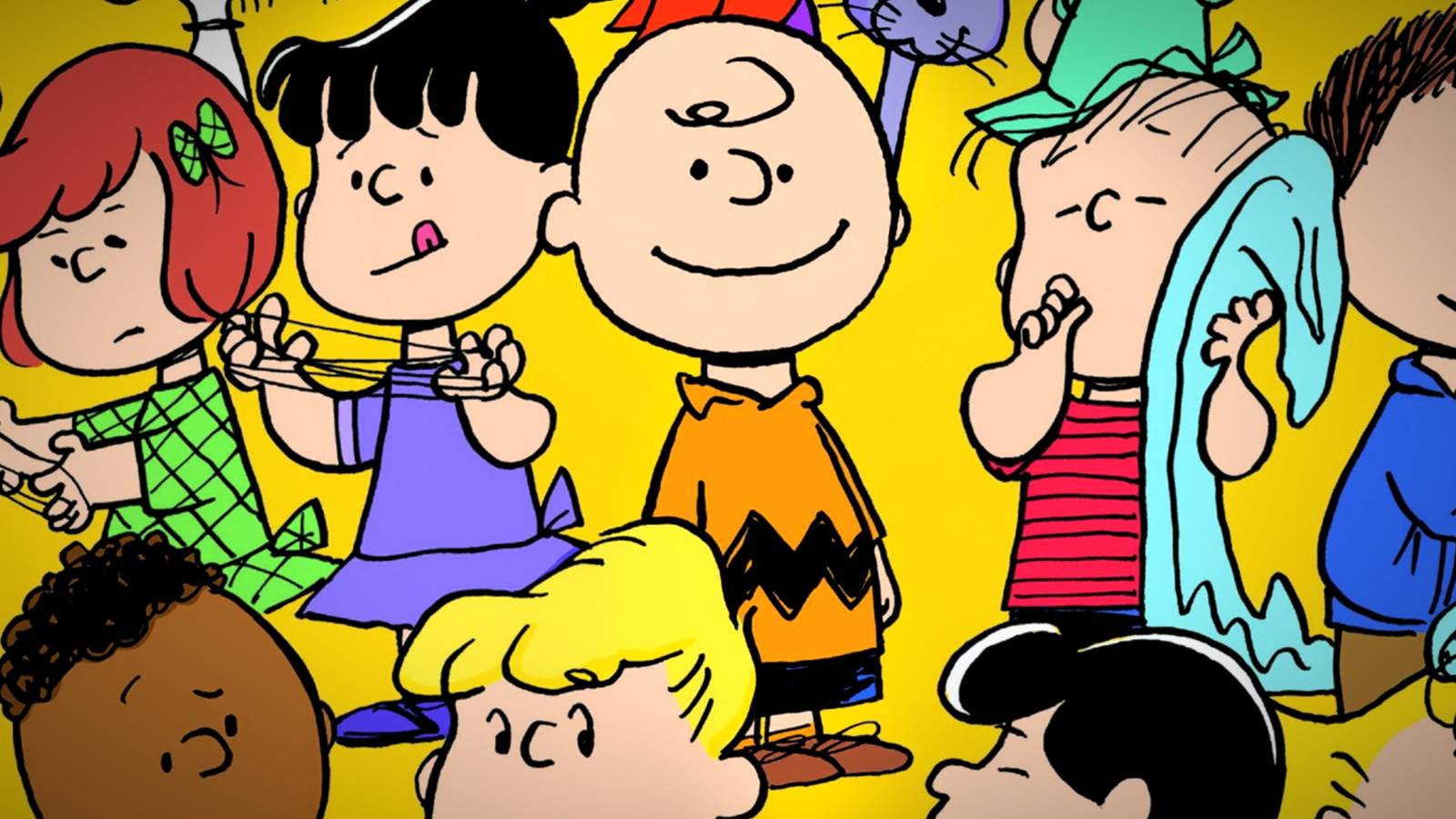
Both strips center on grade-school children and give them agency as they confront questions that matter to people of all ages. Peanuts often explores resilience in the face of setbacks; Calvin and Hobbes turns to elaborate imagined scenarios as a way to cope.
Calvin can struggle with spelling and applying himself in class, yet he also has a strong vocabulary and holds thoughtful conversations with Hobbes. In an April 9, 1988, strip, he explains why he accepts Calvinist predestination.
Childhood on its own terms
Calvin’s uncle Max worries that he spends time with Hobbes instead of making “real friends.” Calvin, however, sees Hobbes as real and as a better companion than carrying out his elaborate fantasies alone. Both strips address childhood without speaking down to young readers, while leaving older audiences room to consider harder ideas. Charlie Brown’s repeated trust in Lucy with the football and his kite-eating tree troubles echo the setbacks that Calvin handles in his own, more imaginative way.
Key points
- Calvin and Hobbes ran from November 18, 1985, to December 31, 1995.
- Calvin’s stuffed tiger, Hobbes, is his best friend and companion in imaginative adventures.
- Peanuts emphasizes resilience, while Calvin and Hobbes often uses fantasy to meet challenges.
- Both strips explore childhood in ways that can resonate with younger and older readers.