How 17th-century British scientists investigated hauntings and weighed ghostly evidence
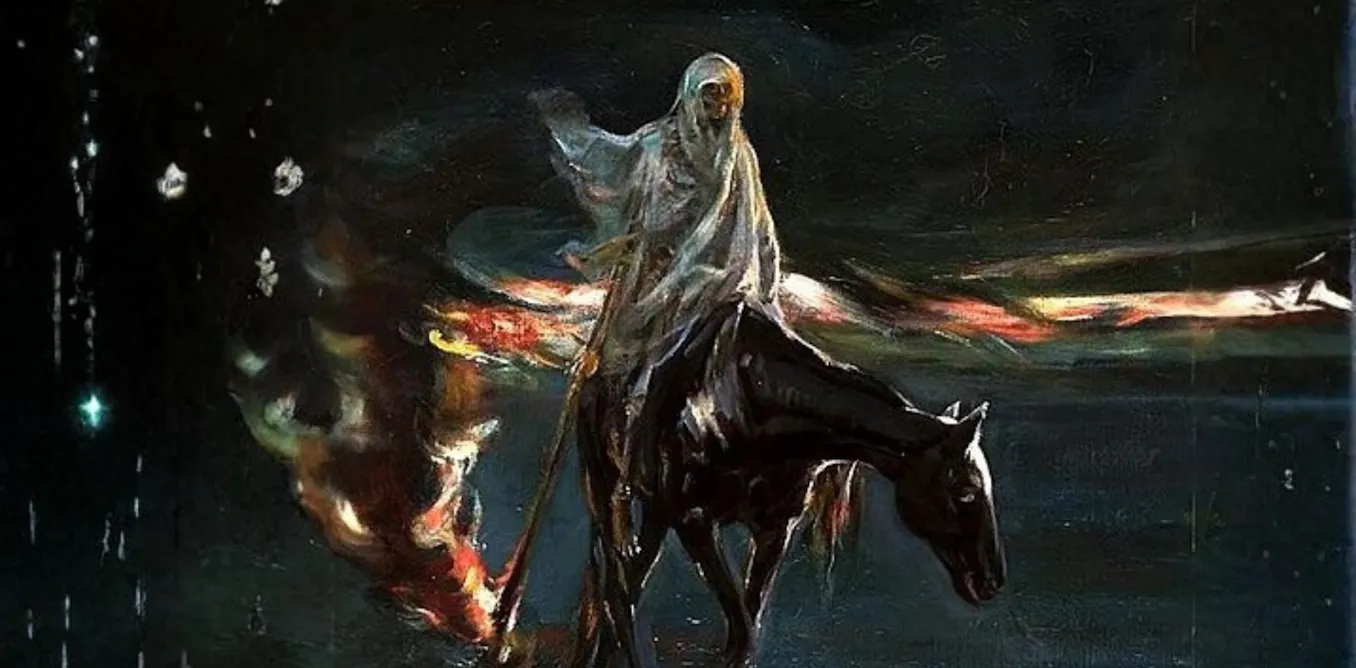
A parson’s strange encounter
John Aubrey recorded the account in his survey of Wiltshire’s natural world. He noted that Symonds was a strong man and a churchman, factors that could support his testimony, but also mentioned a French saying linking drunkenness with seeing devils.
Science and supernatural claims
The Royal Society, founded in 1660, was England’s leading scientific institution. Its fellow Joseph Glanvill investigated spirits and witches, collecting reports in his 1681 book Saducismus Triumphatus. He argued that rejecting their existence amounted to rejecting God.
Aubrey shared Glanvill’s view that supernatural claims merited serious study, though he considered him too credulous. Aubrey’s Natural History began in 1656 and became an important work; the Royal Society had a copy made for its library in 1691.
Weighing testimony and doubt
In Symonds’ case, Aubrey added that the parson’s horse trembled and sweated after they reached home and would not eat its oats the next day. He treated the animal’s reaction as supporting evidence, while leaving room for doubt about the haunting.
A ghost that was dung
Aubrey described another late-night ride, this one involving Sir Ralph Bankes’ valet on Badbury Warren in Dorset. The valet saw a dark shape grow larger as he approached and, despite his fear, rode closer to inspect it.
The shape turned out to be a heap of horse dung. Unlike Symonds’ account, this apparent haunting could be checked directly. Aubrey’s approach was to gather testimony, test claims where possible and avoid easy conclusions.
Key points
- Aubrey recorded both supernatural reports and cases that could be tested.
- Symonds said he encountered the ghost of John Estcourt, who had died about two years earlier.
- The Royal Society received a copy of Aubrey’s Natural History in 1691.
- A valet’s apparent ghost on Badbury Warren proved to be horse dung.